
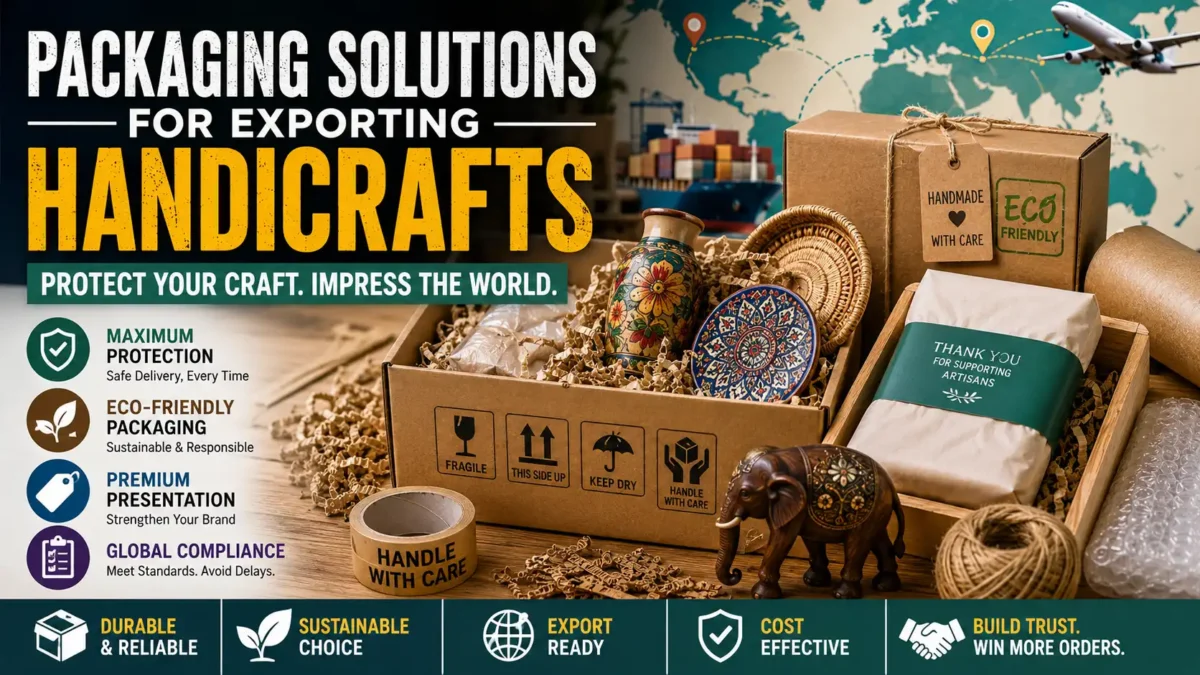
Packaging Solutions for Exporting Handicrafts

Exporting handicrafts to international markets brings new opportunities for artisans and small businesses. But success depends on more than the quality of the craft. The right packaging solutions make a big difference. Packaging protects fragile items, shows professionalism, and helps products meet global standards. For many exporters, packaging is the bridge between their creative work and a buyer’s first impression. In this article, you’ll learn how to choose, design, and use packaging that works for exporting handicrafts.
Why Packaging Matters For Handicraft Exports
Handicrafts are often delicate, unique, and sometimes irregularly shaped. This means packaging must do more than just wrap the item. It must:
- Prevent damage during shipping and handling
- Meet customs and regulatory requirements
- Reflect the brand and craftsmanship
- Support sustainability goals
Inadequate packaging causes breakage, returns, and loss of reputation. According to the International Trade Centre, up to 10% of export shipments in developing countries suffer some form of damage, mainly due to poor packaging. For handicrafts, this percentage can be even higher.
Types Of Handicrafts And Their Packaging Needs
Not all handicrafts are the same. The packaging depends on the material, shape, and fragility. Here are common types:
Textile Handicrafts
Textile items like scarves, rugs, and embroidered fabrics need protection from moisture, dust, and insects. Packaging should keep the fabric clean, pressed, and free from wrinkles.
Ceramic And Pottery
Ceramics are fragile and need strong cushioning. Packaging must absorb shocks, prevent chipping, and keep the pieces separated.
Wood And Bamboo Items
Wooden crafts can get scratched or dented. Bamboo is lightweight but can break if pressed hard. Packaging should cushion and protect edges.
Metal Crafts
Metal items may tarnish, rust, or get scratched. Anti-corrosive wraps and tight packing are essential.
Jewelry And Small Accessories
These are valuable and often delicate. Packaging must be both secure and attractive to prevent loss and appeal to buyers.
Key Factors When Choosing Packaging Solutions
Choosing the right packaging involves several factors. If you ignore any of these, your shipment may suffer.
- Protection: The packaging must protect against physical shocks, moisture, dust, and temperature changes.
- Cost: Packaging should be affordable, but never so cheap that it risks damage. Balance is important.
- Weight and Size: Lightweight packaging reduces shipping costs. Compact designs save space.
- Compliance: Many countries have strict rules for packaging, including labeling and materials.
- Branding: Good packaging shows your brand and story. It helps your product stand out.
- Sustainability: Buyers increasingly prefer eco-friendly packaging. Using recyclable materials can improve your reputation.
Common Packaging Materials For Handicraft Exports
Exporters have many choices. Each material has pros and cons.
| Material | Strength | Weight | Cost | Sustainability |
|---|---|---|---|---|
| Corrugated Cardboard | High | Light | Moderate | Recyclable |
| Bubble Wrap | Medium | Light | Low | Not eco-friendly |
| Foam Sheets | High | Medium | Moderate | Non-recyclable |
| Paper Wrap | Low | Light | Low | Biodegradable |
| Wooden Crates | Very High | Heavy | High | Reusable |
| Plastic Films | Medium | Very Light | Low | Polluting |
Corrugated cardboard is the most common for shipping. It’s strong, light, and easy to print on for branding. Bubble wrap and foam sheets provide cushioning. Paper wrap is good for textiles and eco-conscious buyers. For very fragile or heavy items, wooden crates offer the best protection.
Steps To Design Effective Packaging For Handicrafts
Designing packaging is more than picking materials. Here’s a step-by-step approach:
- Assess the Product
- Measure size, weight, and fragility.
- Identify sensitive parts (like handles, corners).
- Select Materials
- Choose materials based on protection needs and cost.
- For mixed products, combine layers (e.g., foam inside cardboard).
- Prototype
- Make a sample package.
- Test it by dropping or shaking to check strength.
- Branding and Labeling
- Add your logo, product info, and care instructions.
- Include country-of-origin labeling if required.
- Compliance Check
- Research the import rules for your destination country.
- Make sure packaging meets standards for safety and recycling.
- Bulk Packing
- Plan how multiple items will fit in larger boxes or containers.
- Use dividers or trays for separation.
- Documentation
- Attach invoices, certificates, and shipping labels.
- Some countries require special documents for handicrafts.
Special Packaging Techniques For Fragile Handicrafts
Some handicrafts need extra care. Here are proven techniques:
Double Boxing
Put the product in an inner box with cushioning, then place that box in a larger outer box with more padding. This method reduces shock.
Custom Foam Inserts
Foam inserts are shaped to the item. They hold it firmly and prevent movement. This is ideal for pottery and glass crafts.
Vacuum Packing
For textiles, vacuum packing reduces volume and keeps items sealed from moisture. It also saves shipping space.
Anti-tarnish Wraps
Metal crafts and jewelry benefit from wraps that prevent oxidation and tarnish. These wraps include special chemicals that keep metal shiny.
Desiccant Packs
Desiccant packs absorb moisture in the box. This protects items from humidity, especially in sea shipments.
Eco-friendly Packaging Solutions
Sustainability is becoming a must in global trade. Buyers in Europe, North America, and Australia often prefer eco-friendly packaging.
- Use recycled cardboard for boxes
- Replace plastic with paper-based wraps
- Choose biodegradable foam or cornstarch pellets for cushioning
- Avoid excess packaging—use only what is needed
- Encourage buyers to recycle or reuse packaging
According to a 2023 report by Statista, over 70% of consumers in Europe said they would pay more for products with sustainable packaging. Exporters who switch to eco-friendly materials can open new markets and build trust.
Labeling And Documentation: Avoiding Customs Issues
Labeling is a common mistake for new exporters. Wrong or missing labels can delay shipments or cause fines.
- Use clear product descriptions: Include material, country of origin, and care instructions.
- Add barcodes: Many countries require barcodes for tracking.
- Stick to the language requirements: For example, shipments to France must have labels in French.
- Include certificates: Some handicrafts need certificates proving they are not endangered or illegal (like wood from protected forests).
Always double-check the requirements for each country. The World Customs Organization offers guidelines for labeling and documentation.
Practical Packing Tips From Experienced Exporters
Many new exporters make avoidable mistakes. Learning from experience can save money and reduce risk.
- Test your packaging before the first shipment. Send samples and ask for feedback.
- Do not over-pack. Excess material increases costs and can annoy buyers.
- Check the climate of your shipping route. Humid areas need moisture protection.
- Use strong sealing tape. Weak tape causes boxes to open during transit.
- Work with reliable logistics partners. Good shippers handle packages with care.
Experienced exporters also advise using insurance for valuable shipments. If something goes wrong, insurance covers losses.
Comparing Packaging Solutions For Different Handicraft Types
Choosing packaging depends on the craft. Here’s a comparison of best options for three popular handicraft types:
| Handicraft Type | Best Packaging Solution | Extra Protection Needed | Branding Options |
|---|---|---|---|
| Ceramics | Double boxing with foam inserts | Desiccant packs for moisture | Printed cardboard outer box |
| Textiles | Vacuum packing in paper wrap | Moisture-proof inner layer | Custom printed bags |
| Wooden crafts | Corrugated box with corner padding | Anti-scratch film | Stickers and stamps |
Each craft has its own needs. Adapting packaging to the item prevents loss and impresses buyers.
Smart Ways To Reduce Packaging Costs Without Sacrificing Quality
Exporters often worry about cost. Cheap packaging can cause damage, but there are ways to save:
- Buy materials in bulk for discounts
- Use standardized box sizes to reduce waste
- Design packaging to fit multiple products
- Reuse clean boxes for internal shipments
- Work with local packaging suppliers to cut transport costs
A less obvious tip: custom inserts can be expensive, but group similar items in one design to share the cost. Also, lighter packaging reduces shipping fees.
Regulatory And Compliance Challenges In Packaging
Exporters must follow rules or risk delays. Each country may have different standards:
- ISPM 15: Wooden packaging must be heat-treated and stamped for international shipments.
- REACH and RoHS: Europe bans certain chemicals in packaging.
- FDA regulations: For packaging entering the US, avoid banned substances.
Mistakes here can block shipments. Research each target market and adjust packaging as needed. Government websites and trade associations offer guides.
Branding And Storytelling Through Packaging
Packaging is not just protection. It’s an opportunity to tell your story.
- Use colors and patterns that reflect your culture
- Add a brand logo and short story about the craft
- Include care instructions and a thank-you note
- Consider QR codes linking to your website or artisan profiles
A strong brand on packaging builds loyalty. Buyers remember unique packaging and may share it on social media.
How To Work With Packaging Suppliers
Choosing the right supplier is key. Here’s how to do it:
- Ask for samples before ordering
- Check supplier certifications (like ISO standards)
- Compare prices and minimum order quantities
- Request custom designs for unique crafts
- Make sure suppliers can meet deadlines
Build relationships with suppliers. Good communication solves problems quickly.
Digital Tools For Packaging Design And Tracking
Modern exporters use software and apps to improve packaging.
- Design tools: Programs like Adobe Illustrator or online design platforms help create custom branding.
- Tracking tools: Apps track shipments and monitor package condition.
- Inventory software: Helps plan bulk orders and avoid shortages.
Some exporters use smart packaging with RFID tags or sensors. These track temperature and movement, useful for fragile or valuable items.
Hidden Insights: What Beginners Often Miss
Two important points new exporters often overlook:
- Packaging for Returns: If buyers return items, weak packaging may cause damage during the return trip. Always design for two-way protection.
- Packaging for Display: Some buyers use the packaging for in-store display. Attractive, functional packaging increases shelf appeal and sales.
Thinking beyond shipping helps build a better reputation and long-term success.
Frequently Asked Questions
How Can I Protect Fragile Handicrafts During Export?
Use double boxing, foam inserts, and desiccant packs. Test your packaging by dropping and shaking to check strength. Avoid loose packing and make sure every item has enough cushion.
What Are The Most Eco-friendly Packaging Materials For Handicrafts?
Recycled cardboard, paper wraps, and biodegradable foam are best. Avoid plastic where possible. Buyers appreciate packaging they can recycle or reuse.
How Do I Meet Packaging Regulations For International Shipping?
Research the rules for each country. For wood, follow ISPM 15 standards. For chemicals, check REACH and RoHS if shipping to Europe. Use correct labels and language.
Can Packaging Affect My Export Costs?
Yes. Packaging that is too heavy or bulky increases shipping fees. Use lightweight, compact materials. Buy in bulk and design standardized sizes to save money.
Where Can I Find More Information About Packaging Standards?
Visit the World Customs Organization for global guidelines and updates on packaging standards.
Exporting handicrafts is exciting and rewarding, but packaging can make or break your success. With careful planning, smart material choices, and attention to regulations, you can protect your products and build a strong brand. Think of packaging as part of your craft—it is the first thing buyers see and the last thing they touch.