
Handicrafts Market Size, Growth, CAGR & Forecast to 2030 (Global Report)

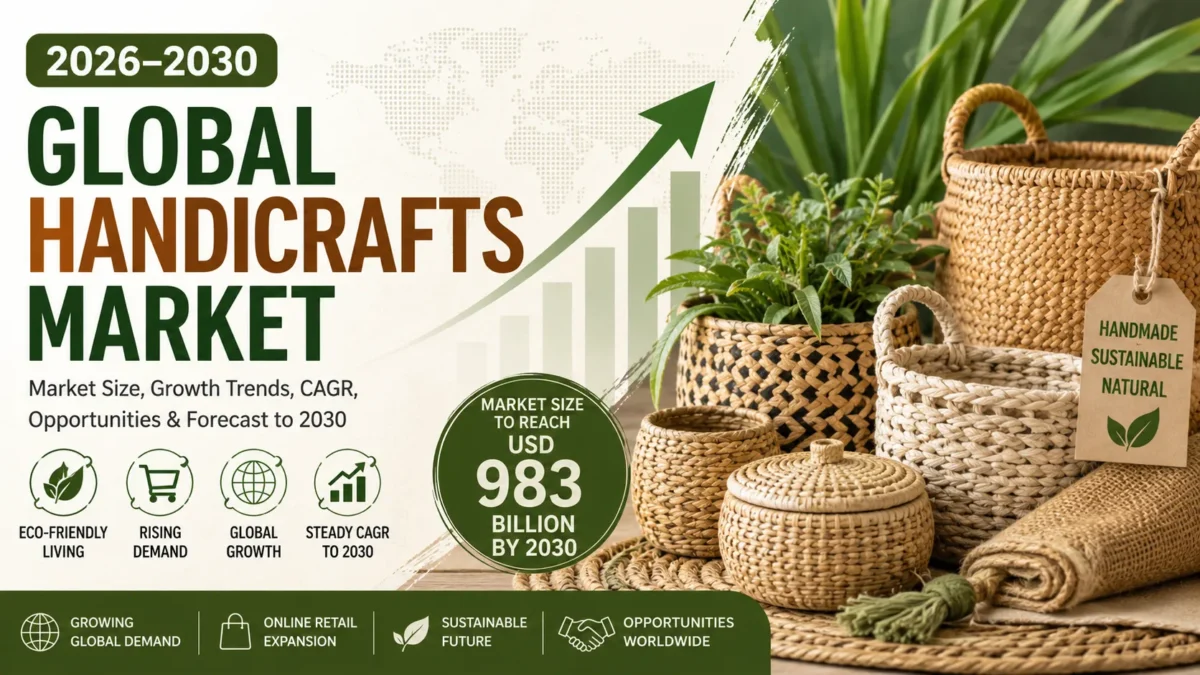
The global handicrafts market continues to grow as consumers increasingly seek authentic, eco-friendly, and handcrafted products over mass-produced alternatives. Rising awareness of sustainable living, the popularity of natural home décor, and expanding e-commerce platforms have significantly contributed to the industry’s long-term growth.
According to publicly available summaries from leading market research firms, the handicrafts market size is projected to experience steady expansion through 2030. While exact forecasts differ because research companies use different methodologies and forecast periods, most reports agree that demand for handmade products will remain strong throughout the decade.
For businesses, exporters, wholesalers, and retailers, understanding the handicrafts market size forecast 2030, expected CAGR, emerging consumer trends, and regional demand is essential for making informed sourcing and investment decisions.
Global Handicrafts Market Overview
The handicrafts industry represents one of the world’s oldest and most culturally significant industries. Today, it has evolved into a global business supported by modern retail, online marketplaces, ethical sourcing, and sustainable manufacturing.
Products manufactured under the handicrafts industry include:
- Handmade baskets
- Home décor
- Rugs
- Storage solutions
- Wall decorations
- Furniture
- Kitchen accessories
- Gift products
- Decorative accessories
- Sustainable lifestyle products
Natural materials such as:
- Seagrass
- Jute
- Bamboo
- Water Hyacinth
- Rattan
- Cane
- Palm Leaf
- Cotton
- Wood
- Clay
Global Handicrafts Market Size
One of the most frequently searched questions today is what is the globar handicrafts market size:
What is the global handicrafts market size?
According to publicly available market research summaries, the industry has already reached several hundred billion US dollars and is projected to approach the USD 1 trillion mark by 2030 in some forecasts. However, estimates vary across research firms because of differences in market scope, included product categories, and forecast methodology.
For example:
| Market Research Source | Forecast Period | Publicly Reported Outlook |
|---|---|---|
| Grand View Research | 2025–2030 | Forecasts the market to approach USD 983 billion by 2030 with steady annual growth. |
| Expert Market Research | 2025–2035 | Projects double-digit growth over a longer forecast period, indicating strong long-term expansion. |
| DataIntelo | 2026–2034 | Expects continued market growth driven by sustainability, e-commerce, and premium handmade products. |
| Credence Research | Long-term outlook | Highlights increasing global demand supported by ethical sourcing and natural-fiber products. |
Products by Category
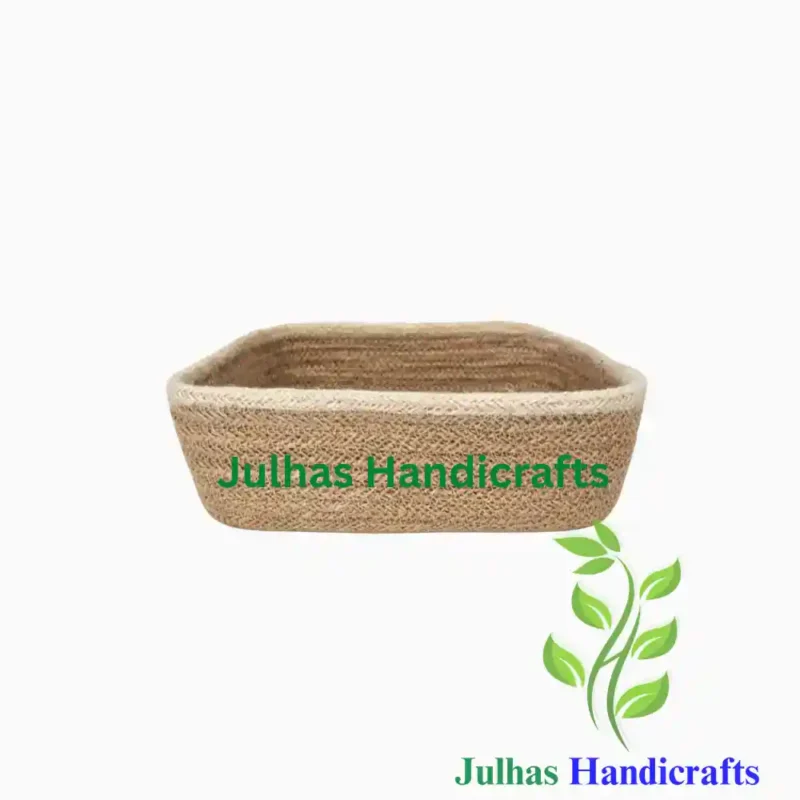
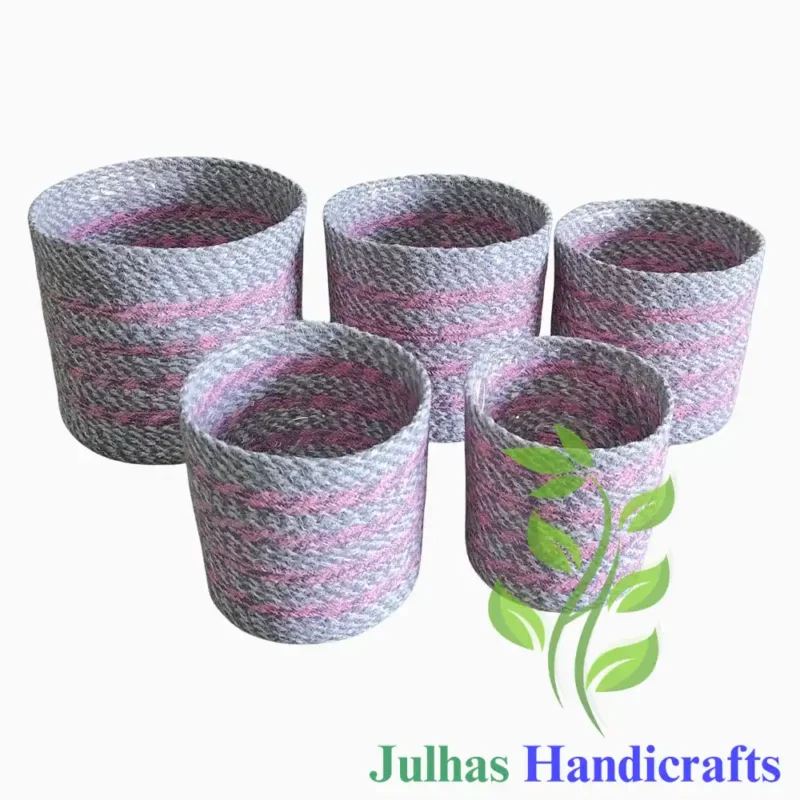
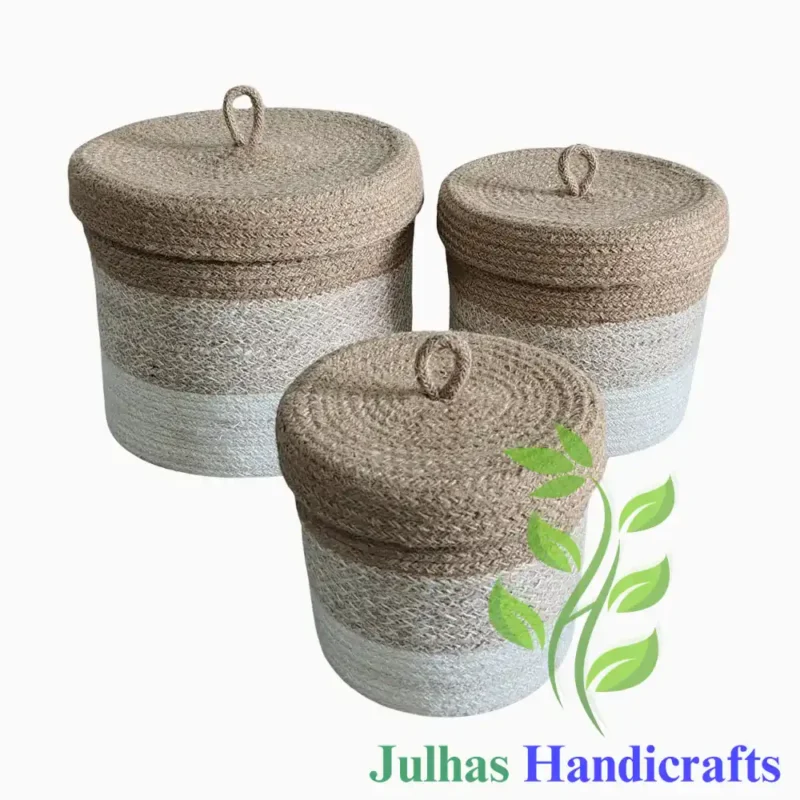
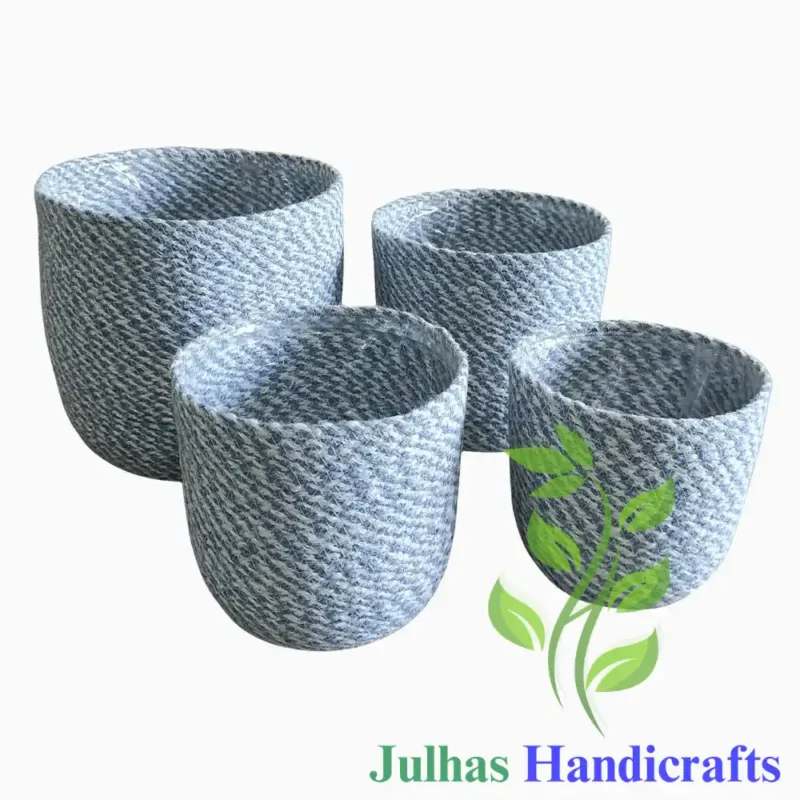
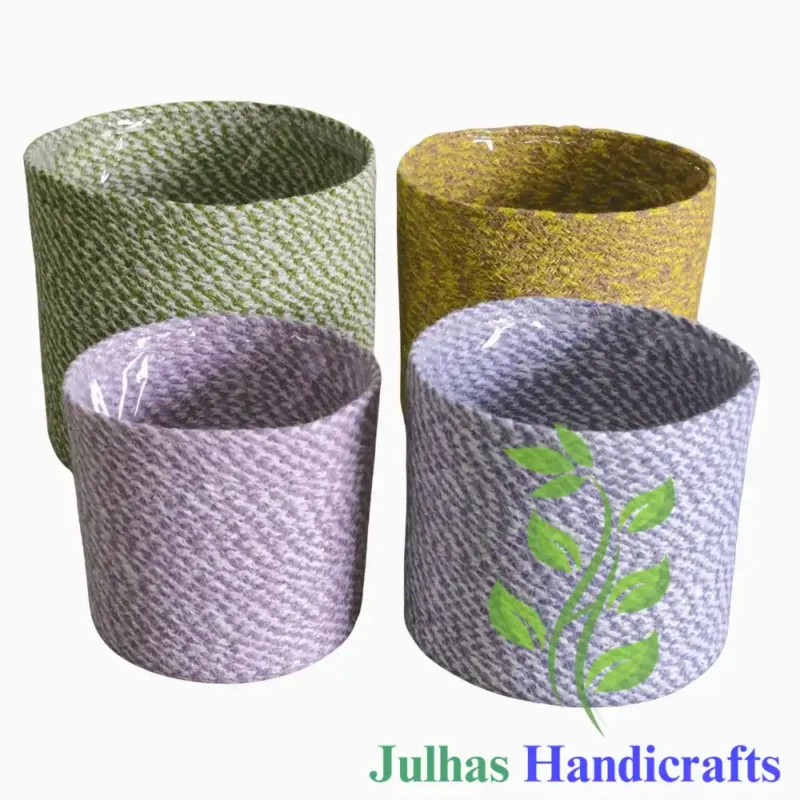
These projections indicate that the global handicrafts market size is expected to remain one of the fastest-growing sectors within home décor, gifts, and sustainable consumer products.
Handicrafts Market Size Forecast 2030
The handicrafts market size forecast 2030 global suggests continued expansion fueled by several long-term trends.
Major drivers include:
- Sustainable consumer lifestyles
- Eco-friendly home décor
- Growth of online retail
- Ethical sourcing
- Handmade luxury products
- Premium gifting
- Hospitality sector demand
- Interior design trends
- Fair trade initiatives
- Government support for artisans
Many analysts expect developing countries—including Bangladesh, India, Vietnam, Indonesia, Nepal, and several African nations—to become increasingly important suppliers as international buyers diversify their sourcing strategies.
As a result, the handicrafts market size forecast 2030 CAGR remains positive across nearly all published industry reports, although exact percentages differ depending on methodology.
Handicrafts Market CAGR Analysis
Another highly searched keyword is:
Handicrafts Market CAGR 2030 Report
CAGR (Compound Annual Growth Rate) measures the average annual growth of the market over a specific period.
Different research firms report different CAGR values because they use different:
- Forecast years
- Product categories
- Geographic coverage
- Data collection methods
- Industry definitions
Public summaries indicate:
| Research Firm | Reported CAGR |
|---|---|
| Grand View Research | Around 4.9% (2025–2030) |
| Expert Market Research | Around 11.8% (2025–2035) |
| DataIntelo | Around 5.7% (2026–2034) |
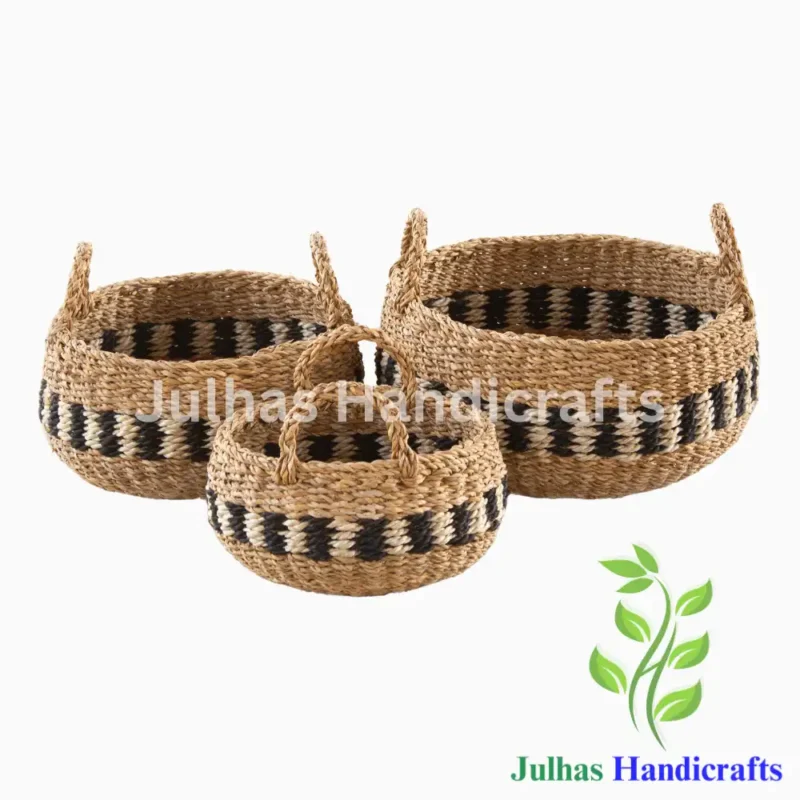
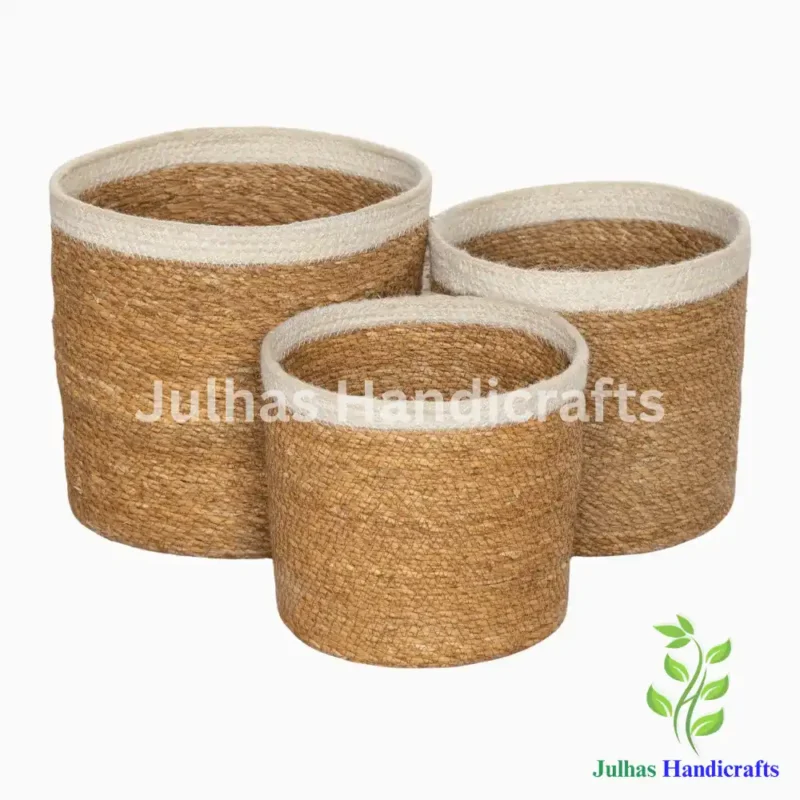
Because these studies use different forecast windows, comparing the percentages directly can be misleading. Instead, they collectively indicate a consistent expectation of long-term market expansion.
Why Is the Handicrafts Market Growing?
The global handicrafts market is growing steadily due to increasing consumer demand for sustainable, eco-friendly, and handmade products. As more people choose natural materials over mass-produced alternatives, products such as seagrass baskets, jute home décor, bamboo accessories, and handcrafted furniture continue to gain popularity. The expansion of e-commerce, rising interest in ethical sourcing, and the growing home décor industry have also made handmade products more accessible to buyers worldwide. Together, these factors are driving long-term market growth and supporting a positive outlook for the global handicrafts industry through 2030.
1. Sustainability
Consumers increasingly prefer products made from renewable and biodegradable materials.
Natural fiber baskets, jute rugs, bamboo storage products, and handmade home décor continue gaining popularity worldwide.
2. Premium Handmade Products
Buyers increasingly value:
- Authenticity
- Craftsmanship
- Limited production
- Handmade quality
- Cultural heritage
This allows handcrafted products to command higher prices than many mass-produced alternatives.
3. Online Retail Expansion
Global e-commerce platforms have enabled artisans and manufacturers to reach international buyers more easily.
Platforms such as Amazon Handmade, Etsy, Faire, and independent B2B sourcing websites have significantly expanded market access.
4. Interior Design Trends
Modern interior design increasingly favors:
- Natural textures
- Woven baskets
- Handmade décor
- Sustainable storage
- Earth-tone accessories
These trends continue supporting long-term demand across North America and Europe.
5. Corporate Sustainability Goals
Retailers and brands are increasingly sourcing environmentally responsible products to meet sustainability commitments.
Manufacturers using natural fibers, recycled materials, and ethical production practices are therefore becoming preferred suppliers.
Handicrafts Market Segmentation
Understanding the global handicrafts market size requires analyzing how the industry is segmented. Market research firms commonly classify the handicrafts market by product type, material, distribution channel, and end user. Each segment contributes differently to overall market growth and helps businesses identify the most profitable opportunities.
As demand for sustainable and handcrafted products continues to increase, several product categories are expected to outperform the overall handicrafts market CAGR through 2030.
Handicrafts Market by Product Type
The handicrafts industry includes thousands of handmade products, but a few categories dominate global trade.
| Product Category | Market Outlook |
|---|---|
| Handmade Baskets | Very High Growth |
| Home Décor | High Growth |
| Rugs & Mats | Strong Demand |
| Wall Décor | Growing |
| Kitchen & Dining Accessories | Stable Growth |
| Furniture | Premium Segment |
| Gift Items | Seasonal High Demand |
| Storage & Organization | Rapidly Growing |
Among these, handmade baskets continue to be one of the fastest-growing categories due to increasing demand for eco-friendly storage solutions.
Consumers now prefer woven baskets made from natural fibers instead of plastic alternatives, creating new opportunities for exporters.
Handicrafts Market by Material
Natural materials dominate today’s global handicrafts industry.
The most popular materials include:
- Seagrass
- Jute
- Bamboo
- Cane
- Rattan
- Water Hyacinth
- Palm Leaf
- Date Palm Fiber
- Cotton
- Wood
- Clay
- Recycled Materials
Products made from renewable materials are increasingly preferred by environmentally conscious consumers, especially in Europe and North America.
The shift toward sustainable living continues to strengthen the handicrafts market size forecast 2030 global, particularly for manufacturers using biodegradable and ethically sourced raw materials.
Handicrafts Market by Distribution Channel
Modern buyers purchase handicrafts through multiple channels.
Offline
- Importers
- Wholesalers
- Trade Fairs
- Retail Stores
- Home Décor Chains
- Department Stores
Online
- Brand Websites
- B2B Marketplaces
- Amazon Handmade
- Etsy
- Faire
- Alibaba
Online sales continue expanding rapidly as buyers increasingly prefer sourcing directly from manufacturers.
Digital marketing, social commerce, and cross-border e-commerce are expected to remain major contributors to the handicrafts market growth through 2030.
Regional Analysis of the Global Handicrafts Market
Regional demand varies considerably across the world.
While Asia remains the largest manufacturing hub, North America and Europe account for a significant share of global consumption.
North America
North America remains one of the largest import markets for handmade products.
Consumers increasingly purchase:
- Sustainable home décor
- Handmade baskets
- Artisan gifts
- Eco-friendly storage
- Natural fiber products
The United States continues to be a major destination for exporters from Bangladesh, India, Vietnam, Indonesia, and other Asian countries.
Growing interest in minimalistic and eco-conscious interiors supports long-term demand.
Europe
Europe is among the most mature markets for handicrafts.
Countries such as:
- Germany
- France
- Netherlands
- Italy
- Spain
- Sweden
- Denmark
have strong demand for handmade home accessories made from natural materials.
European buyers also place significant emphasis on:
- Ethical sourcing
- Sustainability
- Fair Trade
- Product compliance
- Social audits
- Recyclable packaging
Manufacturers that meet these requirements often enjoy stronger buyer confidence and long-term business relationships.
Asia-Pacific
Asia-Pacific is both the largest manufacturing base and one of the fastest-growing consumer markets.
Leading manufacturing countries include:
- China
- India
- Bangladesh
- Vietnam
- Indonesia
- Philippines
Rapid urbanization, rising disposable income, and government support for artisans continue driving regional growth.
Middle East & Africa
Demand is steadily increasing in the Middle East, particularly in:
- UAE
- Saudi Arabia
- Qatar
- Kuwait
The hospitality sector remains a major buyer of premium handcrafted décor.
Tourism development and luxury real estate projects are creating additional opportunities for handmade products.
Latin America
Countries such as Brazil, Mexico, and Chile continue expanding imports of decorative handmade products.
Demand is supported by:
- Boutique retailers
- Interior designers
- Lifestyle brands
- Gift retailers
Top Handicrafts Exporting Countries
Several countries dominate global handicrafts exports due to strong artisan traditions and abundant natural resources.
China
China remains one of the world’s largest exporters of decorative handicrafts and home accessories.
India
India exports a wide variety of handmade products including:
- Textiles
- Woodcraft
- Metal craft
- Home décor
- Rugs
Government export promotion programs continue strengthening India’s global position.
Vietnam
Vietnam has become a leading supplier of:
- Bamboo baskets
- Seagrass baskets
- Rattan furniture
- Home accessories
Its strong manufacturing ecosystem supports large-volume international orders.
Indonesia
Indonesia is internationally recognized for handcrafted products made from:
- Rattan
- Bamboo
- Water Hyacinth
- Wood
These products are especially popular in Europe and North America.
Bangladesh
Bangladesh is emerging as a competitive sourcing destination for eco-friendly handicrafts.
The country has gained recognition for manufacturing:
- Seagrass baskets
- Jute baskets
- Hogla baskets
- Date leaf baskets
- Water hyacinth products
- Natural fiber rugs
- Sustainable home décor
With a skilled artisan workforce, competitive production costs, and increasing compliance with international standards, Bangladesh is well-positioned to benefit from the projected handicrafts market size forecast 2030.
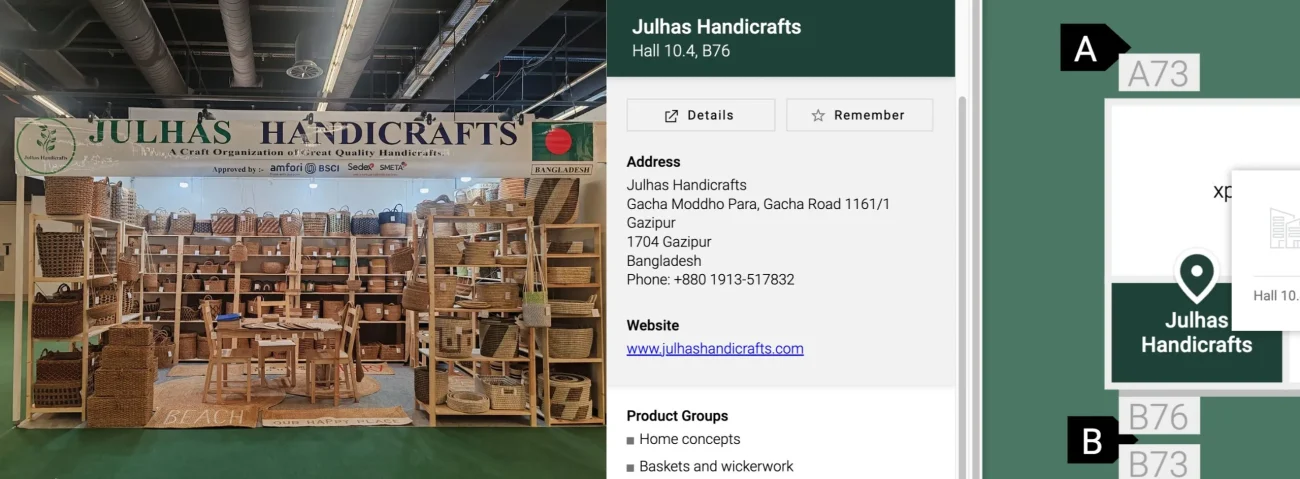
Manufacturers such as Julhas Handicrafts contribute to this growth by supplying handmade baskets, rugs, and home décor crafted from natural fibers to buyers across Europe, North America, and other international markets.
Key Opportunities for Exporters
As the global handicrafts market size continues to expand, exporters can benefit by focusing on:
- Eco-friendly product development
- Sustainable raw materials
- Premium handcrafted collections
- Private label manufacturing
- OEM and ODM services
- Low-MOQ production
- Digital B2B marketing
- Participation in international trade fairs
- Ethical and social compliance certifications
Businesses that align with evolving consumer preferences are likely to capture a larger share of the market as demand grows toward 2030.
Emerging Handicrafts Market Trends (2026–2030)
The global handicrafts industry is evolving rapidly, driven by changing consumer preferences, sustainability initiatives, and advancements in digital commerce. As demand for authentic, eco-friendly, and handcrafted products continues to rise, several key trends are expected to shape the future of the industry through 2030.
Eco-Friendly Living
One of the strongest drivers of the handicrafts market is the growing preference for sustainable lifestyles. Consumers are increasingly choosing products made from renewable and biodegradable materials instead of plastic or synthetic alternatives. Handmade products crafted from seagrass, jute, bamboo, water hyacinth, rattan, and palm leaf are becoming popular choices among environmentally conscious buyers. This trend is expected to continue supporting long-term demand for natural-fiber handicrafts worldwide.
Minimalist Interior Design
Modern interior design trends have significantly influenced the handicrafts industry. Minimalist, Scandinavian, and bohemian-inspired home décor styles emphasize clean lines, neutral colors, and natural textures. As a result, woven baskets, handmade storage solutions, decorative trays, rugs, and wall décor made from natural fibers have become increasingly popular among homeowners and interior designers alike.
Premium Handmade Products
Consumers are placing greater value on craftsmanship, authenticity, and uniqueness rather than simply looking for the lowest price. Handmade products are increasingly viewed as premium lifestyle items that reflect quality, tradition, and cultural heritage. This shift allows artisans and manufacturers to position handcrafted products as high-value offerings instead of competing solely on price.
Private Label Manufacturing
Private label manufacturing has become a growing business opportunity within the handicrafts sector. Many international retailers, wholesalers, and home décor brands now collaborate directly with manufacturers to create exclusive product collections under their own brand names. This trend creates significant opportunities for exporters capable of providing OEM (Original Equipment Manufacturing) and ODM (Original Design Manufacturing) services while maintaining consistent product quality.
Digital Product Discovery
Digital marketing has transformed the way international buyers discover handicraft suppliers. Instead of relying exclusively on trade fairs and traditional sourcing methods, buyers now research suppliers through multiple online channels, including Google Search, company websites, LinkedIn, digital product catalogs, and online B2B marketplaces. As digital sourcing continues to expand, search engine optimization (SEO), professional websites, and online brand visibility have become essential marketing tools for handicraft manufacturers seeking international buyers.
Competitive Landscape
The global handicrafts market remains highly fragmented, with competition ranging from small artisan communities to large export-oriented manufacturers. Companies compete on product quality, innovation, pricing, production capacity, and sustainability while serving buyers across various international markets.
Major competitors include small artisan groups, family-owned manufacturers, export companies, large sourcing firms, and international wholesalers. Leading handicrafts exporting countries include China, India, Vietnam, Indonesia, Bangladesh, and the Philippines.
To remain competitive, manufacturers increasingly focus on high product quality, innovative product designs, sustainable raw materials, reliable production capacity, international compliance standards, competitive pricing, and on-time delivery. Businesses that successfully combine traditional craftsmanship with modern production management, quality control, and efficient supply chain operations are generally better positioned for long-term growth in the global market.
Handicrafts Market Size Forecast to 2030
The global handicrafts market is expected to maintain steady growth through 2030, supported by increasing demand for sustainable home décor, ethical sourcing, and handcrafted lifestyle products. Although market research firms publish different market size estimates and CAGR projections due to varying methodologies and forecast periods, they consistently indicate positive long-term growth.
Publicly available forecasts suggest the market could approach USD 983 billion by 2030, while other long-term studies project even larger market values beyond 2030. These differences highlight the importance of comparing each report’s scope, assumptions, and forecast period before interpreting the data.
Overall, industry analysts expect continued demand for eco-friendly home décor, strong growth in online and cross-border sales, increasing adoption of handmade products in residential and commercial spaces, greater sourcing from developing countries, and a stronger focus on sustainable materials and ethical manufacturing. These trends reinforce the positive outlook for the global handicrafts market and support continued expansion through 2030.
Opportunities for Bangladeshi Exporters
Bangladesh is well-positioned to strengthen its presence in the global handicrafts market thanks to its rich artisan heritage, abundant natural resources, and competitive manufacturing capabilities.
The country’s key advantages include skilled artisan communities, abundant natural raw materials, competitive production costs, export-oriented manufacturing experience, and an increasing focus on sustainability and international compliance.
Products such as seagrass baskets, jute baskets, hogla baskets, date leaf baskets, water hyacinth products, and natural-fiber rugs continue to attract international buyers seeking environmentally responsible home décor solutions.
Companies like Julhas Handicrafts, which specialize in handmade baskets and home décor crafted from natural fibers, are well-positioned to meet the evolving needs of buyers across Europe, North America, the Middle East, and other international markets by offering high-quality, sustainable, and export-ready handcrafted products.
Frequently Asked Questions (FAQ)
What is the current global handicrafts market size?
The global handicrafts market is valued in the hundreds of billions of US dollars. Public summaries from multiple market research firms indicate continued growth, with some forecasts projecting the market to approach USD 983 billion by 2030. Exact estimates vary depending on the research methodology, product scope, and forecast period.
What is the expected handicrafts market size by 2030?
According to publicly available industry forecasts, the handicrafts market size forecast 2030 points to substantial growth driven by increasing consumer demand for sustainable products, handmade home décor, and ethical sourcing. Some reports estimate the market could reach nearly USD 1 trillion by 2030, while others project lower or higher figures based on different market definitions.
What is the CAGR of the handicrafts market?
The reported handicrafts market CAGR varies across market research firms:
- Around 4.9% CAGR (2025–2030) in one public forecast.
- Around 5.7% CAGR (2026–2034) in another.
- Around 11.8% CAGR (2025–2035) in a longer-term forecast.
These figures should not be compared directly because they cover different time periods and methodologies.
Why do different handicrafts market reports show different CAGR values?
Different reports use different:
- Forecast periods
- Geographic coverage
- Product categories
- Data collection methods
- Market definitions
As a result, market size and CAGR projections naturally differ between research providers.
Which products dominate the handicrafts market?
The largest product categories include:
- Handmade baskets
- Home décor
- Rugs and mats
- Wall décor
- Storage baskets
- Decorative accessories
- Furniture
- Kitchen accessories
Eco-friendly products made from natural fibers continue to gain market share.
Which materials are most popular in the handicrafts industry?
Common materials include:
- Seagrass
- Jute
- Bamboo
- Rattan
- Cane
- Water Hyacinth
- Palm Leaf
- Cotton
- Wood
- Clay
These materials are widely used because they are renewable, biodegradable, and align with growing consumer interest in sustainability.
Which regions have the highest demand for handicrafts?
Major importing regions include:
- North America
- Europe
- Asia-Pacific
- Middle East
North America and Europe are particularly strong markets for sustainable home décor and handmade storage products.
Which countries export the most handicrafts?
Leading exporting countries include:
- China
- India
- Vietnam
- Indonesia
- Bangladesh
- Philippines
These countries benefit from skilled artisan communities, abundant natural materials, and established export industries.
Why is the handicrafts market growing?
Key growth drivers include:
- Rising demand for eco-friendly products
- Expansion of online retail
- Growth in home décor spending
- Ethical consumer behavior
- Increasing preference for handmade products
- Growth in tourism and hospitality
Is Bangladesh a growing handicrafts exporter?
Yes. Bangladesh has become an increasingly competitive supplier of natural-fiber handicrafts, including seagrass baskets, jute baskets, hogla baskets, water hyacinth products, and handmade rugs. Its skilled workforce, competitive production costs, and focus on sustainable manufacturing position it well for future export growth.
Conclusion
The global handicrafts market is expected to remain on a positive growth trajectory through 2030, supported by increasing demand for sustainable products, premium handmade home décor, and ethically sourced goods. While different market research organizations report varying market sizes and CAGR values, the overall direction is consistent: consumer interest in handcrafted products continues to expand.
Manufacturers and exporters that invest in product innovation, quality, compliance, and sustainable production are likely to benefit the most from this long-term trend. Regions such as North America and Europe remain key destinations, while emerging exporters—including Bangladesh—have significant opportunities to strengthen their presence in international markets.
For businesses seeking reliable sourcing partners, manufacturers with expertise in natural fibers, skilled craftsmanship, and export-ready production capabilities are well positioned to meet evolving global demand.