





Name Some of the Materials Craft Items in Bangladesh Are Made From

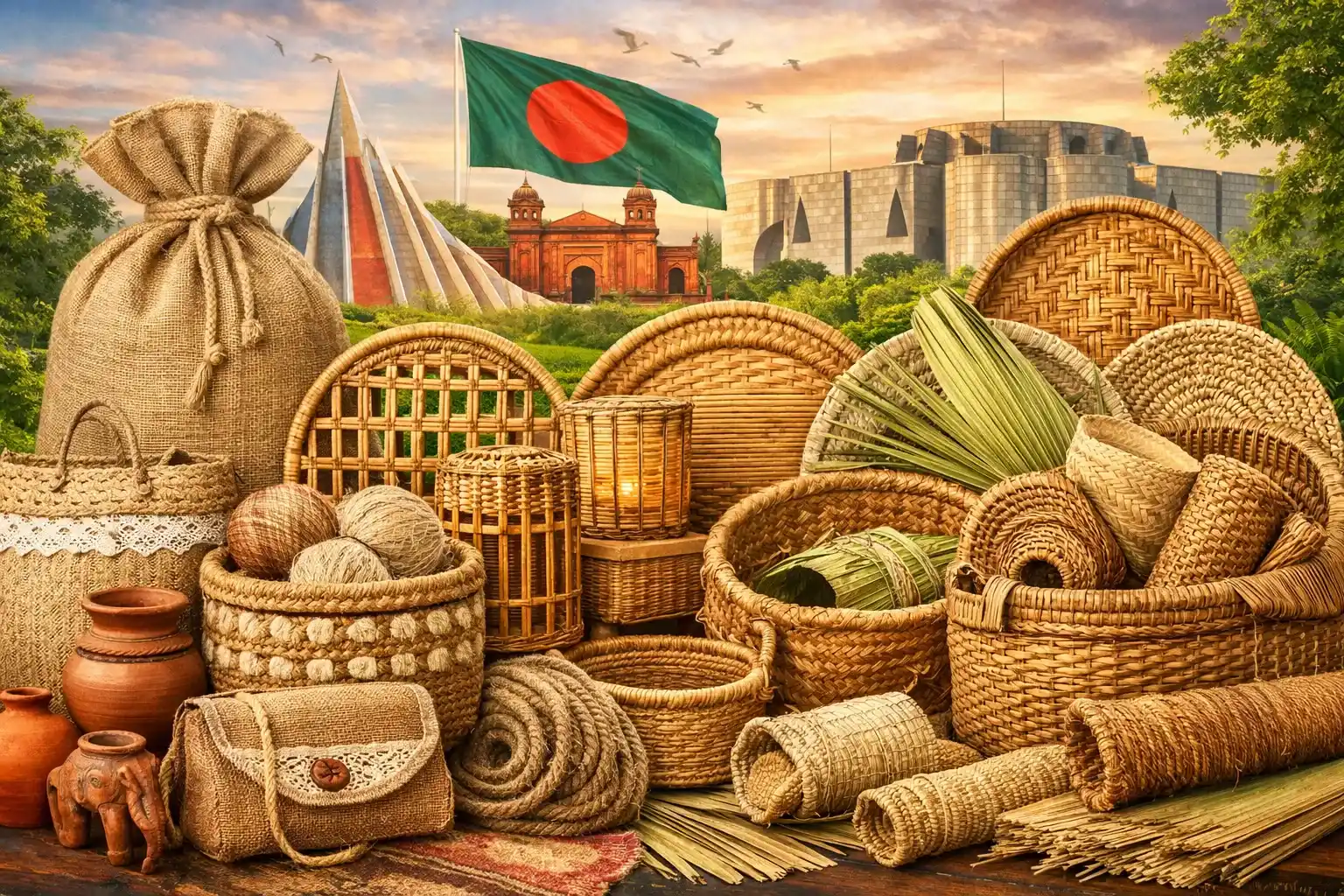
Bangladesh has a long and proud tradition of handicrafts that reflect its cultural identity, rural creativity, and centuries-old craftsmanship. Across villages and towns, skilled artisans transform natural and locally available materials into beautiful, functional, and export-quality products. The handicraft sector is not just part of the country’s heritage—it is also a major contributor to employment and international trade. Many global buyers are now showing increasing interest in eco-friendly and handmade products, and Bangladesh stands out because of its strong base in natural materials.
If you are searching for name some of the materials craft items in bangladesh are made from, the answer lies in the country’s rich natural resources. Most Bangladeshi craft products are made from biodegradable, sustainable, and locally sourced materials such as jute, bamboo, cane, clay, wood, natural fibers, fabric, and metal. Each material has its own history, characteristics, and unique contribution to the industry.
Jute – The Golden Fiber of Bangladesh
Jute is perhaps the most important raw material used in Bangladeshi handicrafts. Often referred to as the “Golden Fiber,” jute has played a central role in the country’s economy for decades. The fertile soil and favorable climate of Bangladesh make it one of the largest producers of high-quality jute in the world.
Craft items made from jute are known for their durability, strength, and eco-friendly nature. Artisans use raw jute, jute yarn, and braided jute rope to create a wide range of products, including shopping bags, tote bags, rugs, carpets, table mats, wall hangings, storage baskets, and decorative home accessories. Because jute is biodegradable and recyclable, it is highly popular in European and North American markets where sustainable products are in high demand.
Another advantage of jute is its versatility. It can be dyed in different colors, combined with cotton or leather, and woven into modern designs suitable for contemporary lifestyles. As plastic usage decreases worldwide, jute craft items from Bangladesh are becoming even more attractive to international buyers.
Bamboo – A Strong and Flexible Natural Resource
Bamboo is another widely used material in Bangladeshi handicrafts. It grows abundantly in rural areas and is valued for its strength, flexibility, and lightweight properties. For generations, rural artisans have relied on bamboo to create both decorative and functional products.
Bamboo craft items include baskets, trays, lampshades, storage containers, hand fans, and even small furniture pieces. The material is easy to shape and cut, allowing artisans to create intricate weaving patterns and designs. Because bamboo grows quickly and regenerates naturally, it is considered an environmentally sustainable material.
In recent years, bamboo crafts have gained popularity in modern interior design. Minimalist and eco-inspired home décor trends have increased demand for bamboo lighting fixtures and decorative items. This has helped expand Bangladesh’s presence in the global handicraft market.
Cane (Rattan) – Elegant and Durable
Cane, commonly known as rattan, is another important material used in Bangladeshi craft production. It is especially popular in furniture and home décor manufacturing. Cane is flexible yet strong, making it ideal for weaving into complex patterns and sturdy structures.
Artisans use cane to produce chairs, stools, baskets, swing chairs, storage units, and decorative items. Cane furniture is lightweight but durable, which makes it convenient for both indoor and outdoor use. Its natural texture and earthy appearance add warmth to interior spaces.
International buyers often prefer cane craft items because of their stylish yet traditional look. Many export-oriented handicraft businesses in Bangladesh focus heavily on cane and rattan products due to strong overseas demand.
Clay and Terracotta – Traditional Artistic Expression
Clay has been used in Bangladesh for centuries, particularly in pottery and terracotta art. The rich alluvial soil of the country provides excellent raw material for clay-based crafts. Terracotta is deeply connected to Bengali heritage and traditional art forms.
Craft items made from clay and terracotta include flower pots, decorative plates, wall tiles, sculptures, figurines, vases, and traditional pottery. These items often feature hand-carved or molded designs inspired by rural life, folklore, and historical patterns.
Terracotta crafts are especially popular in home decoration and architectural design. The natural reddish tone of terracotta adds a rustic and artistic charm to living spaces. Although clay products require careful handling, their aesthetic value and cultural significance make them highly desirable.
Wood – Classic and Timeless Craft Material
Wood is another significant material used in Bangladeshi handicrafts. Different types of local wood are used depending on the product and design. Skilled artisans carve and shape wood into decorative and functional pieces with remarkable detail.
Wooden craft items include jewelry boxes, photo frames, trays, wall art, showpieces, toys, and carved furniture. Many wooden products feature intricate floral or geometric patterns that reflect traditional craftsmanship. Some items are hand-painted or polished to enhance their appearance.
Wooden crafts are valued for their durability and timeless appeal. They suit both traditional and modern interiors, making them versatile products in the global market.
Seagrass, Hogla, and Other Natural Fibers
Bangladesh is rich in natural grasses and fibers that are used to create woven craft products. Seagrass and hogla leaves are commonly used in rural areas to produce mats, baskets, laundry hampers, storage bins, and placemats.
These materials are lightweight, biodegradable, and environmentally friendly. Artisans dry the fibers, treat them, and weave them into strong and flexible shapes. Natural fiber crafts are highly demanded in countries where eco-conscious living is becoming more common.
The simple yet elegant appearance of seagrass and hogla products makes them ideal for home organization and decoration. Their affordability also contributes to their popularity in both local and international markets.
Kans Grass – Traditional and Decorative Craft Materias
Kans grass is another important natural material used in Bangladeshi handicrafts. It is commonly found in riverbank and rural areas. Kans grass is soft yet strong when properly processed, making it suitable for weaving decorative items. Artisans use kans grass to produce eco-friendly mats, baskets, decorative wall pieces, and festival-related items. Because of its natural texture and light color, kans grass products often carry a simple yet elegant look that appeals to eco-conscious buyers.
Fabric and Embroidery – Textile-Based Crafts
Textile-based crafts form an important part of Bangladesh’s handicraft tradition. Handmade embroidery, patchwork, and stitching techniques are widely practiced across the country. One of the most famous traditional embroidery styles is Nakshi Kantha, which involves decorative stitching on fabric.
Fabric craft items include quilts, cushion covers, table runners, wall décor, sarees, scarves, and handbags. These products often combine vibrant colors with storytelling patterns inspired by rural life and cultural themes.
Textile crafts are labor-intensive and require high levels of skill and patience. Because they are handmade, each piece is unique. This uniqueness increases their value in international boutique markets.
Metal and Brass Crafts
Metal crafts, particularly those made from brass and copper, also play a role in Bangladesh’s handicraft industry. Artisans create decorative trays, candle holders, statues, traditional utensils, and ornamental items from metal.
Metal craft products often feature engraved patterns and antique finishes. They are durable and long-lasting, which adds to their appeal. While not as widely produced as jute or bamboo crafts, metal handicrafts still maintain a steady presence in export markets.
Why Natural Materials Make Bangladeshi Crafts Unique
One of the defining characteristics of Bangladeshi craft items is the use of natural and sustainable materials. Most of the raw materials are locally sourced, biodegradable, and environmentally friendly. This aligns perfectly with the global shift toward sustainable living and eco-conscious consumption.
Another key factor is affordability. Because the materials are readily available in Bangladesh, production costs remain competitive. This allows exporters to offer high-quality handmade products at attractive prices in the international market.
Additionally, traditional skills are passed down from generation to generation. The combination of natural materials and human craftsmanship results in products that carry both cultural and artistic value.
Final Thoughts
These materials define the identity of Bangladesh’s handicraft industry. They are natural, sustainable, durable, and deeply connected to the country’s culture and rural economy. As global demand for handmade and eco-friendly products continues to grow, Bangladesh remains well-positioned as a leading producer of craft items made from natural materials.