
Natural Materials Used in Bangladeshi Handicrafts

Bangladesh is famous for its beautiful handicrafts. These crafts show the skill and culture of the people. Many of these crafts use natural materials. These materials come from plants, animals, and the earth. They are important for many reasons. This article will talk about the natural materials used in Bangladeshi handicrafts and why they matter.
What Are Handicrafts?
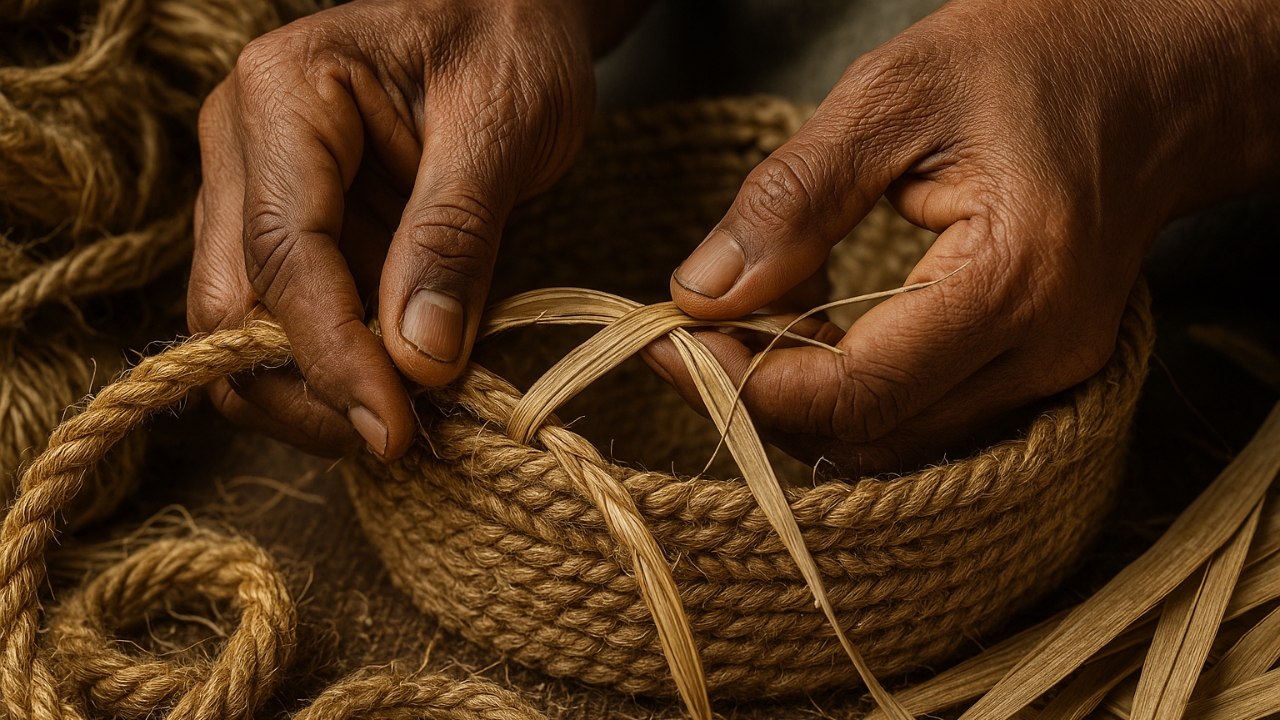
Handicrafts are things made by hand. They are often made using simple tools. Handicrafts can be decorations, clothes, bags, or home items. In Bangladesh, handicrafts are part of tradition. They tell stories of old times and show local art.
Why Use Natural Materials?
Natural materials are better for the earth because they are eco-friendly and sustainable. Unlike synthetic materials, they break down naturally over time and do not create harmful pollution. This helps keep the environment clean and reduces waste that can damage soil, water, and wildlife.
Using natural materials also supports local farmers and workers who grow, collect, and prepare these resources. Many people in rural areas depend on natural materials such as jute, seagrass, and bamboo for their livelihood. By choosing products made from natural materials, consumers help strengthen local communities and traditional industries.
In addition, natural materials are safe, durable, and comfortable to use. They connect people to nature and promote a healthier way of living. Overall, using natural materials benefits both the environment and the people who rely on these resources, making them an excellent choice for sustainable and responsible craftsmanship.
Products by Category
Common Natural Materials in Bangladeshi Handicrafts
Many natural materials are used in Bangladesh for making crafts. Here are some popular ones:
1. Jute
Jute is called the “golden fiber” of Bangladesh. It is a soft plant fiber. Jute grows well in the river areas of Bangladesh. It is strong and lasts long. People use jute to make bags, rugs, mats, and baskets. Jute products are light and easy to carry. They are also very good for the environment because jute plants absorb carbon dioxide.
2. Seagrass
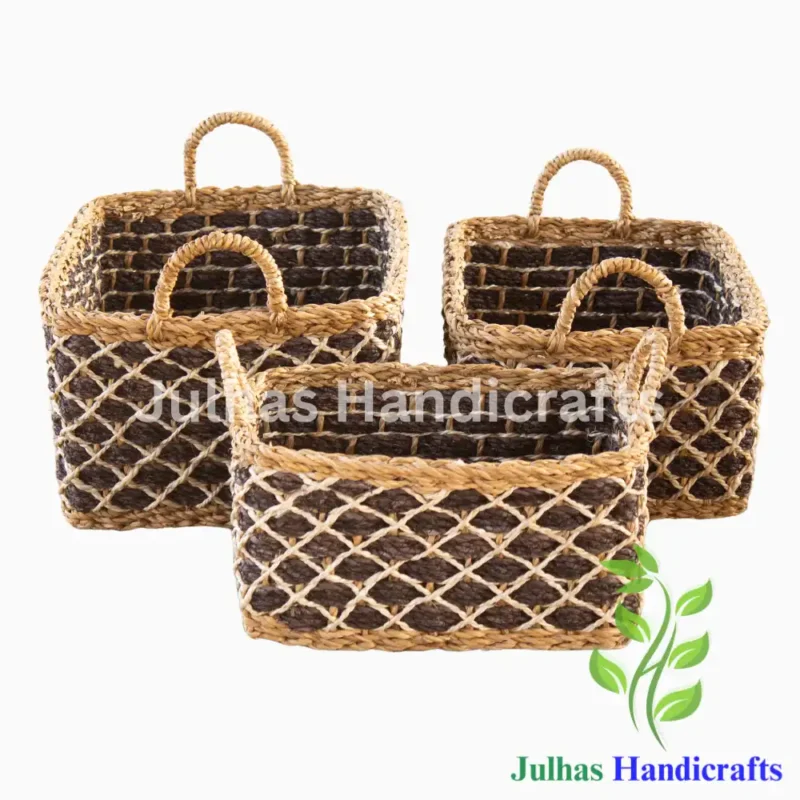
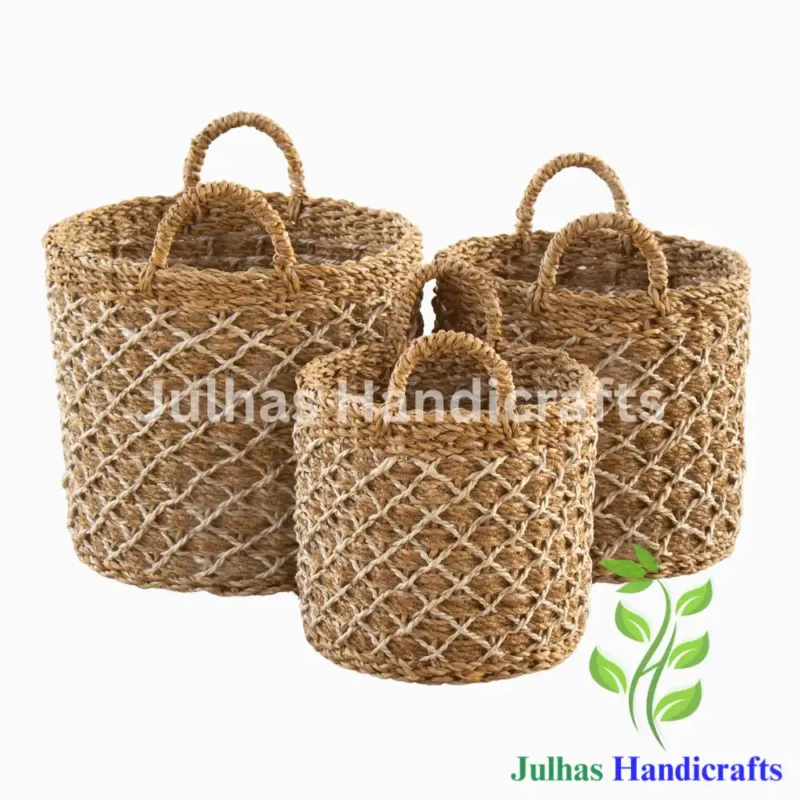
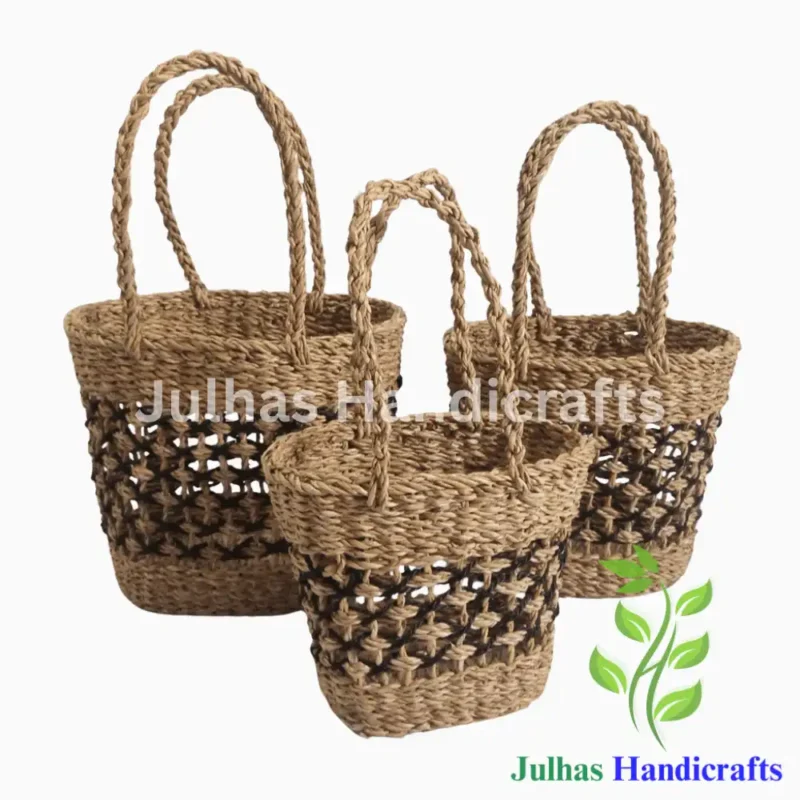
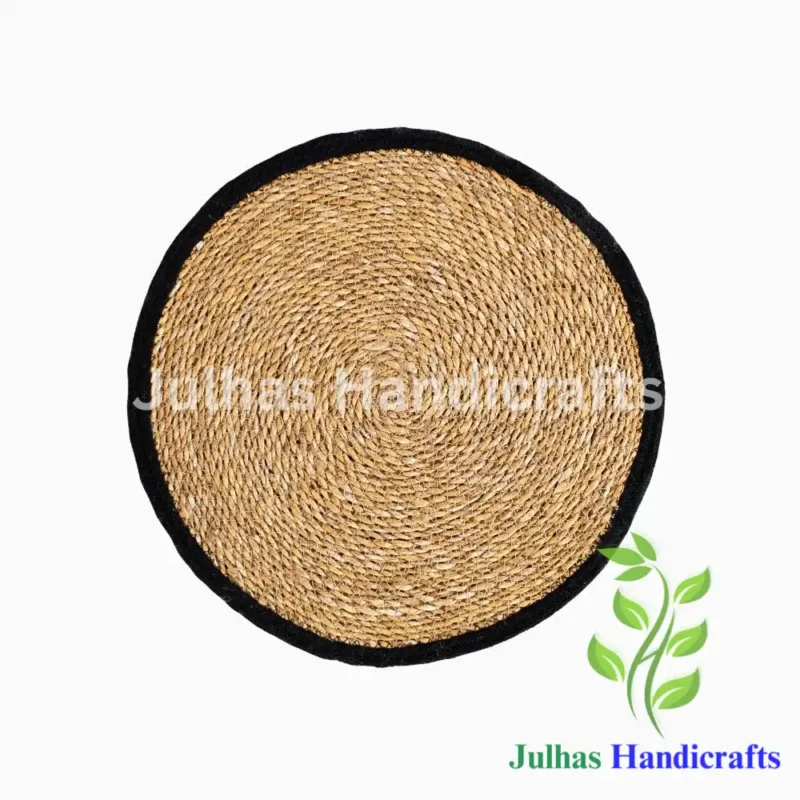
Seagrass is a natural material collected mainly from coastal areas. After drying, it is woven by hand to create strong and attractive products. Seagrass is commonly used to make baskets, storage boxes, mats, rugs, and decorative items. It is lightweight, durable, and gives a natural, elegant look. Seagrass handicrafts are popular in both local and international markets because they are eco-friendly and stylish.
3. Kans Grass
Kans grass is a wild grass that grows near rivers and open fields in Bangladesh. It has been used for traditional crafts for many years. Kans grass is strong yet flexible, making it suitable for weaving mats, baskets, and household items. Products made from kans grass are natural, affordable, and biodegradable, making them environmentally safe.
4. Date Leaf
Date leaf comes from date palm trees and is widely used in rural handicrafts. The leaves are dried and woven into different useful items. Date leaf is commonly used to make mats, hand fans, baskets, and traditional household products. These items are lightweight, durable, and reflect rural craftsmanship and cultural heritage.
5. Palm Fiber
Palm fiber is taken from palm trees and is known for its strength. It is often used to make ropes, baskets, mats, and various utility items. Palm fiber handicrafts are long-lasting and suitable for daily use. Because it is a natural material, it is biodegradable and environmentally friendly.
6. Cotton
Cotton is one of the most important natural fibers used in Bangladeshi handicrafts. It is soft, breathable, and comfortable. Cotton is mainly used to make handwoven fabrics, traditional clothing, embroidery, nakshi kantha, and decorative textiles. Cotton handicrafts reflect fine craftsmanship and are widely loved for their comfort and beauty.
7. Water Hyacinth
Water hyacinth is an aquatic plant that grows abundantly in rivers and wetlands. Instead of being wasted, it is dried and turned into useful handicraft materials. Water hyacinth is used to make baskets, bags, furniture, and home décor items. It is strong, flexible, and eco-friendly. Using water hyacinth also helps control its overgrowth in water bodies.
8. Bamboo
Bamboo is a fast-growing plant. It is very strong and flexible. Bamboo is used to make furniture, baskets, and even houses. Bangladeshi artisans make beautiful bamboo crafts. Bamboo is light and can be shaped in many ways. It is also easy to grow and renew. Using bamboo helps reduce the cutting of trees.
9. Cane
Cane comes from the rattan plant. It is thin and strong. Cane is used to make furniture and baskets. Cane crafts are light and look natural. They add a nice touch to any home. Cane grows well in the forests of Bangladesh. It is also easy to work with by hand.
10. Clay
Clay is soft earth that can be shaped when wet. It becomes hard when baked. Clay is used to make pots, toys, and decorations. Bangladeshi potters have used clay for hundreds of years. Clay products help in daily life and also show art. Clay is natural and safe for the environment.
11. Coir
Coir is the fiber from coconut shells. It is rough and strong. Coir is used to make mats, brushes, and ropes. Coconut trees grow well in some parts of Bangladesh. Coir products are natural and last a long time. They are also water-resistant, making them useful at home.
12. Silk
Silk is a soft, shiny fiber made by silkworms. Bangladesh has a long history of silk weaving. Silk is used to make beautiful clothes and scarves. It feels smooth and looks bright. Silk is natural and comes from insects, not chemicals. Silk crafts support local farmers and weavers.
13. Shells And Fish Bones
Some crafts use shells and fish bones. These come from the rivers and seas around Bangladesh. Artisans use them to make jewelry and decorations. These materials are natural and show the connection between people and nature. Using shells and bones helps reduce waste.
Summary Table: Natural Materials in Bangladeshi Handicrafts
| Material | Source | Common Uses | Why It Matters |
|---|---|---|---|
| Jute | Plant fiber from jute plants | Bags, rugs, mats, baskets | Strong, eco-friendly, supports farmers |
| Seagrass | River Bank | Basket, placemats, bags, pouf. | Strong, eco-friendly. |
| Bamboo | Fast-growing plant | Furniture, baskets, houses | Renewable, flexible, reduces tree cutting |
| Cane | Rattan plant | Furniture, baskets | Light, natural look, easy to work |
| Clay | Soft earth | Pots, toys, decorations | Natural, safe, traditional |
| Coir | Coconut shell fiber | Mats, brushes, ropes | Strong, water-resistant, eco-friendly |
| Silk | Silkworm fiber | Clothes, scarves | Soft, natural, supports artisans |
| Shells and Fish Bones | River and sea | Jewelry, decorations | Natural, reduces waste, cultural value |
Why These Materials Matter
Natural materials are important for many reasons:
- Eco-Friendly: They do not harm the earth when made or thrown away.
- Renewable: They come from plants or animals that can grow back.
- Support Local People: Farmers, gatherers, and artisans earn money from these materials.
- Keep Traditions Alive: Using natural materials keeps old skills alive.
- Unique and Beautiful: Every piece made with natural materials is special.
How Natural Materials Help the Environment
Plastic and synthetic materials cause serious harm to the environment. They take hundreds of years to break down and often pollute land, rivers, and oceans. In contrast, natural materials such as jute, seagrass, bamboo, and cotton decompose much faster. This reduces waste and helps keep the environment clean and healthy.
Using natural materials also means fewer harmful chemicals are involved in production. Synthetic materials often require heavy chemical processing, which can damage soil, water sources, and air quality. Natural materials are usually processed in simple, traditional ways, making them safer for both people and nature. By choosing products made from natural materials, we help protect ecosystems, reduce pollution, and support a more sustainable future.
Natural Materials and Culture
Bangladeshi handicrafts are not just products; they are stories woven from culture, tradition, and history. Natural materials add deep meaning to these stories because they are closely connected to the land and the people. Each material carries cultural significance and reflects the lifestyle of different regions.
For example, jute is more than just a fiber—it is a symbol of Bangladesh’s heritage and resilience. Cotton and silk represent the rich weaving traditions passed down through generations. Materials like bamboo, cane, and grass reflect rural life and creativity. By using natural materials, artisans create a strong link between the past and the present, preserving cultural identity while adapting to modern needs.
Challenges in Using Natural Materials
There are some problems too:
- Natural materials can be harder to find sometimes.
- They need care and skill to work with.
- Natural products may cost more than plastic ones.
- Some people want quick, cheap products.
But many people still choose natural materials. They want to protect the earth and support local traditions.
Conclusion
Natural materials are a big part of Bangladeshi handicrafts. Jute, bamboo, cane, clay, coir, silk, and shells are some examples. These materials are good for the earth. They help local workers and keep old arts alive. Natural materials make crafts unique and meaningful. Choosing natural materials helps protect our world. It also keeps Bangladesh’s culture alive and strong.