
The Beauty of Bangladesh Handicrafts.

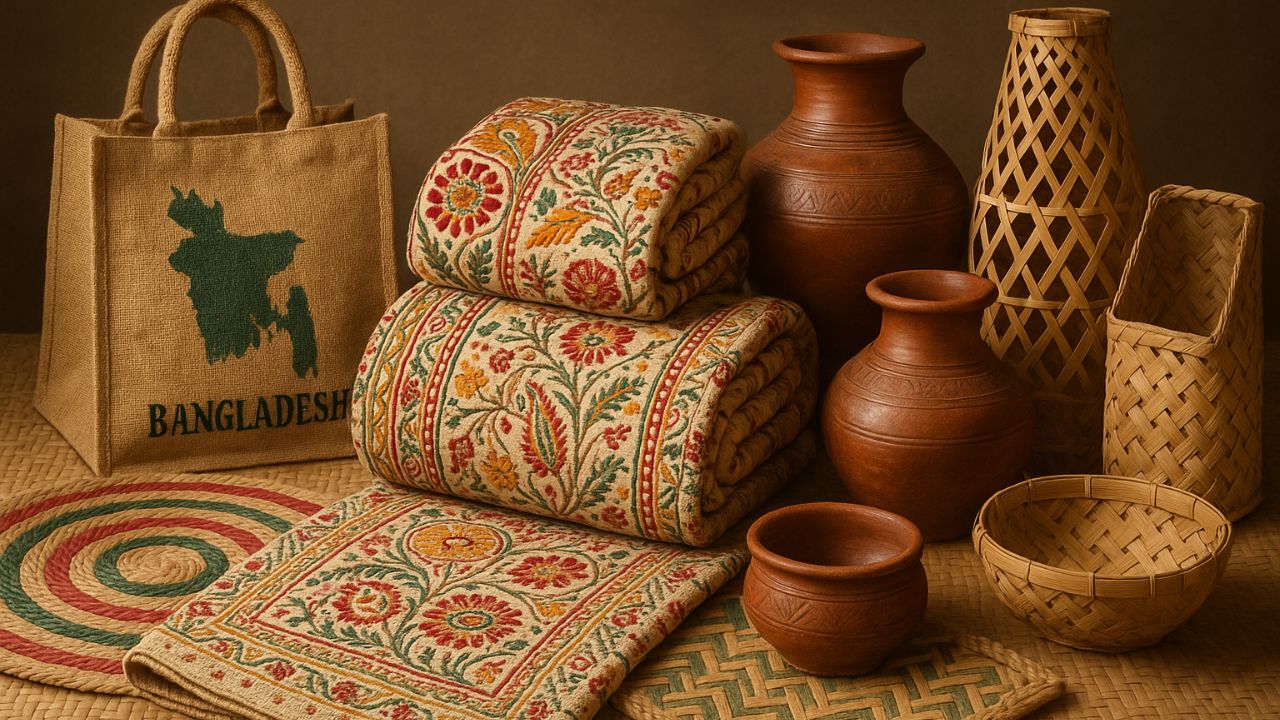
Bangladesh is a land full of colors and culture. One of its most special treasures is its handicrafts. These are handmade products made by skilled people. They show the culture and history of Bangladesh. Handicrafts are not just items; they tell stories and keep traditions alive.
What Are Handicrafts?
Handicrafts are things made by hand, not by machines. People use simple tools and their skills to create them. These crafts often use natural materials. In Bangladesh, many handicrafts come from seagrass, jute, kans grass, date leaf wood, and fabric.
Why Are Bangladeshi Handicrafts Special?
Bangladesh has a rich and long-standing tradition of handicraft making. These handicrafts are known for their unique designs, vibrant patterns, and cultural depth. Each item reflects the creativity, patience, and skill of the artisan who made it.
Most Bangladeshi handicrafts are created using traditional techniques that have been passed down from generation to generation. This connection between past and present makes every piece special and meaningful, as it carries the heritage and craftsmanship of the country’s people.
Examples Of Popular Bangladeshi Handicrafts
- Jamdani Textiles: Fine handwoven cotton and silk fabrics.
- Nakshi Kantha: Embroidered quilts made with colorful threads.
- Pottery: Clay pots and vases shaped by hand.
- Wood Carving: Beautiful wooden furniture and decorations.
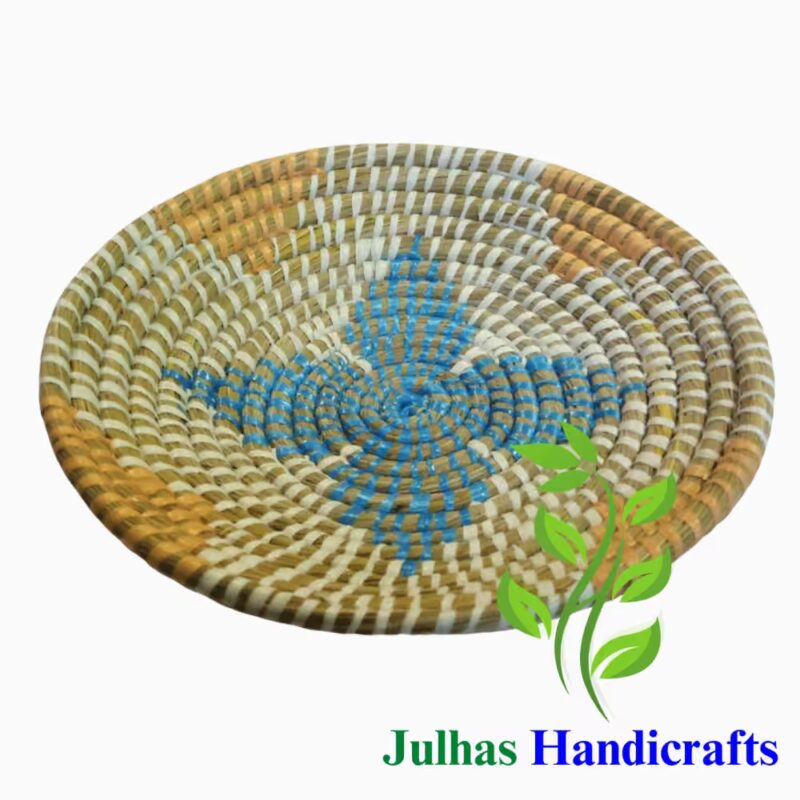
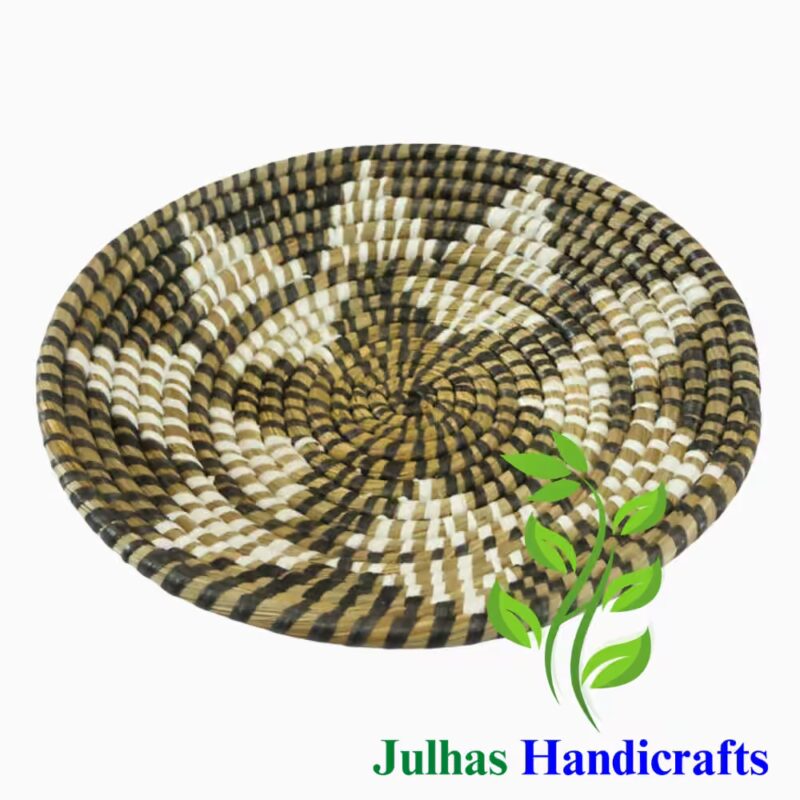
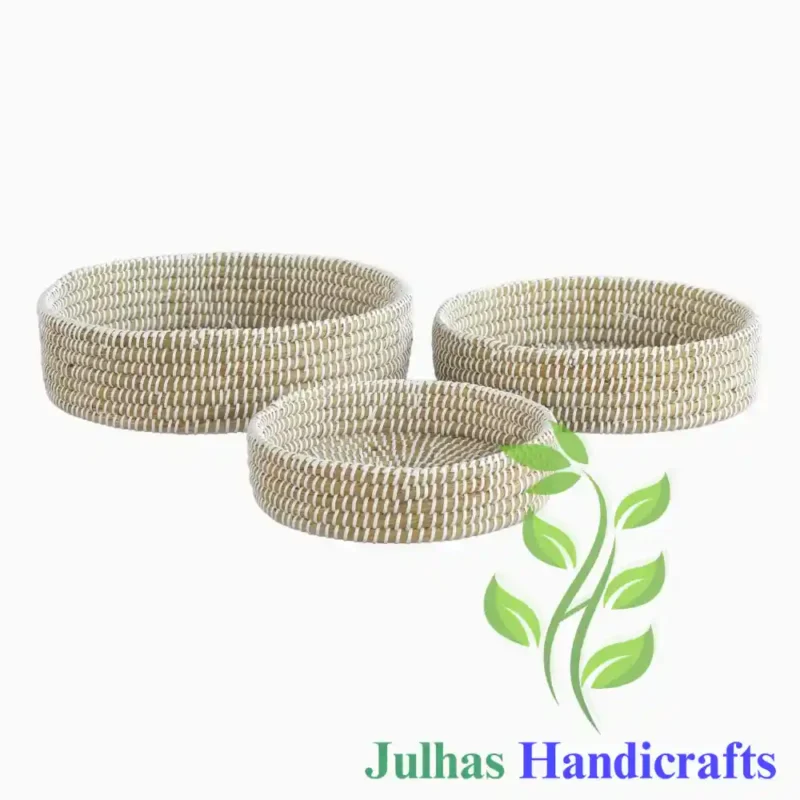
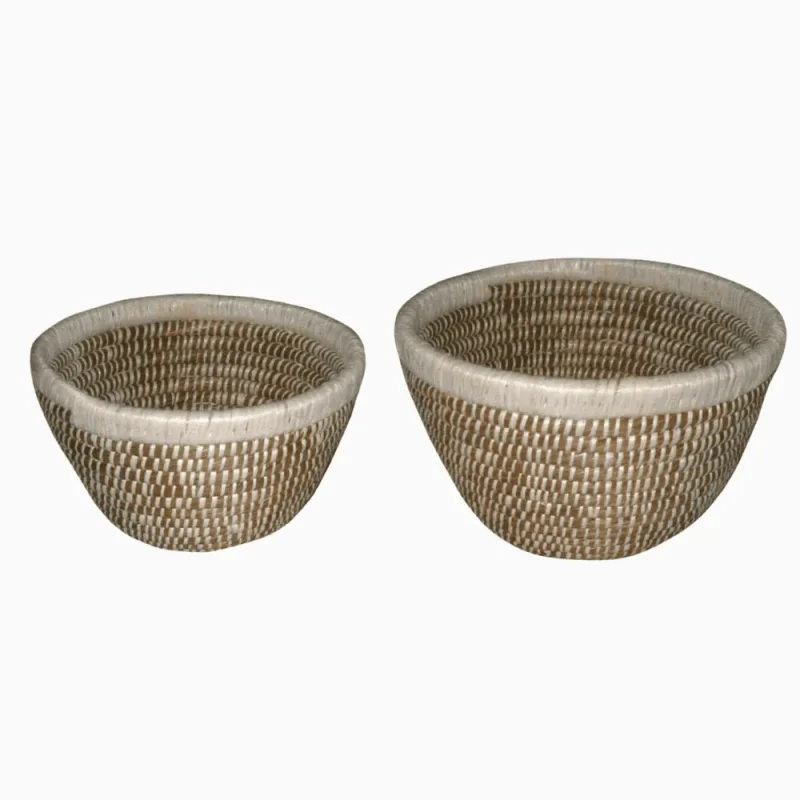
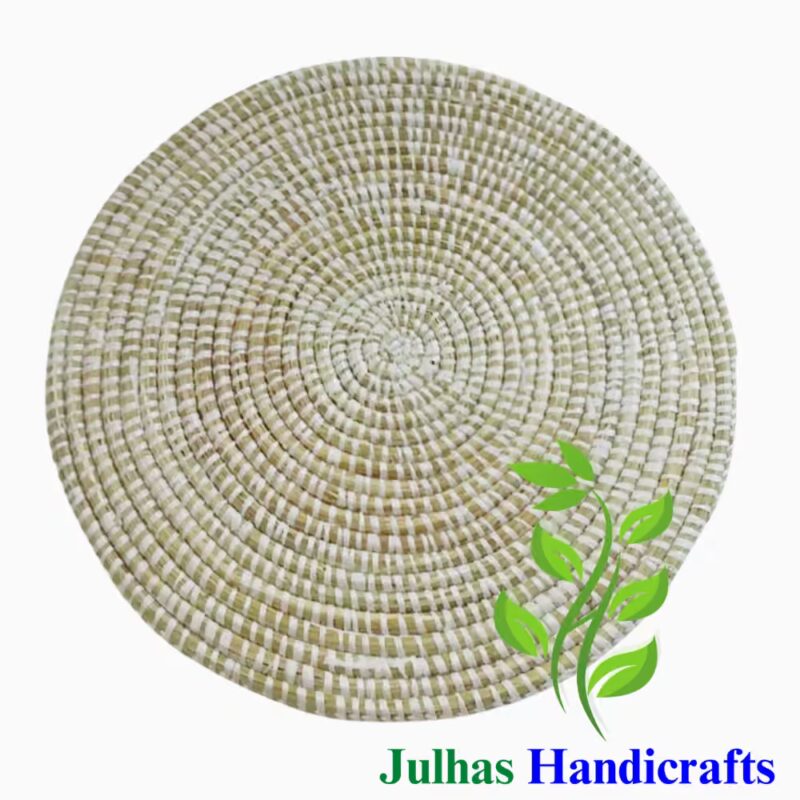
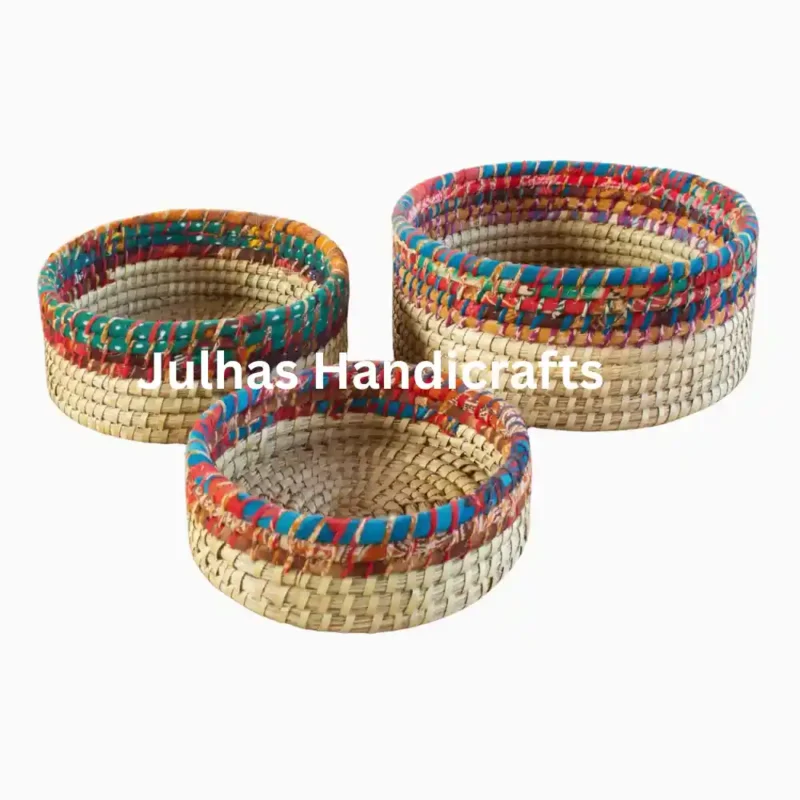
- Sea Grass Products: Placemate, Rugs, Baskets, Pouf from natural sea grass.
- Jute Products: Bags, mats, and rugs made from jute fiber.
- Metal Crafts: Copper and brass items like lamps and utensils.
Products by Category
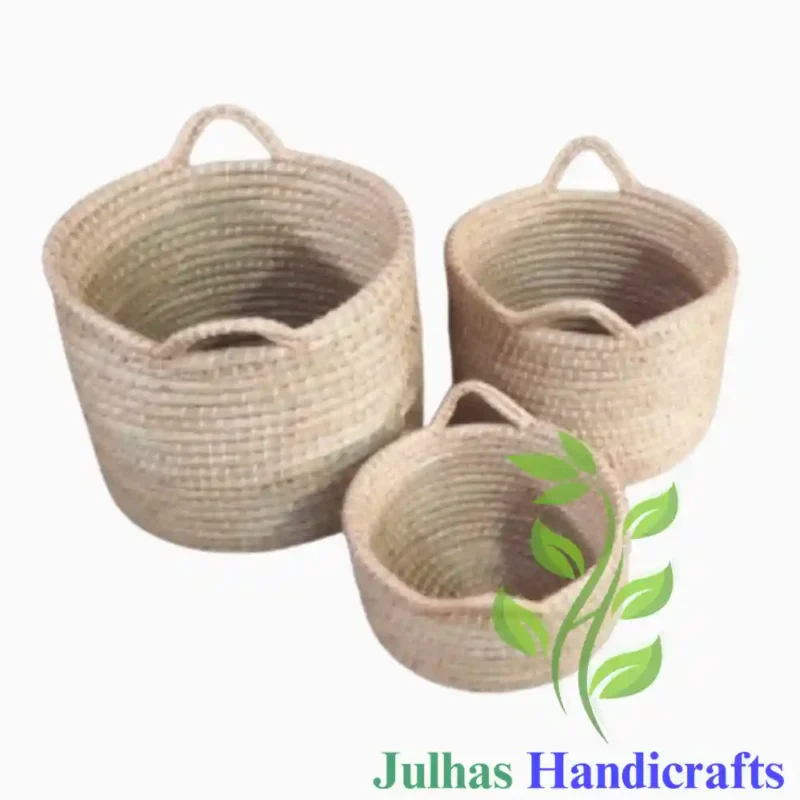
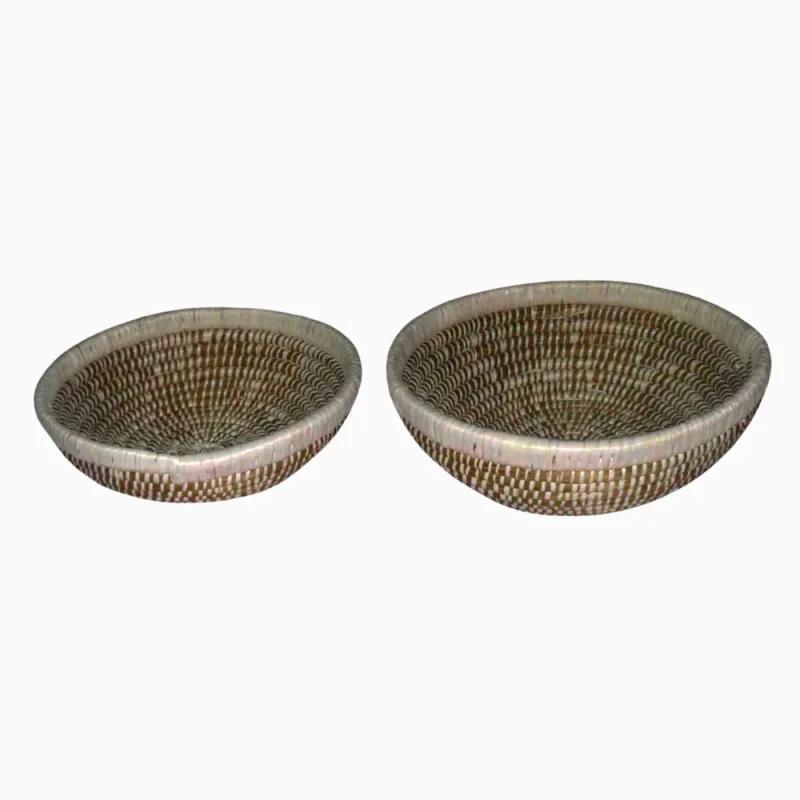
Jamdani Textiles: The Pride of Bangladesh
Jamdani is one of the most famous crafts. It is a type of fabric made with cotton or silk. The fabric is woven with very fine patterns. The weavers use a special handloom to create beautiful designs. These patterns often show flowers or geometric shapes.
Jamdani weaving is very old. It started many hundreds of years ago. Today, it is still made by hand. Many people wear Jamdani sarees on special days. This craft is a symbol of Bangladesh’s culture.
Nakshi Kantha: Art in Every Stitch
Nakshi Kantha is a type of embroidered quilt. Women usually make it by sewing colorful threads on old cloth. The designs include animals, flowers, and stories from daily life.
Making Nakshi Kantha takes time and patience. Each quilt can take weeks to finish. It is used as a blanket, wall hanging, or bedspread. Nakshi Kantha is both useful and beautiful.
Pottery: Earth Shaped by Hands
Pottery is another important handicraft in Bangladesh. Potters use clay from river banks. They shape the clay into pots, jars, and cups. Then, they bake these items in a kiln to make them hard.
Pottery is useful in homes and also decorative. Some pots have simple designs, while others have detailed paintings. This craft connects people with the earth.
Wood Carving: Stories in Wood
Wood carving is a skill passed down for many years. Carvers use wood from trees like mango or teak. They make furniture, masks, and small decorations.
The carvings often show animals, plants, or religious symbols. Wood carving needs patience and care. It is a way to keep old stories alive.
Jute Products: The Golden Fiber
Bangladesh is famous for jute, called the golden fiber. Jute is a natural plant fiber. It is strong and used to make many products.
Craftsmen make bags, rugs, mats, and baskets from jute. These products are eco-friendly and popular worldwide. Jute handicrafts help farmers and workers earn money.
Metal Crafts: Shining Tradition
Metal crafts in Bangladesh include copper and brass work. Artisans make lamps, trays, and utensils by hand. They use tools to shape and decorate metal pieces.
These crafts are often used in homes and temples. They show skill and beauty in metalwork. Metal handicrafts add shine to daily life.
The People Behind the Crafts
Bangladeshi handicrafts are created by skilled men and women who mostly live in villages and small towns. They learn these crafts from their parents and elders, making the skills part of their family tradition. For many artisans, handicraft making is not only their main source of income but also a matter of pride and identity.
These artisans work with great dedication every day, using simple tools and their hands to create beautiful items. Each product requires time, patience, and careful attention. When people buy handicrafts, they directly help support the livelihoods of these hardworking craftsmen and women.
Handicrafts and Bangladesh’s Culture
Handicrafts are much more than ordinary products; they are an important part of Bangladesh’s culture and history. Each craft reflects the traditions, lifestyle, and creativity of different regions of the country. Many designs are inspired by festivals, nature, and everyday life.
Handicrafts are widely used during weddings, religious events, and cultural celebrations. They help bring communities together and keep age-old customs alive. Through handicrafts, the beauty and cultural richness of Bangladesh are shared with the rest of the world.
How Handicrafts Help the Economy
The handicraft industry provides income to thousands of families across Bangladesh. It creates employment opportunities, especially in rural areas where other jobs may be limited. This helps reduce poverty and supports sustainable livelihoods.
Exporting Bangladeshi handicrafts also earns foreign currency for the country. It strengthens small businesses, boosts local economies, and contributes to national economic growth while preserving traditional skills and culture.
Where to Find Bangladeshi Handicrafts
Bangladeshi handicrafts can be found in markets across the country. Major cities like Dhaka and Chattogram have dedicated handicraft shops and showrooms where a wide variety of traditional items are displayed. Local fairs, cultural events, and festivals are also popular places to discover authentic handmade products directly from artisans.
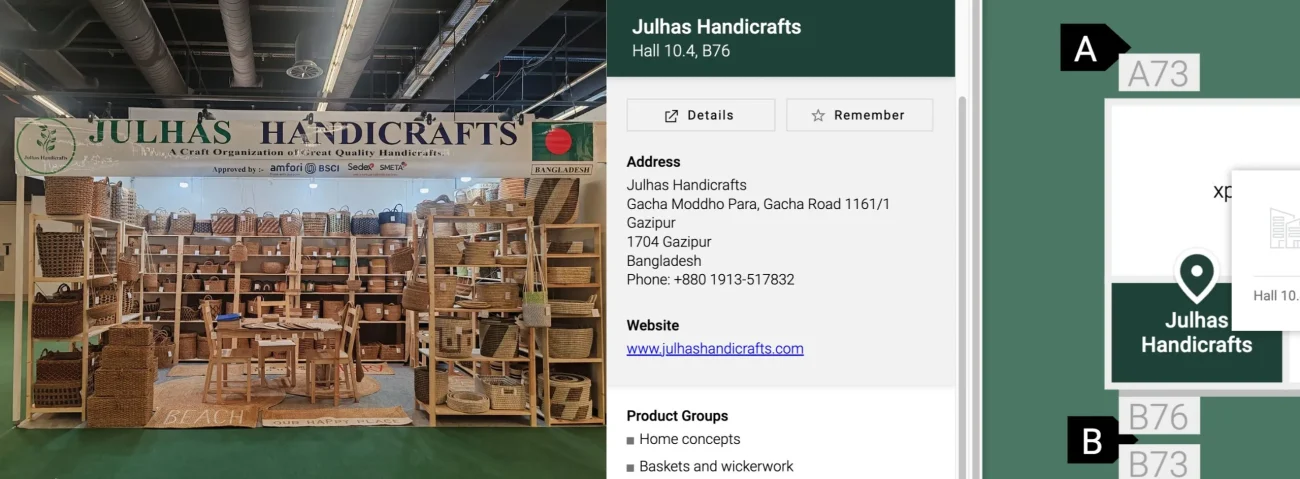
Today, handicrafts are easily available through online stores, making them accessible to buyers around the world. Among these, Julhas Handicrafts stands out as a trusted name in promoting Bangladeshi handmade products. Julhas Handicrafts works closely with skilled artisans from rural areas, ensuring fair income and preserving traditional craftsmanship.
Julhas Handicrafts is especially known for its quality products and strong export presence. Their handcrafted items, made from natural and eco-friendly materials, are exported to international markets where they are highly appreciated for their design, durability, and cultural value. By choosing Julhas Handicrafts, buyers not only receive beautiful home décor and items but also support sustainable livelihoods and help showcase Bangladesh’s rich heritage on a global stage.
Bangladeshi handicrafts make excellent gifts and elegant home decorations, offering a perfect blend of tradition, art, and positive impact.
Preserving the Future of Handicrafts
Handicrafts face challenges today. Machines and cheap products affect their sales. Young people sometimes leave the craft for other jobs.
It is important to protect these traditions. Supporting artisans by buying their work helps a lot. Teaching the young generation about crafts is key. Handicrafts keep Bangladesh’s culture strong and alive.
Conclusion
Bangladesh handicrafts are a beautiful part of life. They show the skill, culture, and heart of the people. From Jamdani fabrics to jute bags, each craft is special. By appreciating and supporting these crafts, we help keep history alive.
Next time you see a handmade item from Bangladesh, think of the people. The stories they tell. The traditions they hold. Handicrafts are more than objects—they are treasures from the soul of Bangladesh.