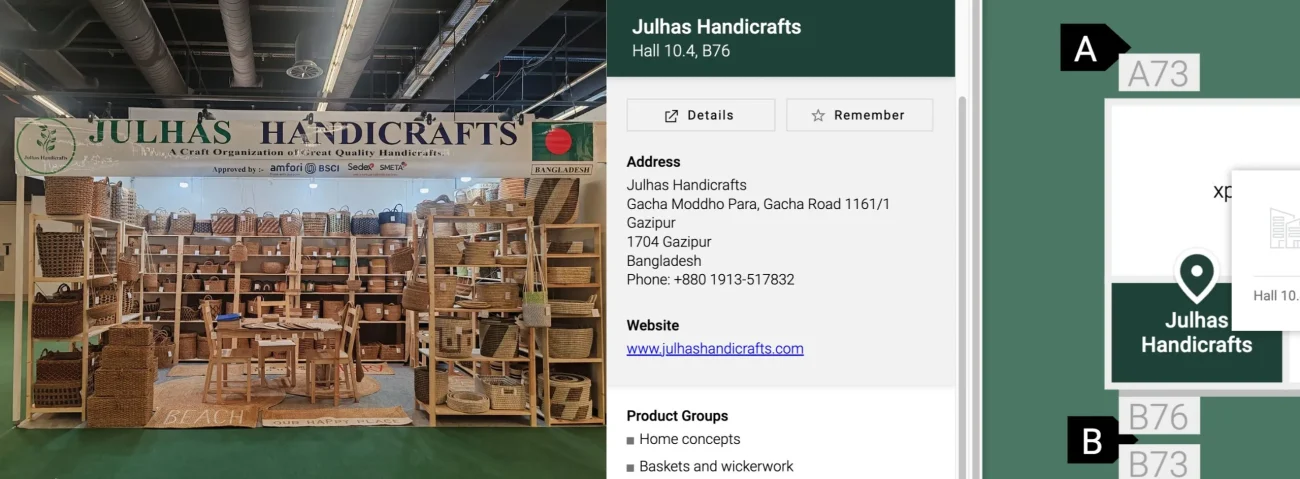

Why Bangladeshi Handicrafts Are Gaining Global Popularity

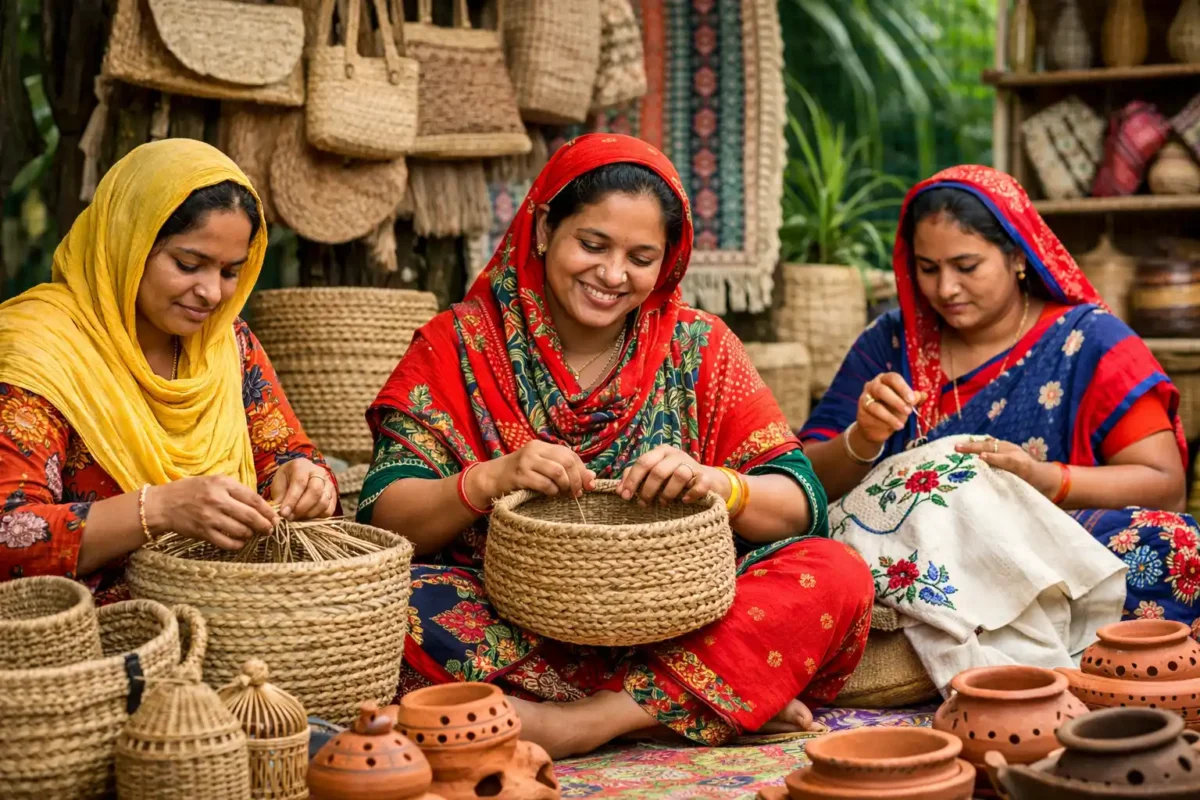
In recent years, Bangladeshi handicrafts have captured the attention of international buyers, retailers, and interior designers. From eco-friendly jute products to intricate handwoven textiles, Bangladesh is becoming a global hub for authentic, sustainable, and culturally rich handmade goods. But what exactly is driving this surge in popularity?
In this article, we’ll explore the key reasons behind the rising global demand for Bangladeshi handicrafts, their unique qualities, export potential, and why they are becoming a preferred choice in the global marketplace.
The Rich Heritage of Bangladeshi Handicrafts
Bangladesh has a long and vibrant tradition of handicrafts that dates back centuries. These crafts are deeply rooted in the country’s cultural identity and rural economy.
Artisans across the country specialize in various crafts such as:
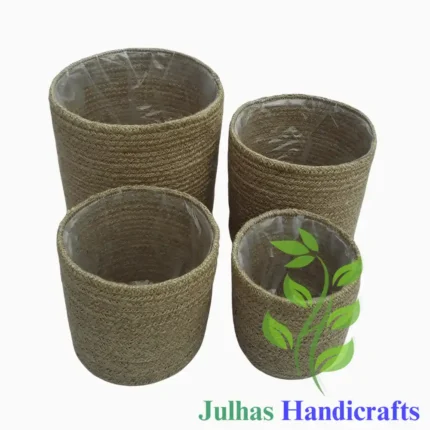
- Seagrass Handicrafts
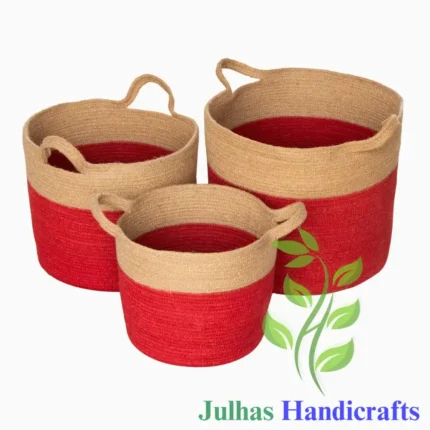
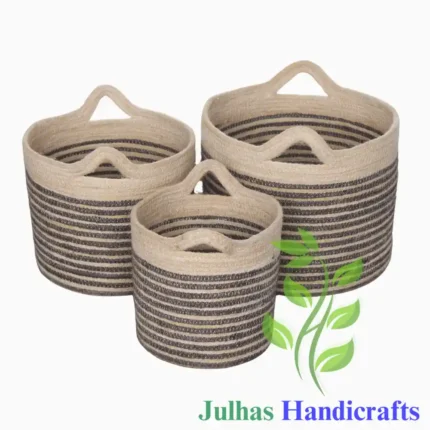
- Jute handicrafts
- Bamboo and cane products
- Nakshi Kantha embroidery
- Terracotta items
- Handloom textiles
- Wooden crafts
Each product reflects the heritage, skills, and creativity passed down through generations.
Cultural Value Meets Modern Demand
What makes Bangladeshi handicrafts unique is their ability to blend tradition with modern aesthetics. Today’s global consumers are not just buying products—they are buying stories, authenticity, and culture.
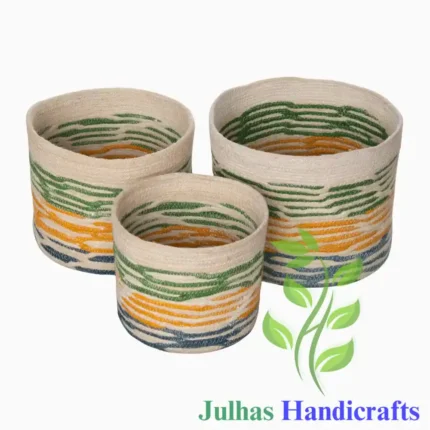
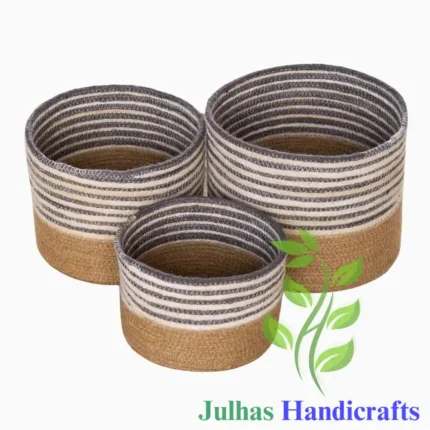
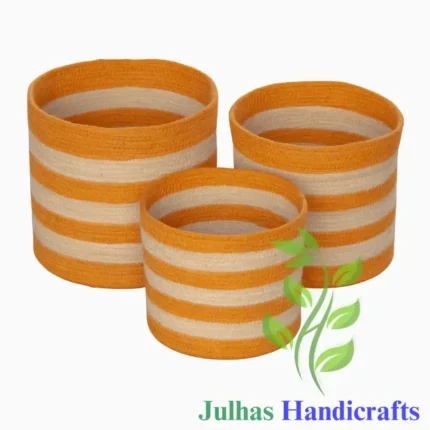
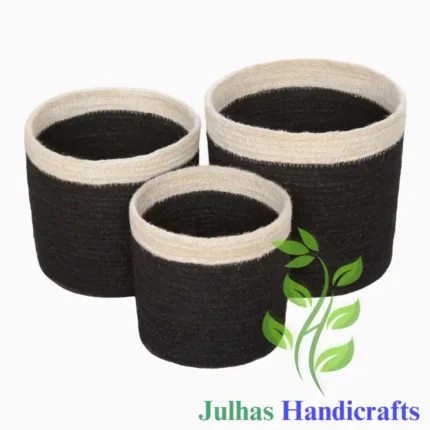
Products by Category
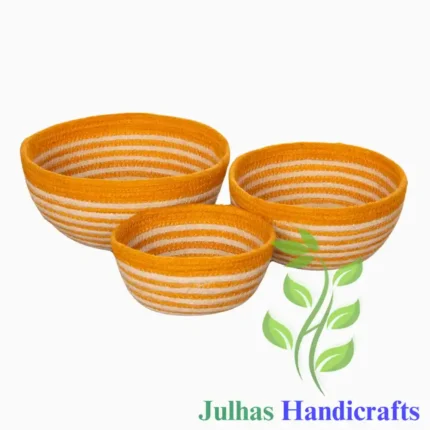
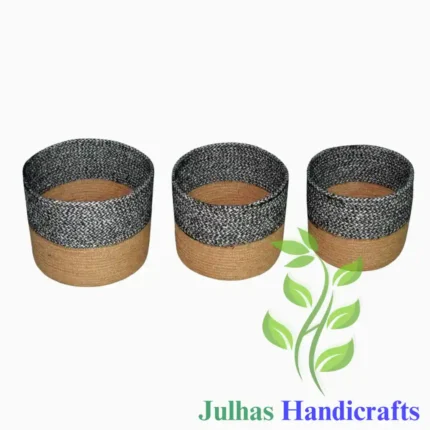
Eco-Friendly and Sustainable Materials
One of the biggest reasons for the global popularity of Bangladeshi handicrafts is sustainability.
Seagrass Handicrafts of Bangladesh
Seagrass handicrafts are quickly becoming one of the most in-demand product categories in the global handicraft market. Known for their natural texture, eco-friendliness, and versatility, seagrass products are widely used in modern home décor, storage solutions, and lifestyle accessories.
What is Seagrass and Why is it Popular?
Seagrass is a natural fiber harvested from underwater plants found in coastal areas. In Bangladesh, seagrass is processed, dried, and woven by skilled artisans to create beautiful handcrafted products.
The growing popularity of seagrass handicrafts is driven by:
- 100% natural and biodegradable material
- Sustainable and renewable sourcing
- Strong yet lightweight structure
- Unique earthy and organic aesthetic
As global consumers shift toward eco-conscious living, seagrass products are becoming a preferred alternative to plastic and synthetic materials.
Jute: The Golden Fiber
Bangladesh is one of the largest producers of jute in the world. Jute products are:
- 100% biodegradable
- Environmentally friendly
- Durable and versatile
With the global shift towards eco-conscious living, jute bags, home décor items, and packaging materials are in high demand.
Bamboo and Natural Fibers
Handicrafts made from bamboo, cane, and other natural materials are also gaining popularity due to:
- Low environmental impact
- Renewable sourcing
- Lightweight and durability
Consumers in Europe and North America are increasingly replacing plastic products with natural alternatives.
Skilled Artisans and Handmade Excellence
Unlike mass-produced factory goods, Bangladeshi handicrafts are mostly handmade by skilled artisans.
Why Handmade Matters
Global buyers value handmade products because they offer:
- Unique designs (no two items are exactly the same)
- High craftsmanship
- Authenticity
Artisans in Bangladesh often spend hours or even days creating a single product, ensuring quality and attention to detail.
Competitive Pricing in the Global Market
Another major advantage of Bangladeshi handicrafts is affordability.
Compared to countries like India, China, or Vietnam, Bangladesh offers:
- Lower production costs
- Competitive export pricing
- High-quality craftsmanship at reasonable rates
This makes Bangladeshi products highly attractive to wholesalers, retailers, and eCommerce businesses worldwide.
Growing Demand for Ethical and Fair Trade Products
Modern consumers are more conscious about how products are made.
Ethical Production
Many Bangladeshi handicraft producers follow:
- Fair trade practices
- Ethical sourcing
- Community-based production
Buying these products supports rural artisans and helps improve their livelihoods.
This social impact aspect significantly boosts global demand.
Unique and Customizable Designs
Bangladeshi handicrafts stand out because of their diversity and customization options.
Product Variety
Exporters offer a wide range of products such as:
- Home décor (baskets, wall hangings, planters)
- Fashion accessories (bags, jewelry)
- Furniture and storage items
- Gift items and souvenirs
Custom Orders for Global Buyers
Many manufacturers provide customization services, allowing buyers to:
- Choose designs
- Modify sizes
- Add branding
This flexibility is a major advantage for international businesses.
Rise of eCommerce and Global Market Access
The growth of online marketplaces has played a huge role in promoting Bangladeshi handicrafts.
Platforms Driving Growth
Handmade products from Bangladesh are now sold on:
- Etsy
- Amazon Handmade
- Alibaba
- Shopify stores
Social media platforms like Facebook and Instagram are also helping small businesses reach international customers directly.
Government Support and Export Growth
The Bangladeshi government is actively promoting handicraft exports through:
- Trade fairs and exhibitions
- Training programs for artisans
- Support from Export Promotion Bureau (EPB)
Increasing Export Statistics
Handicrafts are becoming an important part of Bangladesh’s export economy, especially in non-traditional sectors.
Countries importing Bangladeshi handicrafts include:
- USA
- Germany
- UK
- Netherlands
- Australia
Influence of Global Interior Design Trends
Modern interior design trends are favoring natural, handmade, and minimalist aesthetics.
Why Designers Love Bangladeshi Crafts
Interior designers prefer Bangladeshi handicrafts because they:
- Add a rustic and organic touch
- Fit well with bohemian and eco-friendly themes
- Offer unique textures and patterns
Products like jute rugs, woven baskets, and handmade wall décor are trending globally.
Women Empowerment Through Handicrafts
The handicraft sector in Bangladesh plays a significant role in empowering women.
Social Impact
Thousands of women in rural areas are involved in:
- Weaving
- Embroidery
- Craft production
This provides them with:
- Financial independence
- Employment opportunities
- Improved living standards
Global buyers increasingly support brands that promote women empowerment.
Challenges and Opportunities
While the industry is growing rapidly, there are still some challenges:
Challenges
- Lack of modern design innovation in some sectors
- Limited branding and marketing
- Supply chain inefficiencies
- Quality consistency issues
Opportunities
- Expanding into premium markets
- Developing strong global brands
- Leveraging digital marketing
- Collaborating with international designers
Future of Bangladeshi Handicrafts
The future looks extremely promising for Bangladeshi handicrafts.
Key Growth Drivers
- Increasing demand for sustainable products
- Expansion of global eCommerce
- Rising awareness of ethical consumption
- Government and private sector initiatives
With proper branding, quality control, and innovation, Bangladesh has the potential to become a leading global exporter of handicrafts.
Conclusion
Bangladeshi handicrafts are gaining global popularity for all the right reasons—sustainability, authenticity, affordability, and cultural richness. As consumers worldwide shift towards eco-friendly and ethically produced goods, Bangladesh is perfectly positioned to meet this demand.
From jute products to handwoven textiles, these crafts are not just products—they are stories of tradition, skill, and resilience.
For businesses, importers, and entrepreneurs, this is the perfect time to explore opportunities in the Bangladeshi handicraft industry.