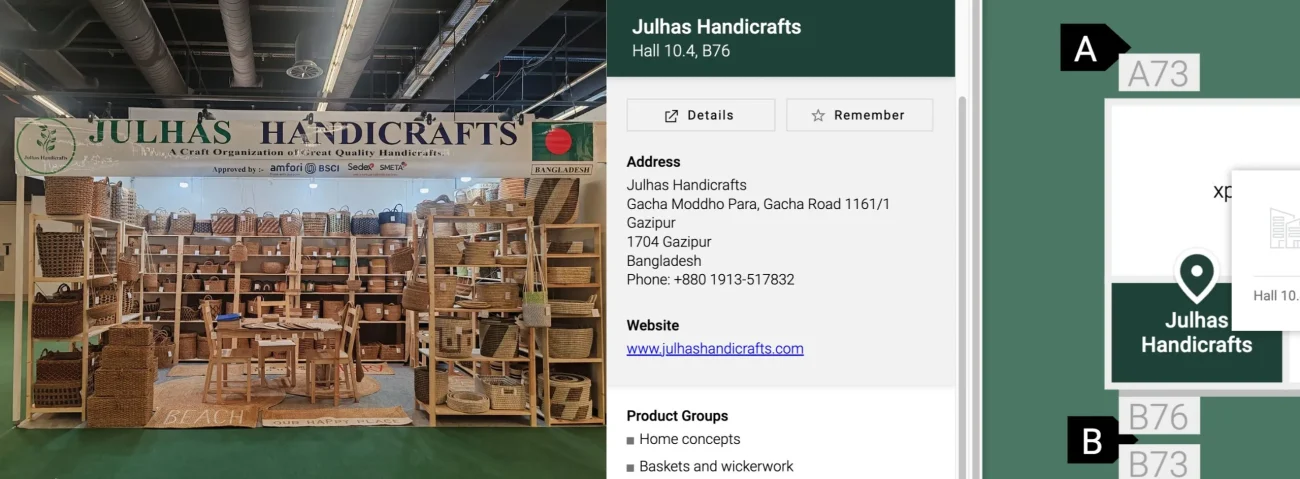

Top Reasons to Source Seagrass Products from Bangladesh

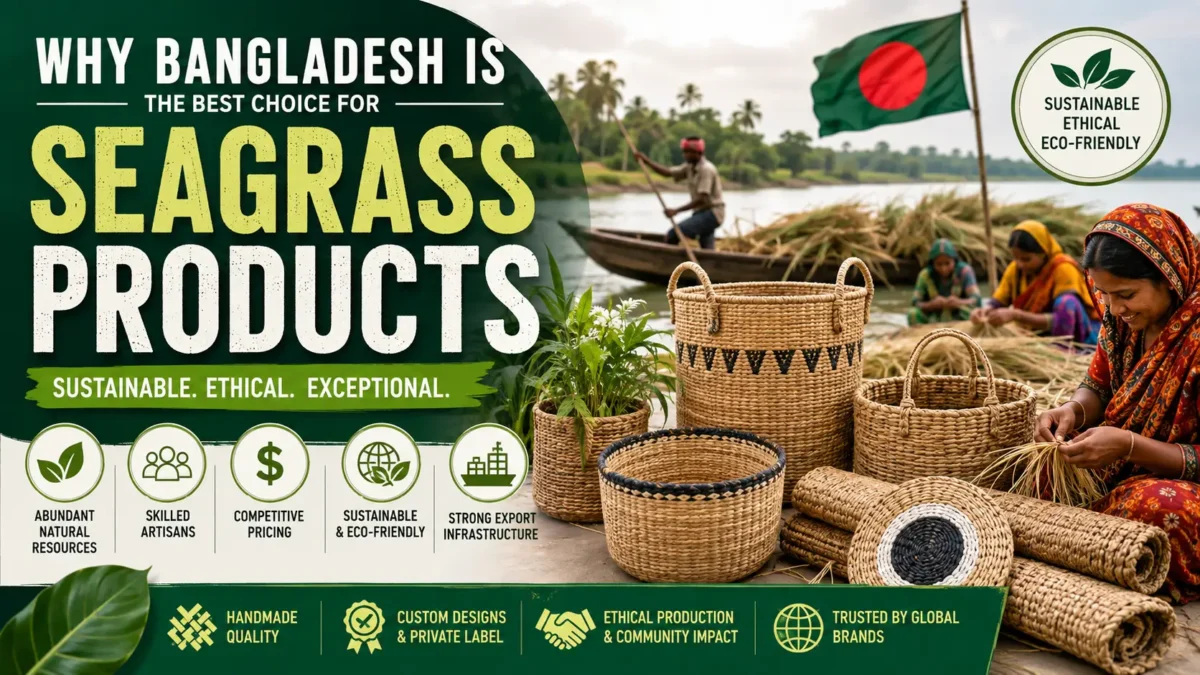
Sourcing seagrass products is becoming a global trend, especially among eco-conscious buyers and businesses looking for sustainable alternatives to plastic and synthetic materials. Among all the sourcing destinations, Bangladesh stands out as a powerhouse in the handicrafts manufacturer industry. But why is this South Asian nation attracting so much attention? The answer is a combination of natural resources, skilled artisans, cost advantages, and a strong commitment to sustainability. If you are considering importing seagrass baskets, rugs, placemats, or other decor items, understanding the unique benefits of sourcing from Bangladesh can help you make informed, strategic decisions. This article explores the top reasons why Bangladesh is the preferred choice for seagrass products and offers insights you won’t find elsewhere.
Abundant Natural Resources
Bangladesh is blessed with a vast coastal region where the Bay of Bengal meets fertile river deltas. This unique geography creates an ideal environment for seagrass to flourish. The main harvesting areas are in the southern districts such as Noakhali, Barishal, Khulna, and Satkhira. Here, the combination of brackish water, rich soil, and a humid climate produces seagrass with the right balance of strength and flexibility.
Not all seagrass is created equal. The variety found in Bangladesh is prized for its long, slender blades and a natural golden hue, making it perfect for weaving into attractive, durable products. The abundance of raw material means manufacturers can meet both small and large orders with ease, minimizing supply chain disruptions.
Skilled Artisan Workforce
Handicrafts have been part of Bangladeshi culture for centuries. The country’s artisans are known for their meticulous weaving techniques and attention to detail. Seagrass weaving is more than just a job—it’s a tradition passed down through generations in many rural communities. This rich heritage ensures that each product is made with care, creativity, and skill.
Bangladeshi artisans specialize in creating both classic and contemporary designs. Whether you need simple storage baskets or intricate, decorative rugs, they can deliver products that meet international quality standards. Many artisans also work in cooperatives, which provide stable incomes and encourage innovation.
As a result, buyers receive not only high-quality goods but also unique, handcrafted items that stand out in the market.
Competitive Pricing
One of the strongest reasons to source seagrass products from Bangladesh is cost efficiency. The country benefits from low labor costs and locally available raw materials, which keeps production expenses down. Manufacturers can offer competitive prices without compromising on quality.
To help you understand the price advantage, compare the average cost of seagrass baskets from Bangladesh with those from other leading suppliers:
| Country | Average Basket Price (USD) | Shipping Cost (per 100 kg) |
|---|---|---|
| Bangladesh | $3.20 | $120 |
| Vietnam | $4.10 | $140 |
| Indonesia | $4.50 | $160 |
| Philippines | $4.80 | $170 |
Bangladesh offers some of the lowest prices in the market, giving you better margins or more competitive retail pricing.
Sustainability And Environmental Impact
Seagrass products from Bangladesh are a top choice for environmentally conscious brands and consumers. The seagrass harvesting process is eco-friendly and does not harm local ecosystems. Seagrass is a fast-growing plant; when harvested properly, it naturally regenerates. Many Bangladeshi suppliers follow sustainable collection practices, ensuring the long-term health of coastal habitats.
Seagrass products are also fully biodegradable. Unlike plastic or synthetic alternatives, these items return to the earth without leaving harmful waste. This aligns with growing global demand for green products and supports your brand’s sustainability goals.
A non-obvious insight: Seagrass meadows help fight climate change by capturing carbon in their roots and soil. By choosing seagrass from responsible sources, you indirectly support this important environmental service.
Wide Variety Of Products
Bangladesh offers a remarkable range of seagrass products, from everyday essentials to high-end decor. Here are some popular categories:
- Baskets: Storage baskets, laundry hampers, and market totes in many shapes and sizes.
- Rugs and Mats: Hand-woven area rugs, door mats, and placemats.
- Trays and Bowls: Serving trays, bread baskets, and decorative bowls.
- Home Decor: Wall hangings, planters, and lampshades.
- Furniture: Seagrass chairs, stools, and ottomans (sometimes combined with other natural fibers).
- Custom Designs: Many suppliers offer bespoke products to match specific branding or size requirements.
This variety allows you to diversify your product range or build a coordinated collection, all from a single sourcing destination.
Quality And Durability
Many buyers worry that eco-friendly products may not be as strong as synthetics. However, seagrass items from Bangladesh are known for their durability. The specific species grown there produces fibers with high tensile strength and flexibility. When combined with skilled weaving, the results are products that withstand daily use and last for years.
Some exporters test their goods for load-bearing capacity and moisture resistance, especially for baskets and rugs meant for export. This attention to quality control has helped Bangladesh earn trust in international markets. A practical tip: For extra longevity, ask suppliers about treatments that make seagrass more resistant to mold or stains—many can apply natural finishes without using harmful chemicals.
Strong Export Infrastructure
Bangladesh is one of the world’s largest exporters of handicrafts and natural fiber products. The government has invested in export-friendly policies, logistics networks, and port facilities. The main shipping port, Chittagong, handles large volumes efficiently, and air freight options are available for urgent orders.
Many seagrass product exporters are familiar with international documentation, packaging standards, and product testing requirements. This reduces the risk of customs delays or compliance issues, making your import process smoother.
Here’s a snapshot of export readiness compared to regional competitors:
| Country | Lead Time (weeks) | Quality Certifications | Export Volume (tons/year) |
|---|---|---|---|
| Bangladesh | 3-5 | ISO, SA8000, Fair Trade | 5,500 |
| Vietnam | 4-6 | ISO, BSCI | 4,200 |
| Indonesia | 5-8 | BSCI | 3,700 |
| Philippines | 6-8 | ISO | 2,800 |
Faster lead times and higher compliance rates make Bangladesh a reliable partner for large and small buyers alike.
Favorable Trade Agreements And Market Access
Bangladesh enjoys preferential trade status with many major markets, including the European Union under the Everything But Arms (EBA) initiative, and special tariff reductions in countries like Canada, Australia, and Japan. These agreements often mean lower import duties for buyers, reducing total landed costs.
The country is also part of several regional trade bodies like the South Asian Free Trade Area (SAFTA), which helps with faster customs clearance and smoother logistics. For importers, these advantages can result in significant savings and less red tape.
Customization And Private Labeling
For brands looking to stand out, Bangladesh offers excellent customization options. Many suppliers can adapt products for size, color, shape, or even weave patterns. This flexibility is especially valuable for private label brands or retailers with unique design requirements.
Some exporters have in-house design teams who work closely with buyers to develop exclusive products. You can request personalized logos, custom packaging, or even collaborate on entirely new product lines. This degree of customization is not always available in other sourcing markets.
A less obvious benefit: Because many workshops are small or medium-sized enterprises, they are more agile and responsive to changing trends. You can launch new designs quickly or test small batches before scaling up.
Ethical Production And Community Impact
Bangladesh’s seagrass industry is a lifeline for many rural communities. The work provides stable incomes, especially for women, who make up a large share of the artisan workforce. Many exporters are certified for Fair Trade or work closely with non-profits to ensure safe, ethical labor practices.
When you source from Bangladesh, you’re not just buying a product—you’re supporting community development and helping artisans improve their lives. Some buyers even use this social impact as part of their marketing story, adding value to their brand.
A practical insight: If social responsibility is important to your company, ask for supplier certifications or details about their community projects. Many will be happy to share success stories and photographs.
Consistent Supply And Scalability
One challenge with natural fiber products is maintaining consistent supply, especially for large retailers. Thanks to Bangladesh’s extensive raw material base and organized production networks, the country can handle both small, custom orders and large, ongoing contracts.
Many exporters work with clusters of village artisans, allowing them to ramp up production quickly during peak seasons. This scalability is crucial for brands planning growth or seasonal promotions.
International Recognition And Awards
Bangladesh’s seagrass products have earned international awards and recognition for design, quality, and sustainability. The country regularly features at trade shows such as Ambiente Frankfurt, Maison & Objet Paris, and the New York Now expo. These platforms help Bangladeshi manufacturers connect with global buyers and stay ahead of market trends.
Such recognition is more than just a badge of honor—it signals to buyers that Bangladeshi products are competitive on a global scale. Several large retailers and boutique brands source their top-selling seagrass items from Bangladesh.
Compliance With Global Standards
International buyers need assurance that their products meet health, safety, and quality regulations. Leading Bangladeshi exporters are certified to global standards like ISO 9001 (quality management), SA8000 (social accountability), and Fair Trade. Many also comply with EU and US regulations on dye content, chemical use, and packaging safety.
A practical example: If you’re selling in the EU, you may need proof that your seagrass products are free from restricted substances. Bangladeshi exporters can provide these documents, reducing the risk of shipment delays or recalls.
Logistics And After-sales Support
Bangladesh’s export sector is supported by a network of freight forwarders, inspection agencies, and logistics companies. Many suppliers offer door-to-door shipping, insurance, and even after-sales support. They can manage complex shipments, whether you’re ordering a single container or mixed loads.
Buyers also benefit from clear communication—most exporters speak English and have dedicated export managers. This reduces misunderstandings and helps resolve issues quickly, which is especially important for first-time importers.
Government And Ngo Support
The seagrass and handicraft sector receives active support from government agencies such as the Export Promotion Bureau (EPB) and organizations like BRAC and CARE. These groups provide training, financial support, and help artisans access new markets.
This ecosystem of support means that the industry is constantly improving. Artisans receive training in quality control, new designs, and business skills. Buyers benefit from a more professional supply chain and ongoing innovation.
Case Studies: Brands Succeeding With Bangladeshi Seagrass
Many well-known brands have built successful collections around seagrass products sourced from Bangladesh. For example, IKEA has included Bangladeshi baskets and storage solutions in its global catalog for years, citing both quality and sustainability. Boutique retailers in Europe and North America often feature “handmade in Bangladesh” items as part of their eco-friendly home decor lines.
A less obvious example: Some hospitality chains use Bangladeshi seagrass placemats and baskets in their hotels for a touch of natural luxury, while supporting ethical sourcing.
Common Buyer Mistakes And How To Avoid Them
While Bangladesh offers many advantages, new buyers sometimes make avoidable mistakes:
- Ignoring Lead Times: Handmade goods take time. Place orders well in advance, especially for custom designs or large quantities.
- Unclear Specifications: Provide detailed product requirements (size, color, weave, etc.) To avoid surprises.
- Skipping Quality Checks: Always ask for samples or third-party inspection reports before shipment.
- Overlooking Certifications: If you need Fair Trade or organic certification, confirm this before placing your order.
- Underestimating Logistics: Factor in shipping times, import duties, and customs paperwork.
Working with reputable suppliers and clear communication can prevent most issues.
How To Start Sourcing From Bangladesh
If you’re ready to source seagrass products from Bangladesh, here’s a practical roadmap:
- Research Suppliers: Use platforms like Alibaba, Global Sources, or attend trade shows to find reliable exporters.
- Request Samples: Always inspect samples before confirming large orders.
- Negotiate Terms: Discuss pricing, lead times, payment terms, and shipping options.
- Order Small Batches First: Start with a trial order to test quality and logistics.
- Build Relationships: Long-term partnerships often lead to better pricing and exclusive designs.
- Visit if Possible: A factory visit helps build trust and gives insight into production practices.
For more information on global trade and handicraft sourcing, you can visit the Wikipedia page on seagrass.
Frequently Asked Questions
What Are The Most Popular Seagrass Products Made In Bangladesh?
Bangladesh produces a wide range of seagrass items, including storage baskets, rugs, placemats, trays, and decorative bowls. Many suppliers also offer custom designs, such as wall hangings or small furniture pieces. The products are known for their natural beauty and sturdy construction.
How Do Bangladeshi Seagrass Products Compare To Those From Vietnam Or Indonesia?
Bangladeshi seagrass is prized for its golden color and fine texture. Products are competitively priced, and the country offers faster lead times and higher export volumes. Bangladeshi artisans also have a reputation for intricate weaving and attention to detail, making the products both attractive and durable.
Are Bangladeshi Seagrass Products Environmentally Friendly?
Yes, seagrass products from Bangladesh are eco-friendly and biodegradable. The harvesting process is sustainable, and many suppliers follow ethical and environmentally responsible practices. Choosing seagrass over synthetic materials helps reduce plastic waste and supports coastal ecosystem health.
Can I Order Custom Or Private Label Seagrass Products From Bangladesh?
Most exporters in Bangladesh offer customization and private label options. You can request specific sizes, colors, weave patterns, or even branded packaging. Many suppliers are flexible and can develop exclusive products for your brand.
What Is The Minimum Order Quantity (moq) For Seagrass Products From Bangladesh?
Minimum order quantities vary by supplier, but many start as low as 100 to 200 pieces for standard designs. Custom or private label orders may require higher MOQs. It’s best to discuss your needs directly with the exporter to find a suitable arrangement.
Bangladesh has firmly established itself as a leader in the seagrass product industry. With its abundant natural resources, skilled artisans, competitive pricing, and strong ethical standards, it offers unmatched value for buyers around the world. Sourcing from Bangladesh supports both your business goals and the communities that depend on this sustainable craft.
If you’re looking for high-quality, eco-friendly seagrass products, Bangladesh is a source you can trust for both today and the future.