
The Journey of Bangladeshi Handicrafts

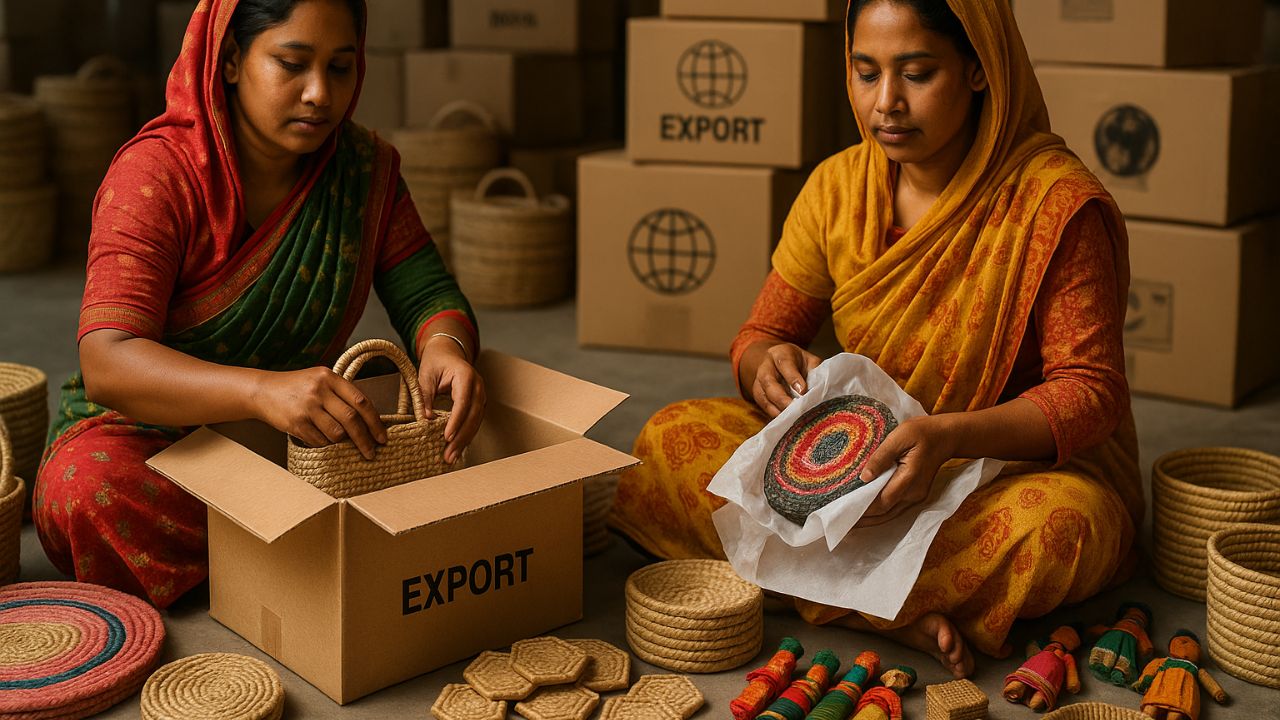
Bangladesh is a land of rivers, fertile soil, and skilled hands. Beyond its agricultural identity, the country carries a rich heritage of traditional handicrafts that originate in rural villages and now reach global markets. Bangladeshi handicrafts are not merely decorative products; they represent culture, sustainability, and livelihood for millions of artisans. The journey of these crafts—from village homes to international platforms—reveals a story of resilience, creativity, and growing global recognition.
Roots in Rural Bangladesh
The foundation of Bangladeshi handicrafts lies in village life. For generations, rural artisans have transformed locally available natural materials such as jute, cane, bamboo, wood, clay, and cotton into functional and artistic products. Skills are traditionally passed down within families, preserving techniques that reflect regional identity and cultural history.
In villages, handicraft production often complements agriculture. During off-seasons, artisans engage in weaving, pottery, embroidery, or basket-making, ensuring year-round income. This close connection between craft and rural life makes handicrafts an essential part of Bangladesh’s socio-economic fabric.
Diversity of Bangladeshi Handicrafts
Bangladesh offers a wide variety of handicraft products, each rooted in specific regions and traditions:
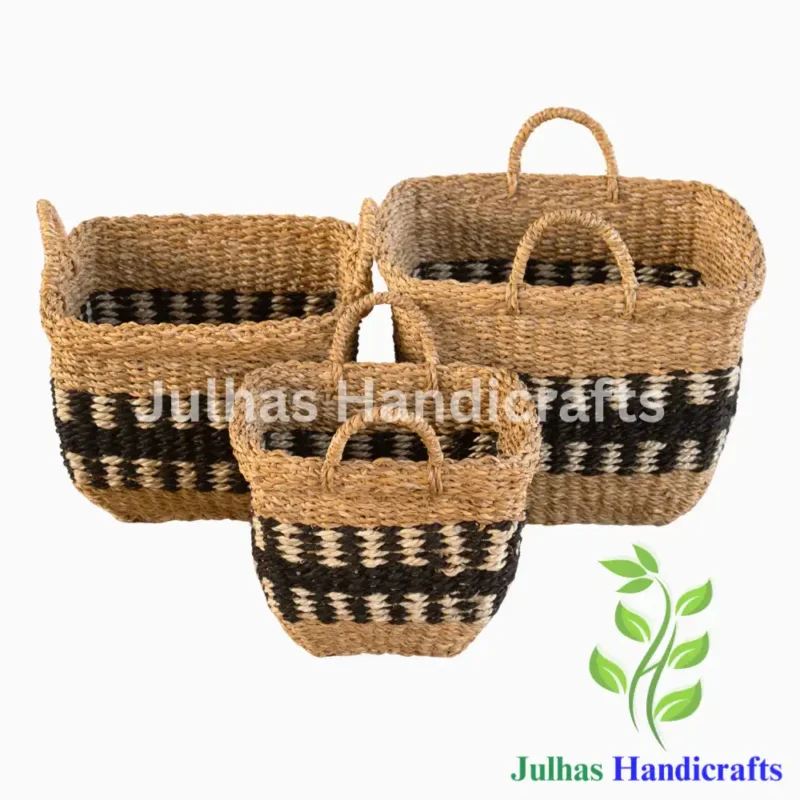
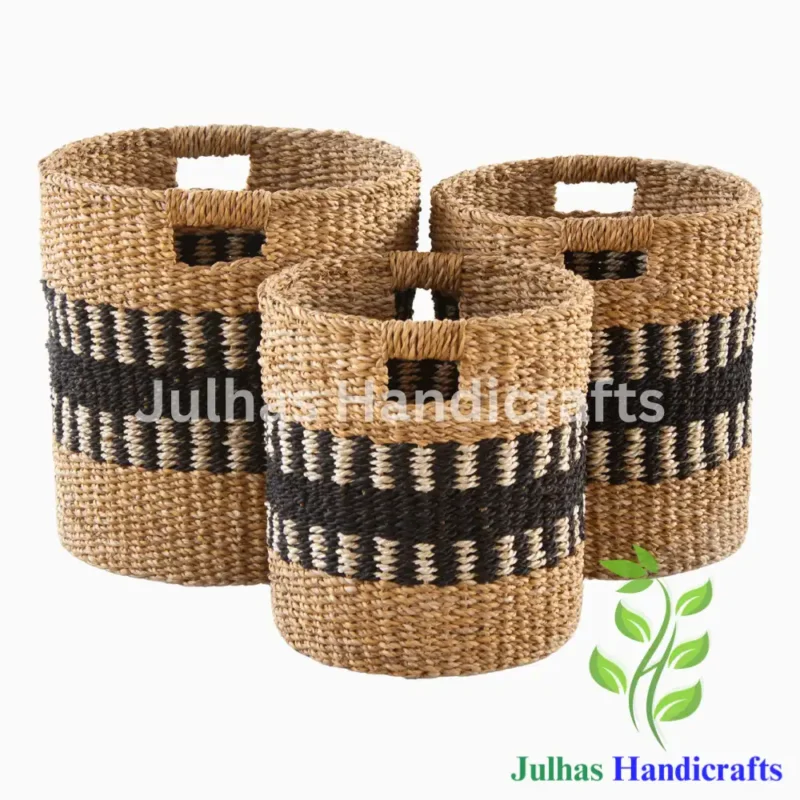
- Jute and Seagrass crafts such as bags, rugs, and home décor reflect the country’s identity as the producer of the “golden fiber.”
- Nakshi Kantha, a traditional embroidered quilt, tells stories through intricate patterns.
- Bamboo and cane products include baskets, furniture, and household items.
- Clay and pottery items showcase ancient artistic traditions.
- Handloom textiles, including muslin-inspired fabrics and jamdani, demonstrate exceptional craftsmanship.
This diversity allows Bangladeshi handicrafts to appeal to both local consumers and international buyers seeking authenticity and sustainability.
Products by Category
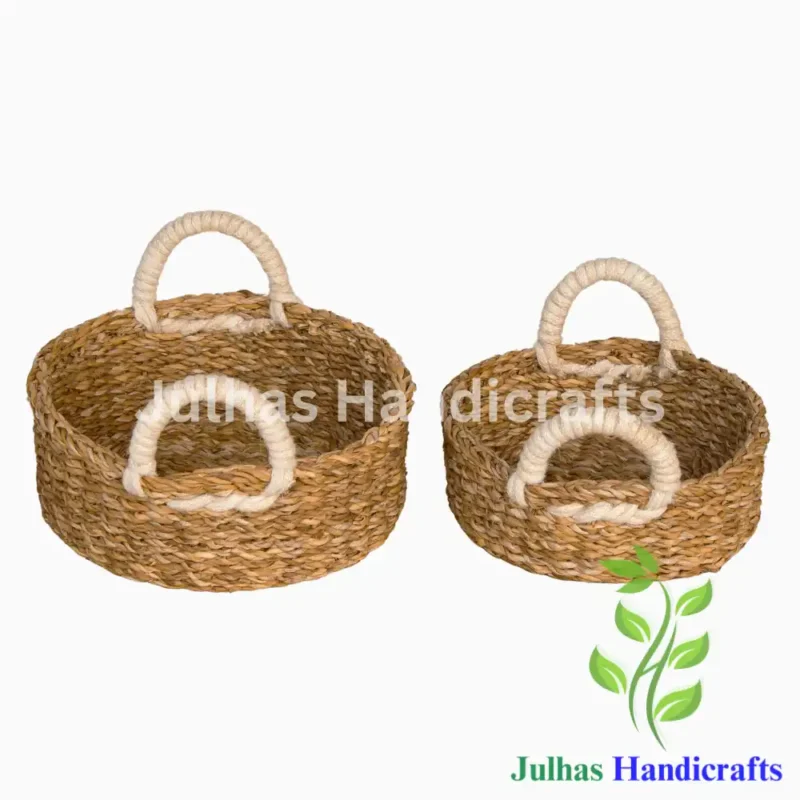
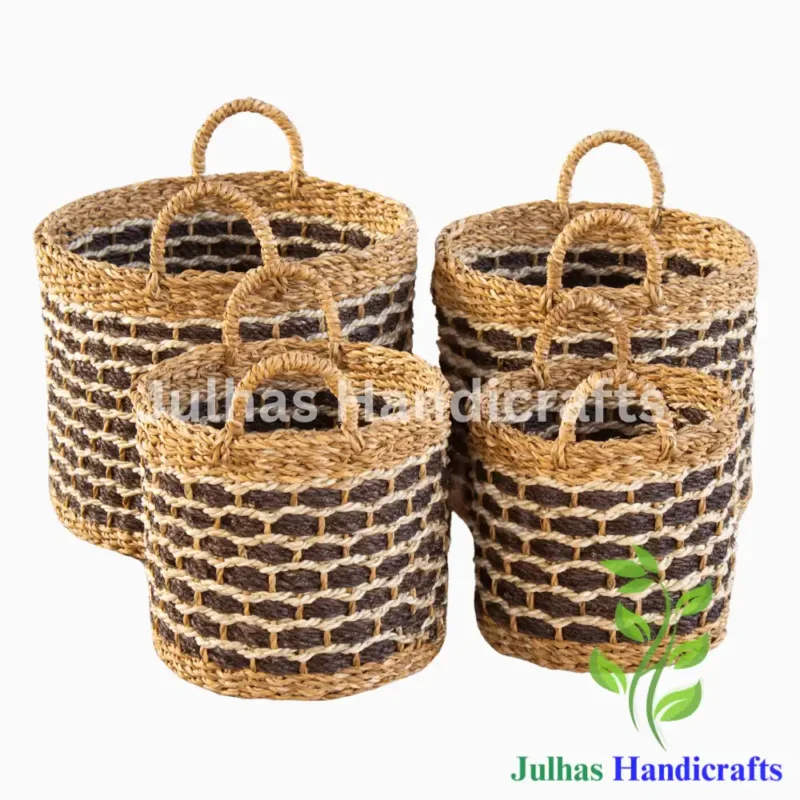
Transition from Local to Global Markets
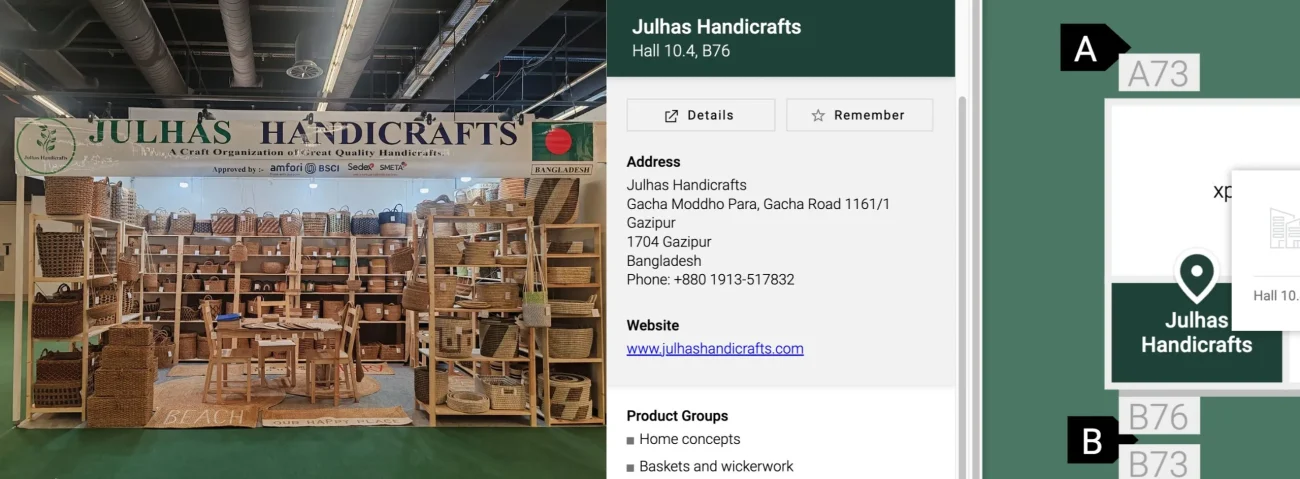
Over time, Bangladeshi handicrafts have moved beyond village fairs and local markets. Global demand for eco-friendly, handmade, and ethically produced goods has opened new opportunities. Export-oriented businesses, online platforms, and international trade fairs have played a significant role in connecting rural artisans to the world.
However, this journey has not been without challenges. Artisans often face issues such as lack of direct market access, limited design innovation, price exploitation by middlemen, and inadequate branding. Addressing these challenges requires organized efforts, responsible businesses, and supportive institutions.
Contribution of Julhas Handicrafts to Bangladeshi Handicrafts
Julhas Handicrafts has been playing a meaningful role in strengthening and promoting Bangladeshi handicrafts globally. Its contributions can be understood in several key areas:
Empowering Rural Artisans
Julhas Handicrafts works closely with village-based artisans, providing them with consistent work opportunities and fair compensation. By engaging artisans directly, the organization helps reduce dependency on middlemen and supports sustainable livelihoods.
Preserving Traditional Skills
By continuing to produce handmade goods using traditional techniques, Julhas Handicrafts contributes to the preservation of heritage crafts that might otherwise disappear due to industrialization and mass production.
Promoting Natural and Sustainable Materials
The company emphasizes the use of natural materials such as jute, bamboo, cane, and cotton. This aligns Bangladeshi handicrafts with global sustainability trends and strengthens the country’s position in the eco-friendly product market.
Design Adaptation for Modern Markets
Julhas Handicrafts helps bridge the gap between tradition and modern consumer demand by adapting designs while maintaining cultural authenticity. This makes traditional products more suitable for contemporary homes and international markets.
Global Representation of Bangladeshi Craftsmanship
By showcasing Bangladeshi handicrafts to wider audiences, Julhas Handicrafts contributes to building a positive global image of Bangladesh as a source of quality handmade and ethical products.
Economic and Social Impact
The growth of the handicraft sector contributes significantly to rural employment, women’s empowerment, and inclusive economic development. Many artisans involved in handicraft production are women, making this sector a powerful tool for social progress.
Organizations like Julhas Handicrafts strengthen this impact by creating stable value chains, encouraging entrepreneurship, and supporting community development.
Conclusion
The journey of Bangladeshi handicrafts—from village households to global marketplaces—is a testament to the country’s cultural richness and human skill. These crafts carry stories of tradition, sustainability, and dignity of labor. With the support of responsible enterprises such as Julhas Handicrafts, Bangladeshi handicrafts continue to gain recognition, ensuring that rural artisans remain connected to the global economy without losing their cultural roots.
As global consumers increasingly value authenticity and sustainability, the future of Bangladeshi handicrafts stands strong—rooted in villages, yet reaching the world.