
Women Artisans Growth of Handicrafts in Bangladesh

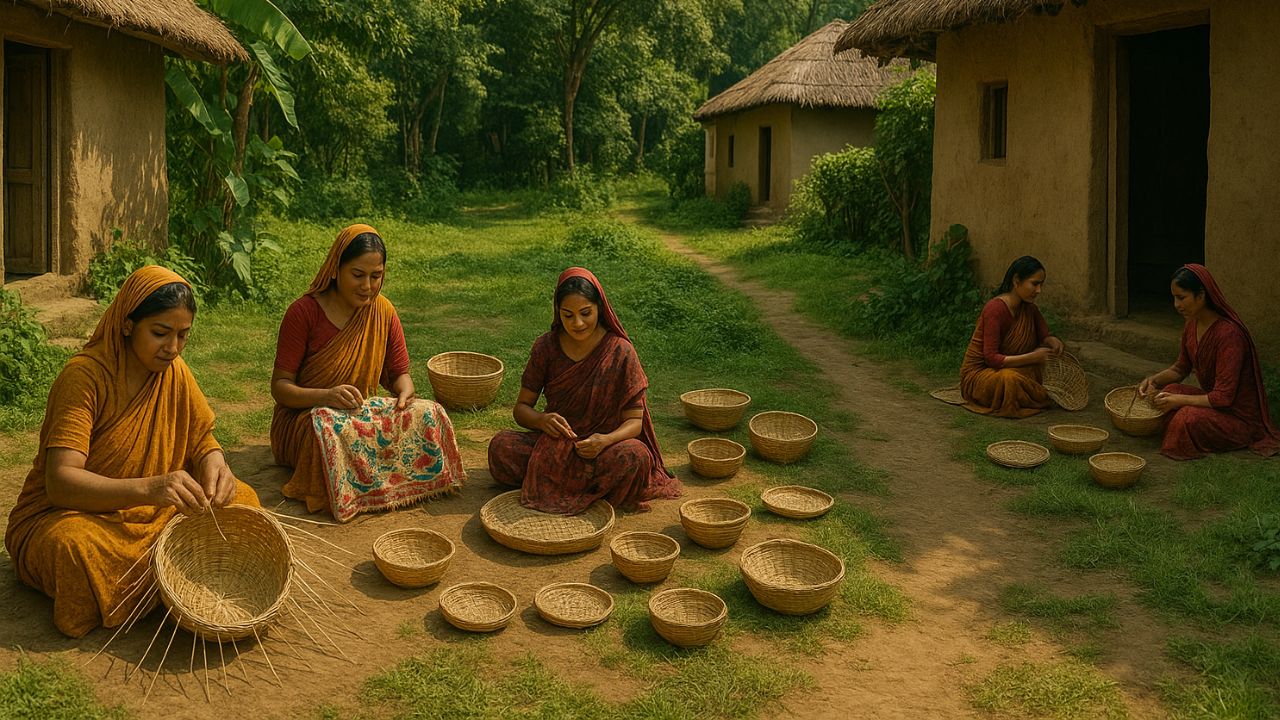
Bangladesh is a country rich in culture, tradition, and artistic heritage. One of the most essential and beautiful expressions of this heritage is handicrafts. Handicrafts are items made by hand using traditional skills and natural materials. These include baskets, handwoven textiles, pottery, embroidery, jute products, and many other decorative and useful items that reflect the people’s creativity.
Women artisans play a vital role in the growth and development of Bangladesh’s handicraft sector. Across villages and small towns, countless women use their skills to create high-quality handmade products while preserving traditions passed down through generations. Their contribution is not only artistic but also economic and social. By working in handicrafts, women earn income, support their families, and gain independence and confidence.
This article explores the vital role of women artisans in Bangladesh’s handicraft industry and how their dedication, talent, and hard work are helping the sector grow locally and internationally while preserving the country’s rich cultural heritage.
Products by Category
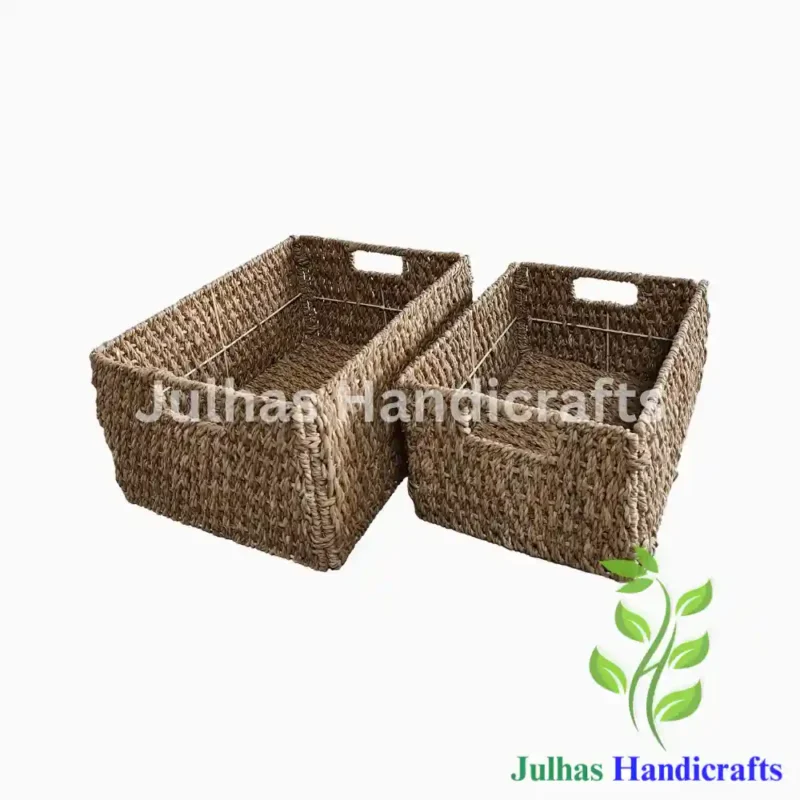
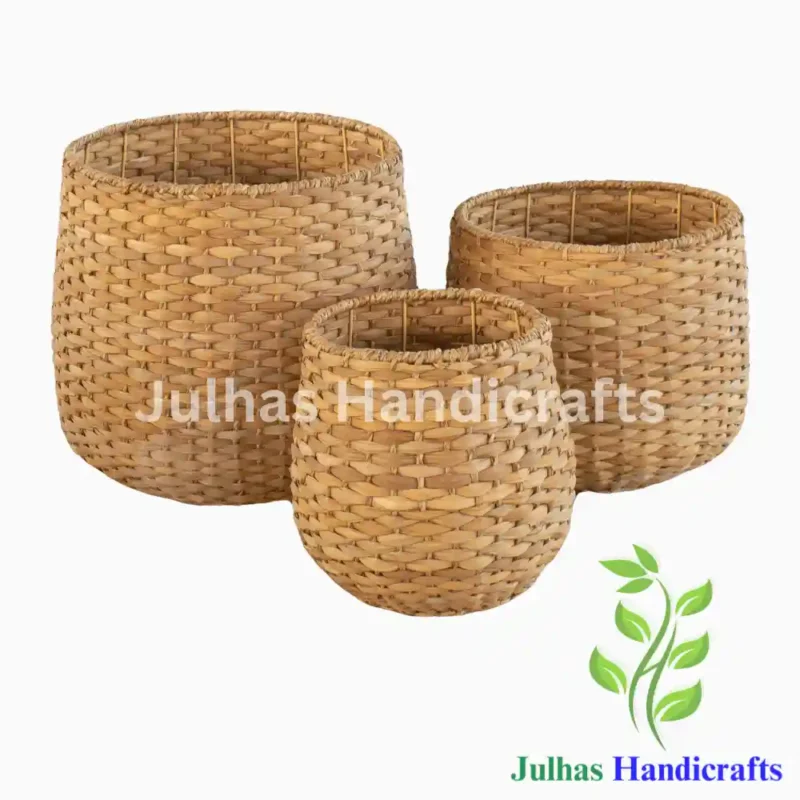
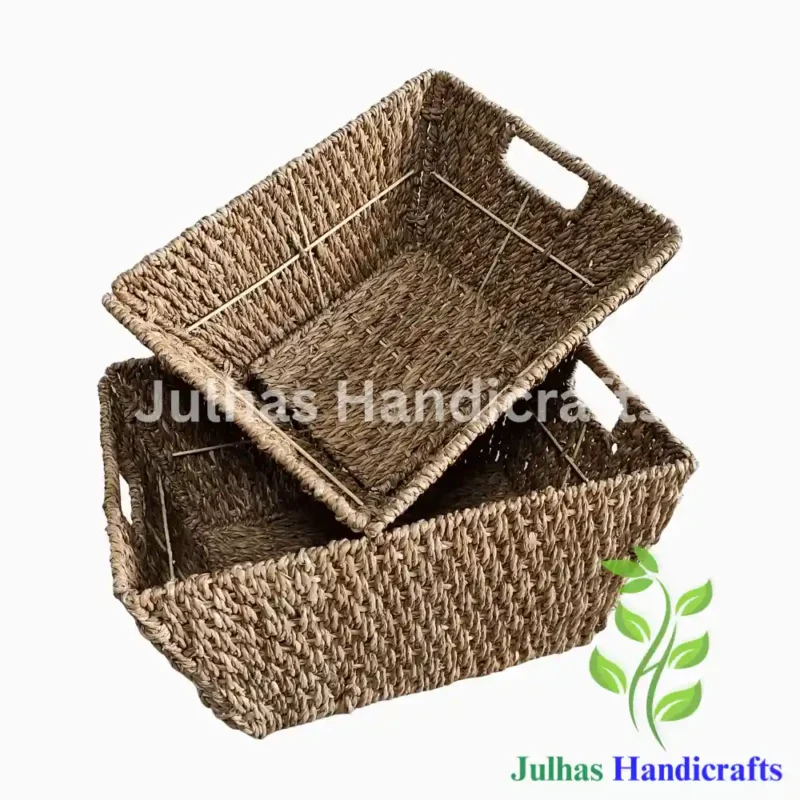
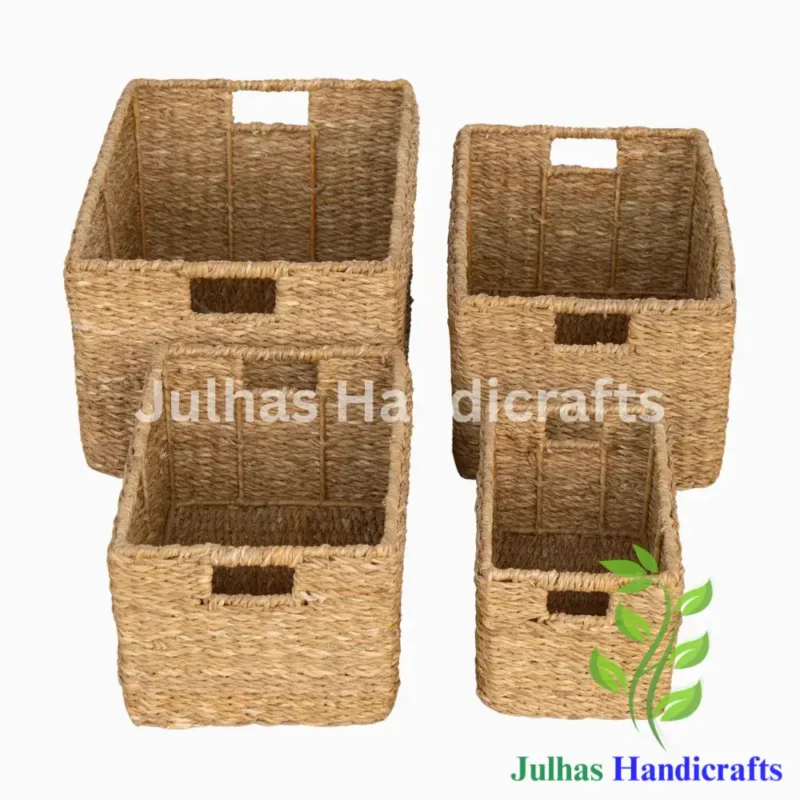
What Are Handicrafts?
Handicrafts are objects made by hand using simple tools. They are often made from natural materials like clay, wood, cotton, and jute. These crafts show the skills and creativity of people. In Bangladesh, handicrafts include:
- Pottery
- Weaving
- Embroidery
- Wood carving
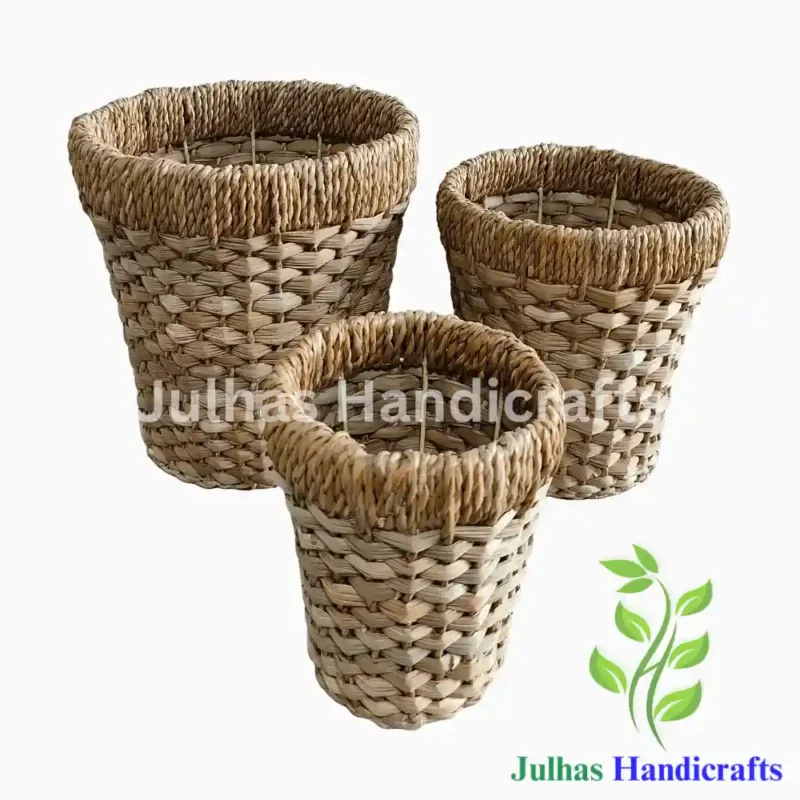
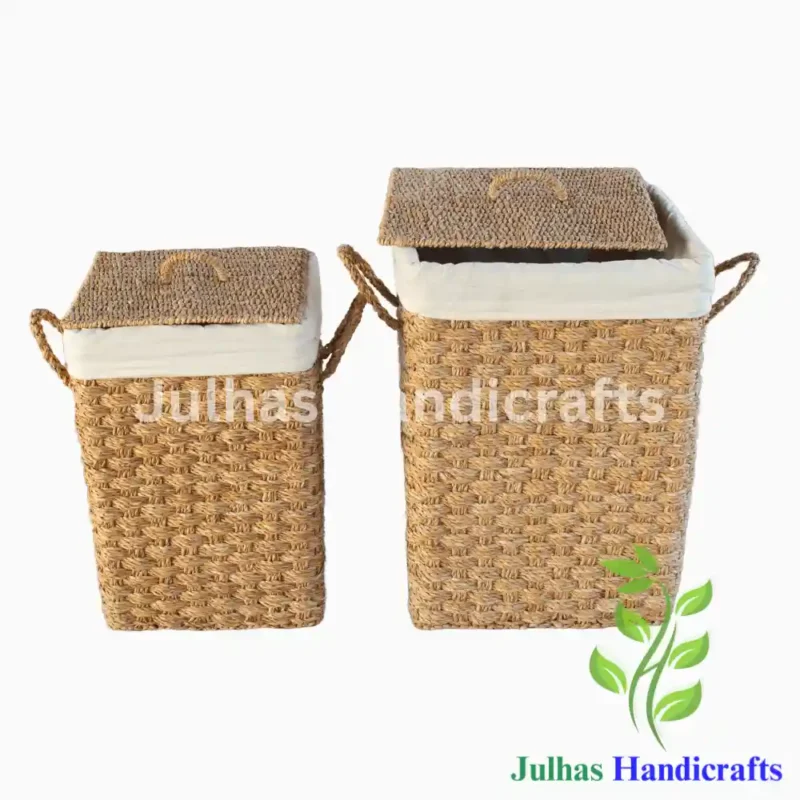
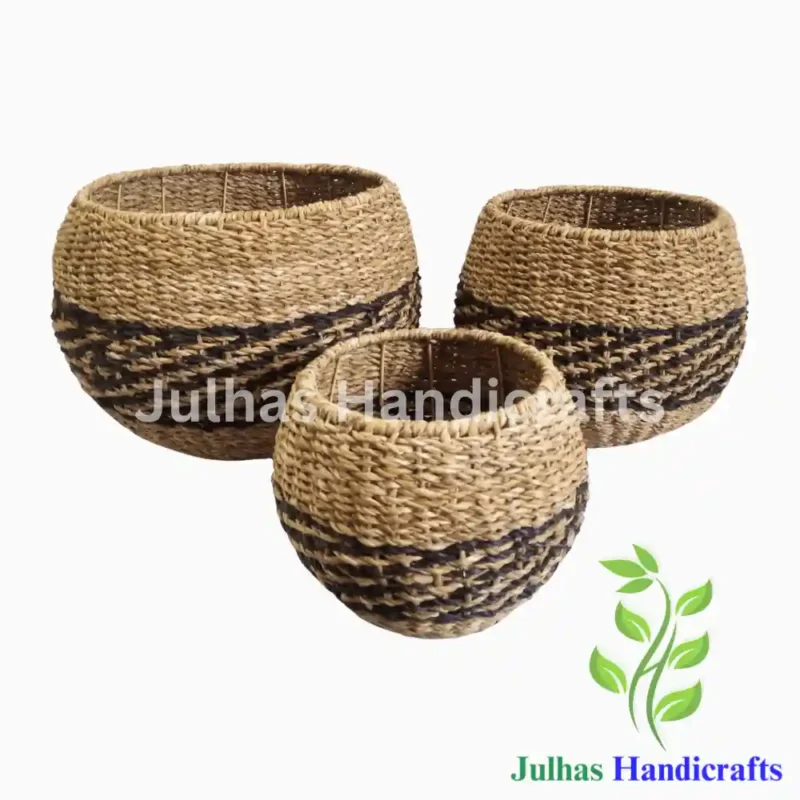
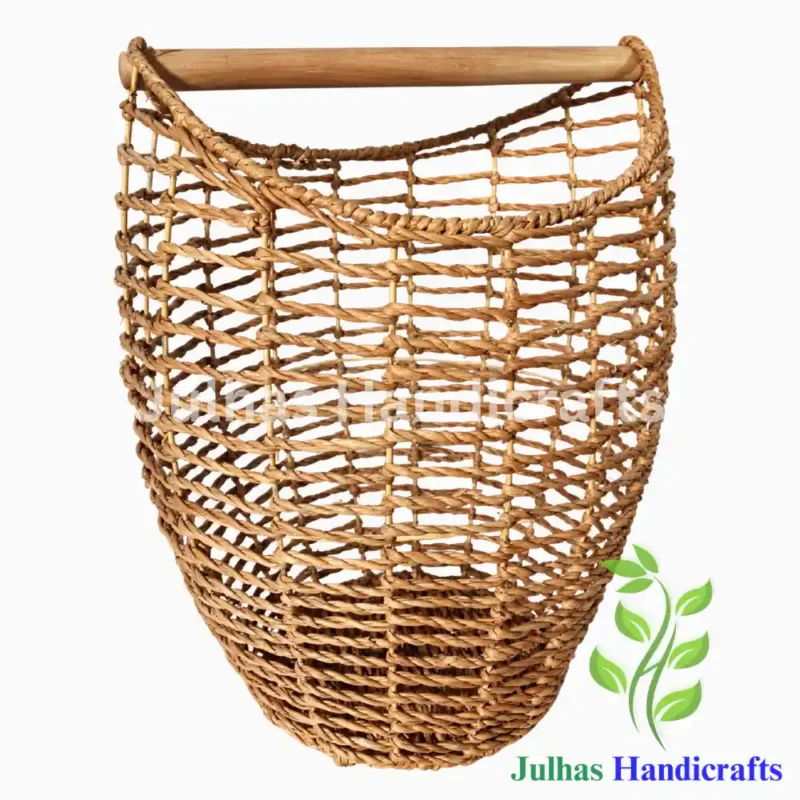
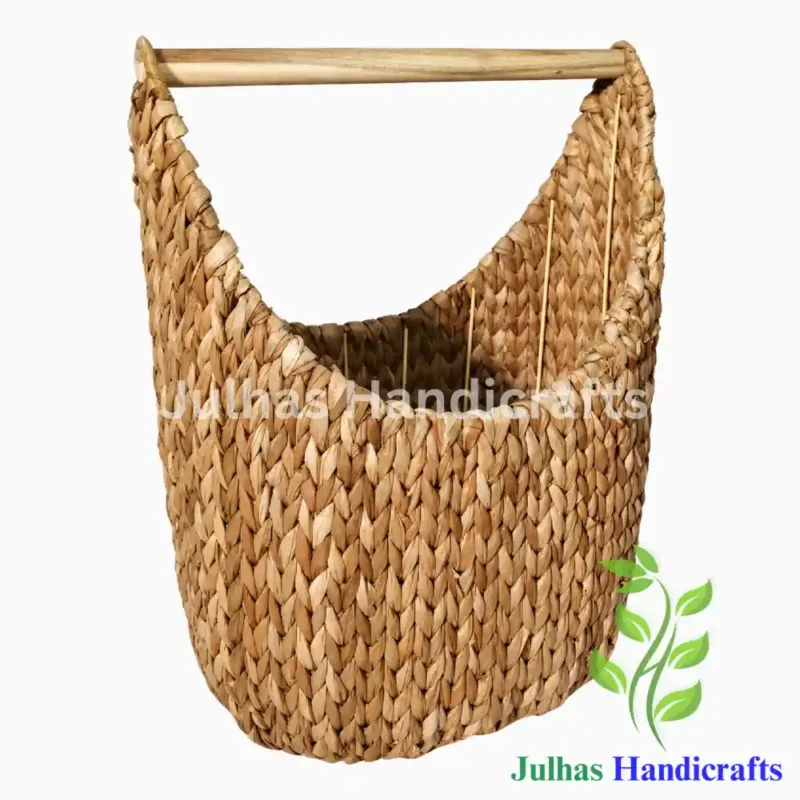
- Basket making
- Rugs and Placemats
Handicrafts are important for many reasons. They keep old traditions alive. They also create jobs and help people earn money.
Women Artisans: The Heart of Handicrafts
Women have been an essential part of handicraft making in Bangladesh for generations. These skills are often passed down from mothers to daughters and from grandmothers to grandchildren, creating a strong tradition rooted in family and culture. From a young age, many women learn weaving, stitching, basket making, embroidery, and other crafts, keeping these traditional techniques alive.
Most women artisans work from their homes, using simple tools and natural materials to create beautiful handmade products. This home-based work allows them to balance their household responsibilities while earning an income. Through handicrafts, women are able to contribute financially to their families, which increases their confidence and sense of independence.
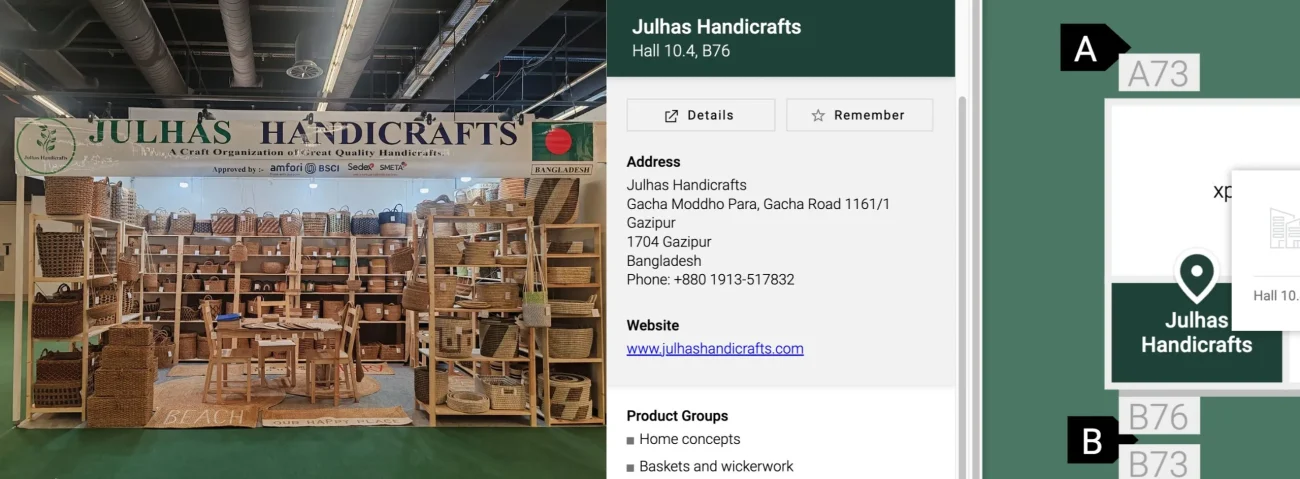
In rural areas, job opportunities for women are often limited. In this journey, Julhas Handicrafts plays a significant and positive role. Julhas Handicrafts creates safe, fair, and supportive work opportunities for women artisans. The organization works closely with women workers, allowing them to earn a stable income while working in a comfortable and respectful environment. Julhas Handicrafts also ensures proper facilities for women, including fair wages, safe working conditions, skill development opportunities, and respect for work–life balance.
The Skills Of Women Artisans
Women artisans in Bangladesh are very skilled. They use simple tools but make beautiful things. Their work shows patience and creativity. For example:
- In weaving, women create colorful fabrics with traditional patterns.
- In embroidery, they sew detailed designs on clothes.
- In pottery, they shape clay into useful pots and bowls.
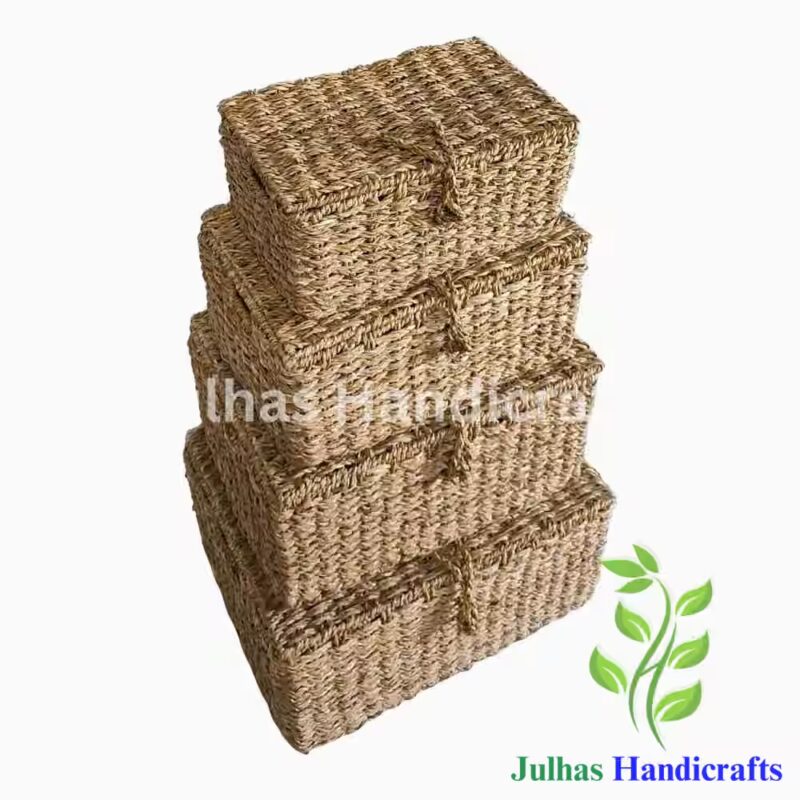
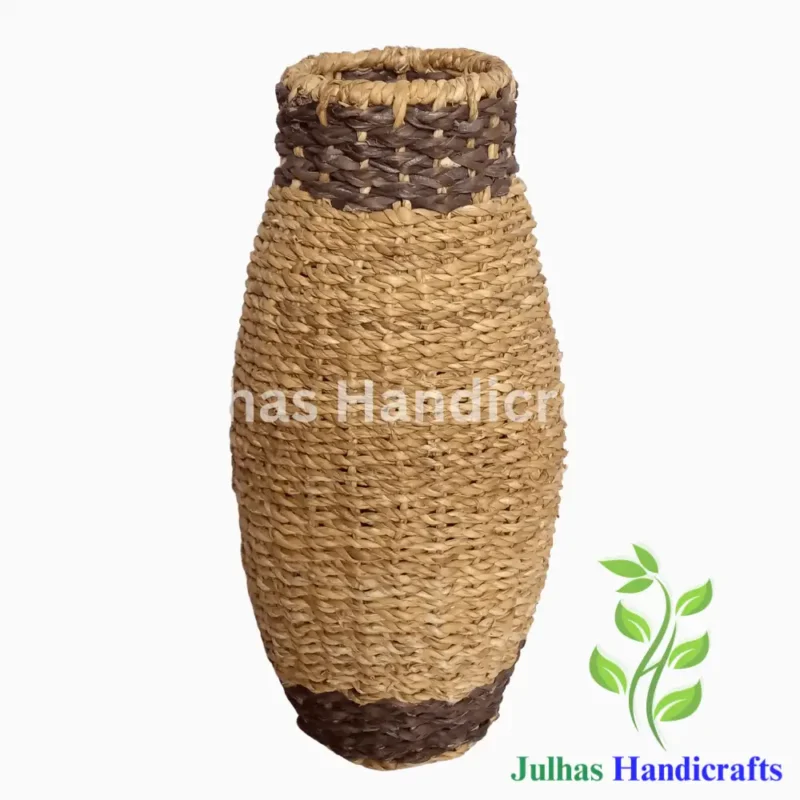
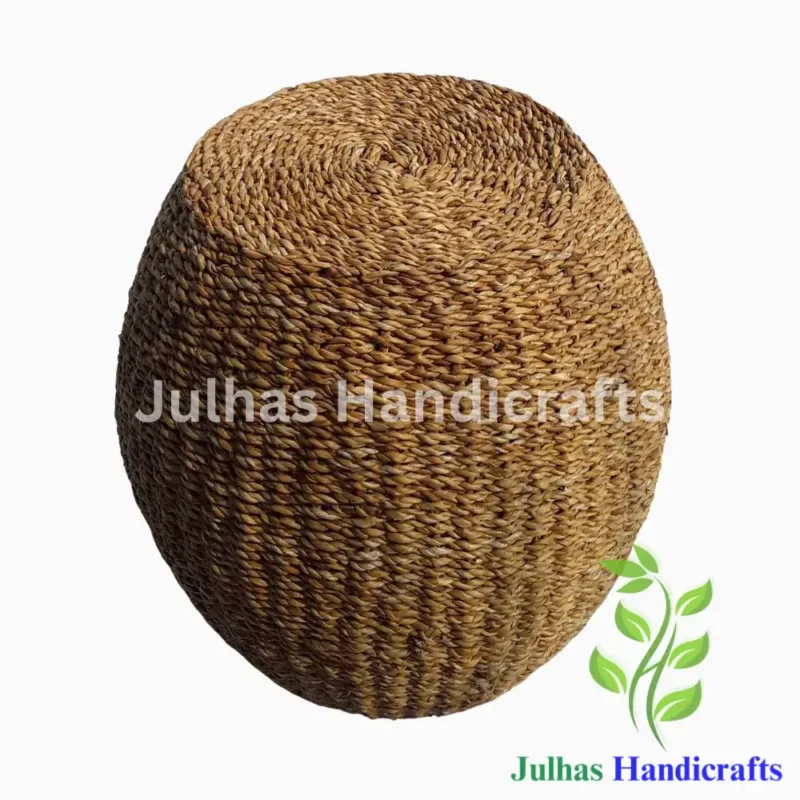
- In Natural Material like Seagrass Jute Plam Fiber they make handmade baskets, Placemats, Bags and many more.
These crafts are not only useful but also works of art. Many people around the world want to buy them.
The Role of Women in Handicraft Growth
Women artisans help grow the handicraft industry in many ways. Their work creates jobs for others too. When women make crafts, they often teach others. This keeps the skills alive for future generations.
Women also help spread the culture of Bangladesh through their crafts. Each piece tells a story about their life and traditions. This helps people inside and outside Bangladesh learn about the country.
Economic Impact Of Women’s Work
Handicrafts made by women bring money to their families and communities. This money helps pay for school, food, and healthcare. It also helps women feel proud and independent.
In many villages, the money from handicrafts is very important. It helps improve the whole community. When women earn money, they spend it on their children and home. This creates a better future for everyone.
The Future of Women Artisans and Handicrafts in Bangladesh
The future of women artisans and handicrafts in Bangladesh looks very promising. Today, many young girls are learning traditional handicraft skills from their families and communities, ensuring that these valuable traditions continue for future generations. This growing interest helps keep the art of handicraft making alive and strong.
Around the world, people are increasingly choosing handmade products because they appreciate cultural value, uniqueness, and the time and care involved in creating them. This rising demand creates more opportunities for women artisans to grow and succeed. In addition, technology is playing an important role in this progress. With access to mobile phones, social media, and online platforms, women artisans can now promote and sell their products beyond local markets. They are able to reach customers in distant cities and even international markets, opening new doors for income and empowerment.
How To Support Women Artisans
Anyone can help women artisans. Here are some ways:
- Buy handmade crafts directly from women artisans.
- Support organizations Julhas Handicrafts that help women artisans.
- Share stories about women artisans and their crafts.
- Encourage young people to learn handicraft skills.
When we support women artisans, we also support their families and communities.
Conclusion
Women artisans are the soul of handicrafts in Bangladesh. Their skills keep old traditions alive. They help their families and communities through their work.
The handicraft sector grows because of these women. Though challenges exist, many efforts support them. The future of handicrafts in Bangladesh depends on women artisans.
By valuing and supporting their work, we can help preserve a rich culture. We can also help women lead better lives. Handicrafts are not just products; they are stories told by women’s hands.