
Bangladesh Handicrafts — History, Products & Where to Buy Authentic Pieces

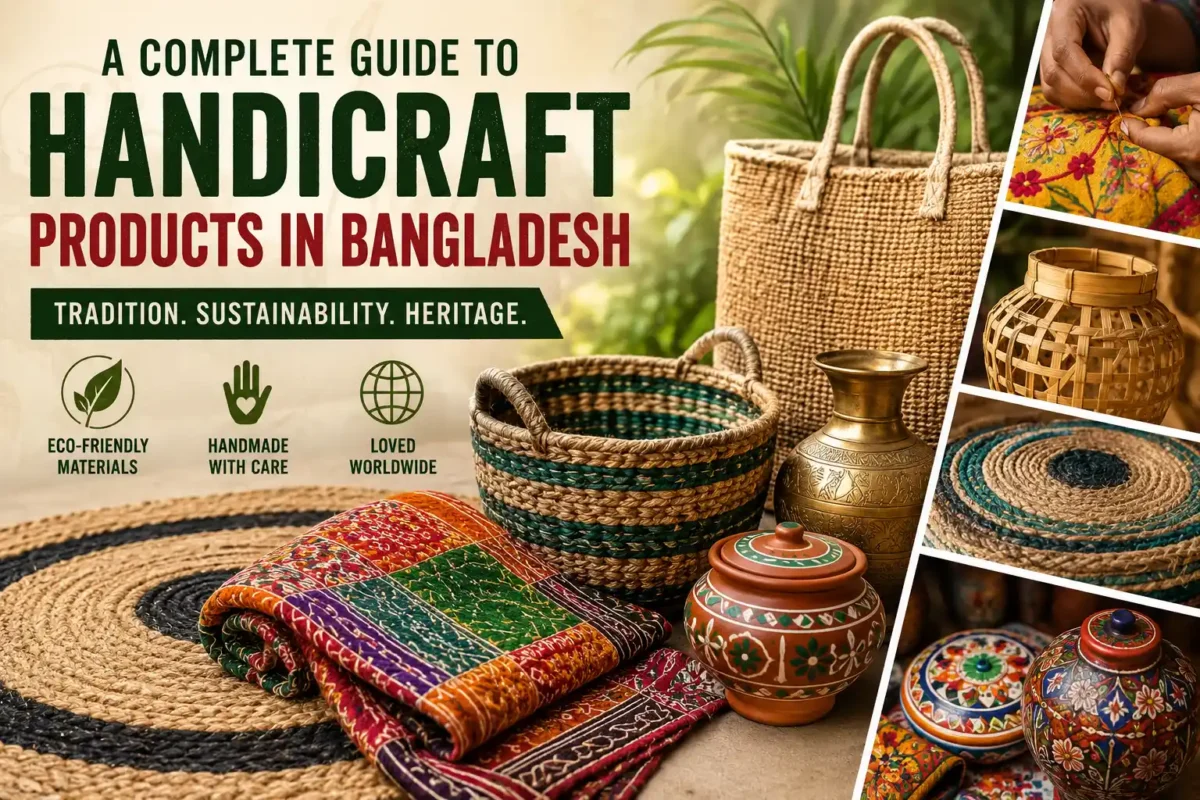
Walk through any market in Dhaka, Rajshahi, or Sylhet, and you’ll find something remarkable — ordinary hands turning raw jute, bamboo, and cane into objects of beauty. Bangladesh has been doing this for centuries. Long before factories and fast fashion, skilled artisans across the country were weaving, carving, and stitching goods that told the story of their land and their lives.
Today, handicraft products in Bangladesh represent not just a thriving industry but a living cultural heritage. Whether you’re a conscious shopper looking for sustainable home décor, a business owner sourcing unique products, or simply curious about what Bangladesh is famous for — this guide covers everything you need to know.
In this article, you’ll learn about the history behind Bangladeshi crafts, the most popular product categories, the materials used, where to buy authentic pieces, and how the industry is growing on the global stage.
A Brief History of Handicrafts in Bangladesh
The craft tradition of Bangladesh stretches back thousands of years, rooted in the Mughal era and even earlier. Muslin fabric from the Dhaka region was once considered the finest cloth in the world — so delicate it was nicknamed “woven air.” Merchants from Persia, Europe, and China traveled to Bengal specifically for its textiles and handcrafted goods.
Over time, the craft landscape expanded. River delta communities developed expertise in jute weaving and bamboo work. Hill tribes in Chittagong and Sylhet brought their own weaving patterns and wood carving traditions. Each region developed its own signature style, and those traditions are still alive today.
After independence in 1971, Bangladesh actively worked to preserve and promote its craft heritage. Government bodies, NGOs, and private enterprises joined hands to train artisans and open export channels — turning a cultural tradition into a growing economic force.
What Materials Are Craft Items in Bangladesh Made From?
One of the most common questions people ask is: what are the main materials used in Bangladeshi crafts? The answer says a lot about the country itself — a land of rivers, forests, and fertile plains. Here are the most widely used natural materials:
Jute — The Golden Fibre of Bangladesh
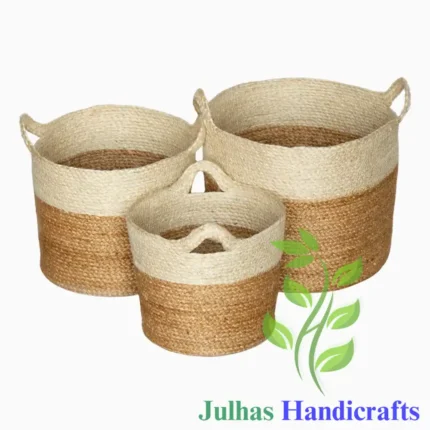
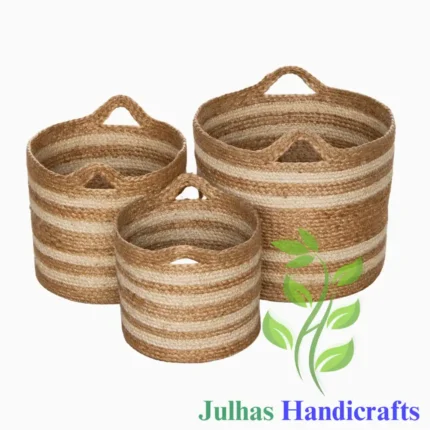
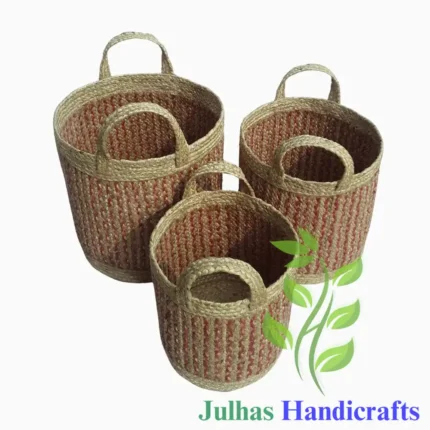
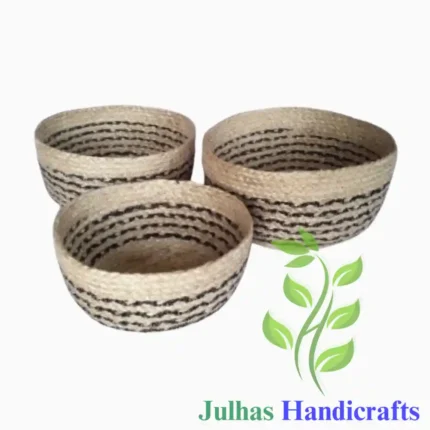
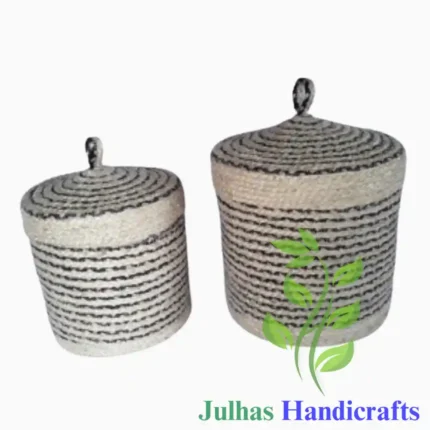
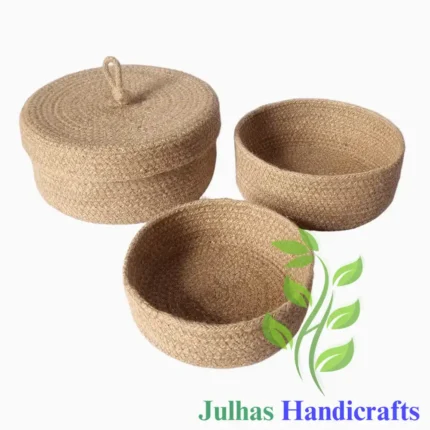
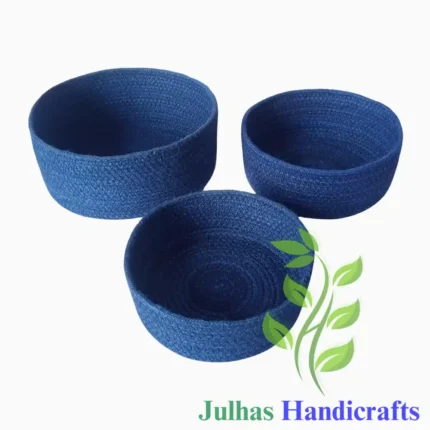
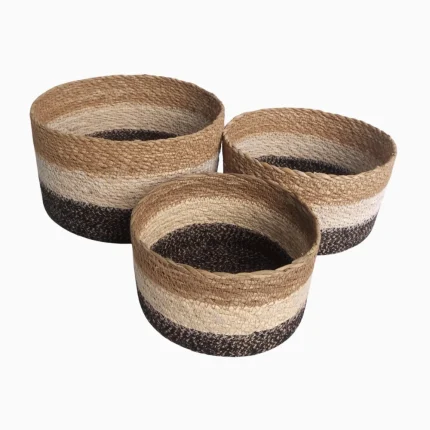
Bangladesh is one of the world’s largest jute producers, and this golden fibre finds its way into rugs, bags, wall hangings, baskets, and home décor items. Jute products are eco-friendly, biodegradable, and increasingly popular in global interior design markets. Jute home décor items from Bangladesh — especially jute rugs and table runners — are exported to Europe, North America, and Australia.
Products by Category
-

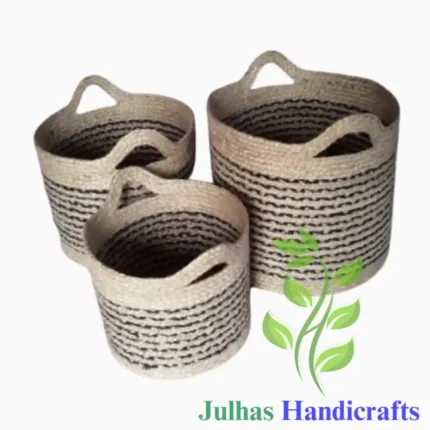
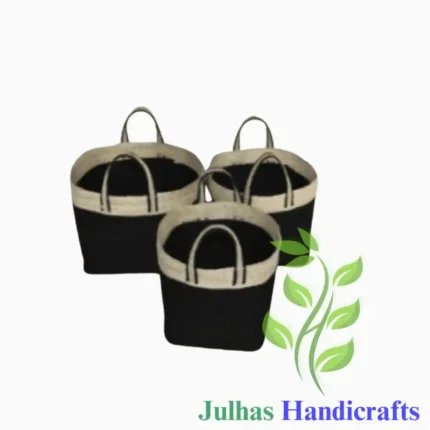
JUTE BRAIDED ROUND CYLINDER WITH HANDLE
-
JUTE BRAIDED ROUND CYLINDER WITH HANDLE
-
JUTE BRAIDED ROUND CYLINDER WITH HANDLE
-
JUTE BRAIDED ROUND CYLINDER WITH HANDLE
-
JUTE BRAIDED ROUND CYLINDER WITH HANDLE
-
JUTE BRAIDED ROUND FRUIT BASKET
-
JUTE BRAIDED ROUND POT WITH LID
-
JUTE DRAWSTRING ROUND BASKET
-
JUTE DRAWSTRING ROUND BASKET
Bamboo and Cane — Flexible, Durable, Timeless
Bamboo and cane grow abundantly across Bangladesh, making them the go-to materials for furniture, storage baskets, trays, and decorative panels. Artisans in Sylhet and Chittagong Hill Tracts are particularly known for their intricate cane and bamboo weaving. The resulting products are lightweight, strong, and carry an organic aesthetic that suits modern homes.
Seagrass — A Rising Export Star
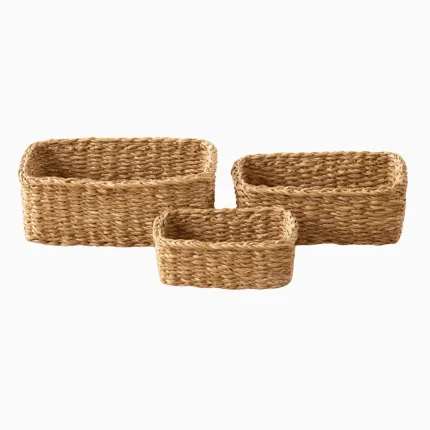
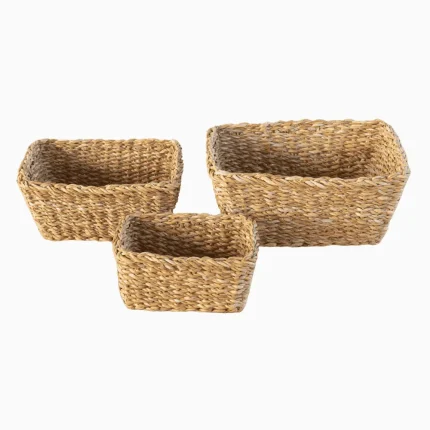
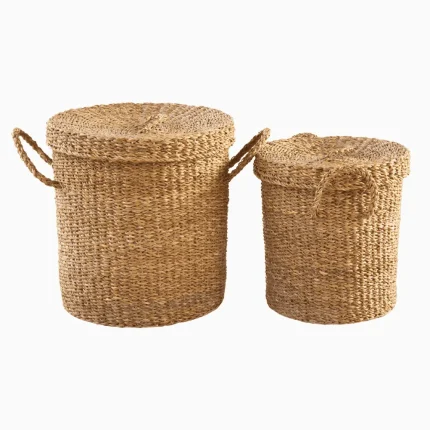
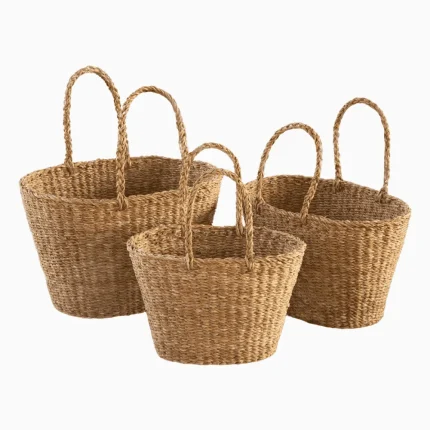
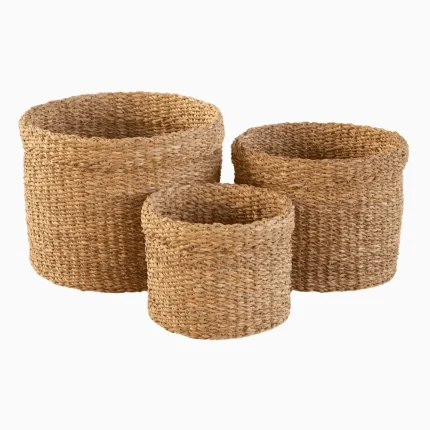
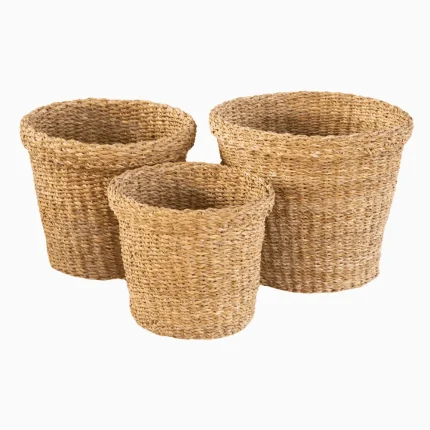
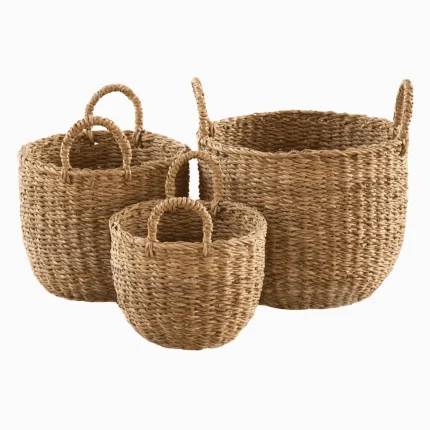
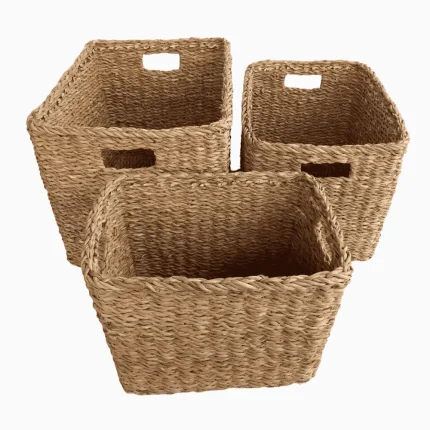
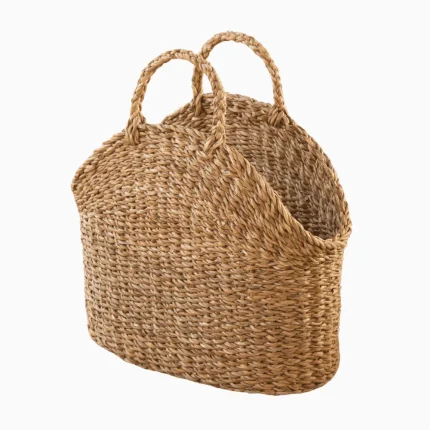
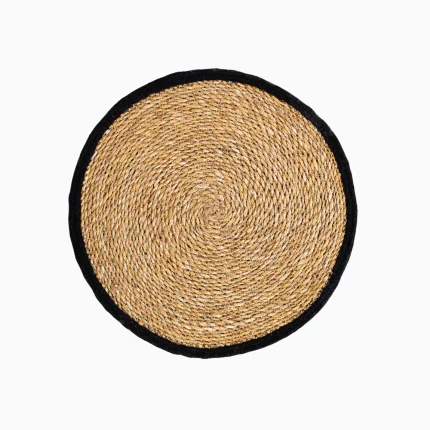
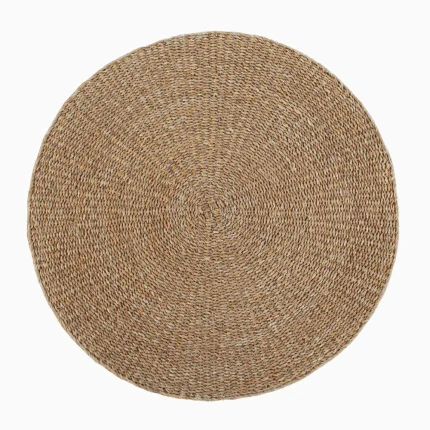
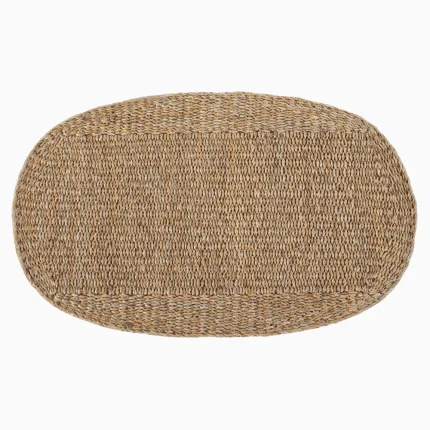
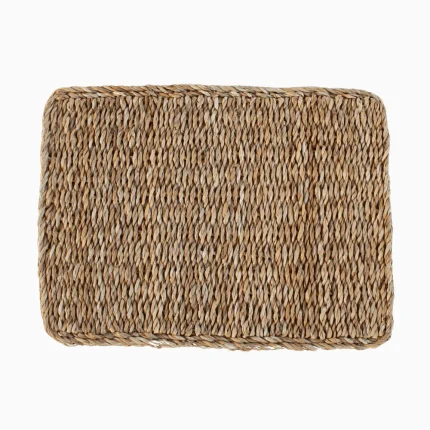
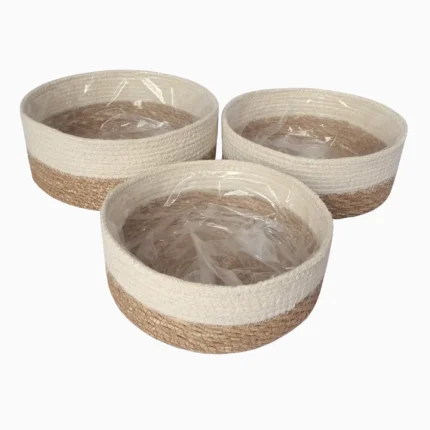
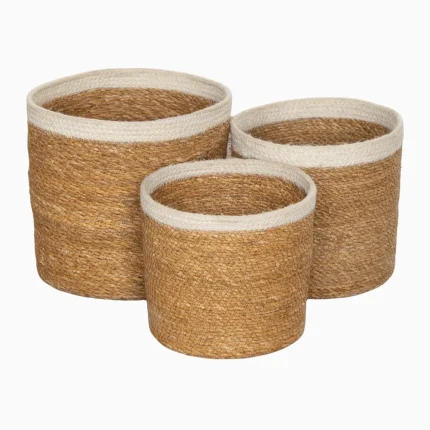
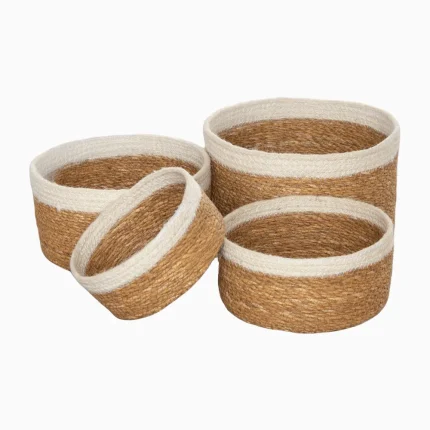
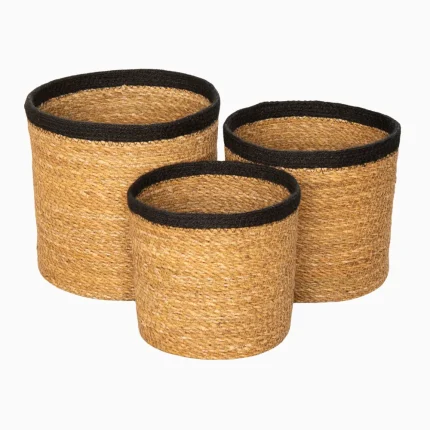
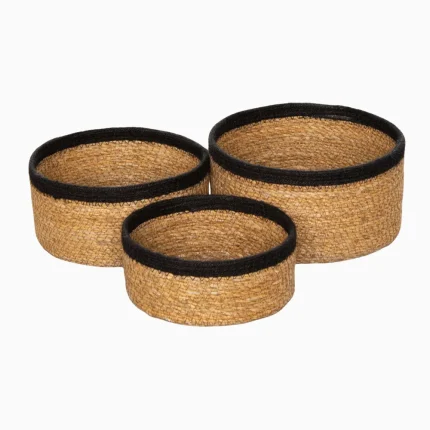
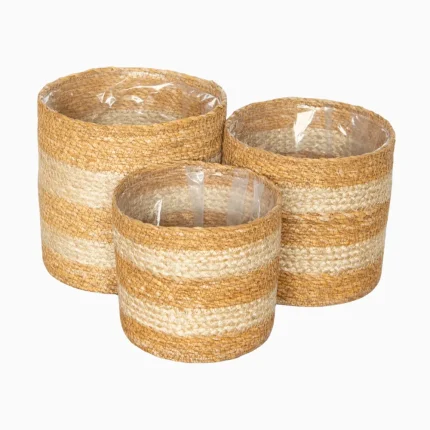
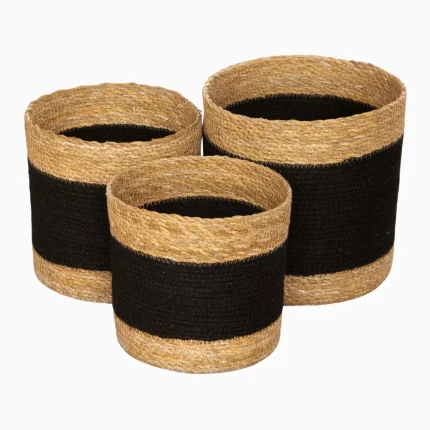
Seagrass is harvested from the coastal areas of Bangladesh and woven into baskets, placemats, and floor mats. It’s naturally water-resistant and has a distinctive texture that makes seagrass products highly sought after in premium home décor markets. Bangladesh has become a significant seagrass exporter, particularly to European retailers.
Products by Category
Nakshi Kantha Fabric, Clay, and Wood
Beyond the main natural fibres, Bangladeshi artisans work with hand-painted clay pottery, carved wood, brass and bell metal, and the iconic Nakshi Kantha — embroidered quilts featuring traditional folk motifs. These pieces are genuinely one-of-a-kind and carry deep cultural significance.
Most Popular Handicraft Products in Bangladesh
The range of handicraft products in Bangladesh is genuinely impressive. Here’s a look at the categories that attract the most attention from buyers at home and abroad:
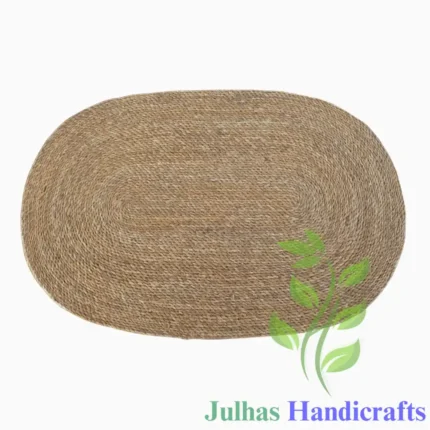
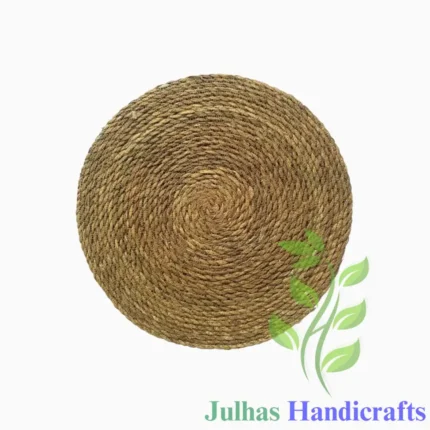
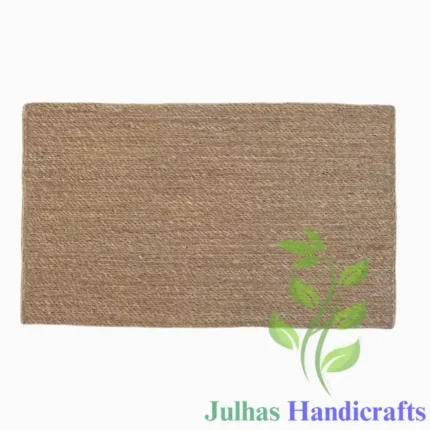
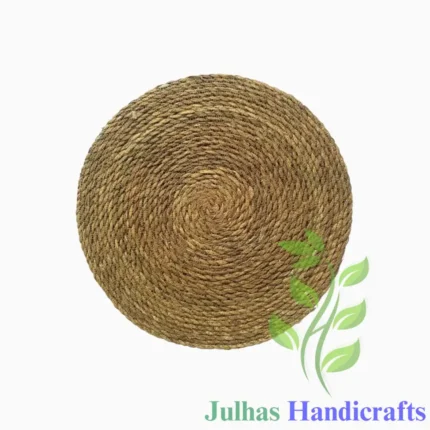
- Jute Rugs and Floor Mats: A staple of the Bangladeshi export market. Available in dozens of weave styles and sizes, these rugs are durable and fully natural. They’re especially popular in Scandinavian and Western home décor styles.
Products by Category
- Bamboo and Cane Baskets: Storage baskets and decorative bowls made from bamboo and cane are among the most exported craft items. They work beautifully as fruit bowls, laundry organizers, or display pieces.
- Nakshi Kantha Quilts: Hand-stitched with intricate patterns inspired by nature and folk life, Nakshi Kantha is arguably the most iconic traditional handicraft of Bangladesh. Each piece takes weeks to complete.
- Brass and Bell Metal Items: Artisans in Bikrampur and Dhamrai produce some of the finest brass work in South Asia — decorative pots, figurines, lamps, and ceremonial items.
- Seagrass and Water Hyacinth Products: From storage boxes to pet baskets, water hyacinth and seagrass products are a fast-growing category due to rising global demand for sustainable alternatives to plastic.
Products by Category
- Pottery and Terracotta: Rajshahi and Jessore are known for their painted clay pottery, including vases, cups, and decorative tiles featuring traditional Bangladeshi motifs.
Why Bangladeshi Crafts Are Going Global
The global handicrafts market is expanding rapidly. According to Grand View Research, the market is projected to see strong CAGR growth through 2030, driven by rising consumer interest in sustainable, handmade goods. Bangladesh is well-positioned to benefit from this shift.
Several factors give Bangladeshi crafts a competitive edge in international markets:
- Natural, eco-friendly materials that appeal to sustainability-conscious buyers
- Skilled artisans with generations of craft knowledge passed down through families
- Competitive pricing compared to similar products from India, Vietnam, or Indonesia
- A growing number of manufacturers and exporters with international certifications
- Strong government and NGO support for artisan training and market access
Companies like Aarong, Karuponnyo, and several Dhaka-based handicraft exporters have already built strong reputations in European, American, and Japanese markets. The number of artisans in Bangladesh involved in the craft sector runs into the hundreds of thousands, with many based in rural communities where craft work is the primary source of income.
Where to Buy Authentic Bangladeshi Handicrafts
Whether you’re shopping locally or from abroad, there are several reliable ways to find genuine handicraft products in Bangladesh.
Shopping in Bangladesh
If you’re visiting Bangladesh, the best places to find authentic crafts include:
- Aarong (multiple locations in Dhaka) — the country’s most recognized fair-trade craft brand
- Sonargaon Folk Art Museum — a historic site with a craft village and market nearby
- Rajshahi Silk Industry and local weavers in Tangail for textiles
Buying Bangladeshi Handicrafts Online
The online market for Bangladeshi crafts has grown significantly. You can now find authentic pieces through:
- Aarong’s official website (aarong.com) — ships internationally
- Etsy — many Bangladeshi artisans and small brands sell handmade crafts directly
- Amazon — select Bangladeshi handicraft manufacturers list wholesale and retail products
- Dedicated B2B platforms like Alibaba — useful for sourcing jute, seagrass, and cane products in bulk
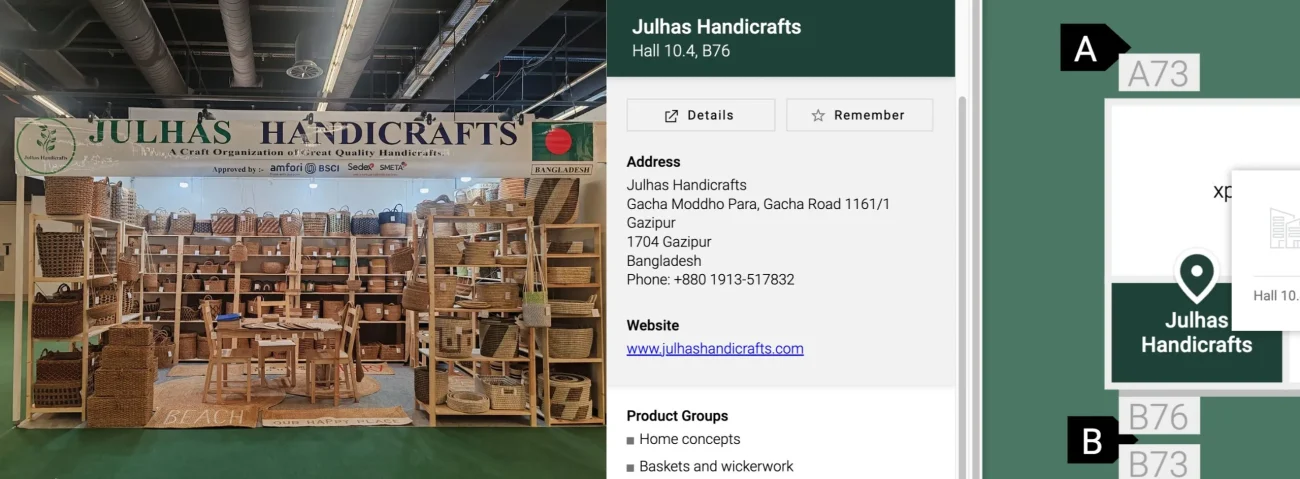
- Julhas Handicrafts (julhashandicrafts.com.bd) — a Bangladesh-based manufacturer and exporter of natural handicraft products including jute rugs and seagrass items
Best Souvenirs from Bangladesh: What to Bring Home
If you’re visiting Bangladesh and wondering what to bring back, handicrafts make the most meaningful and practical souvenirs. They’re lightweight (mostly), culturally significant, and genuinely useful back home. Here are the best picks:
- A Nakshi Kantha: A hand-embroidered quilt or wall hanging. Compact sizes are easy to pack and tell a real story.
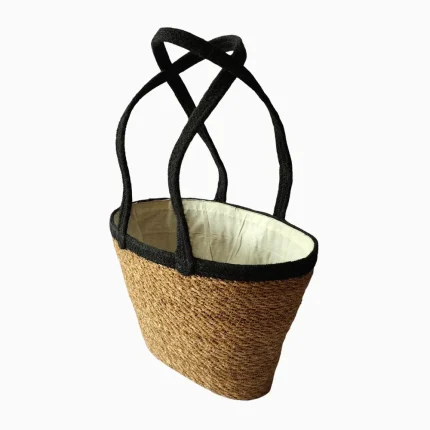
- Jute tote or basket: Durable, stylish, and eco-friendly. Great for grocery shopping or as a gift.
- Brass figurines or pots: Small decorative brass items from Dhamrai or Bikrampur are unique and typically affordable.
- Handwoven Jamdani scarf or shawl: Jamdani is a UNESCO-recognized weaving tradition — a scarf makes an elegant, culturally rich gift.
- Painted clay items: Small terracotta pots or tiles decorated with folk art are easy to pack and widely available in craft markets.
Frequently Asked Questions
What is Bangladesh famous for in terms of handicrafts?
Bangladesh is most famous for jute products, Nakshi Kantha embroidered quilts, Jamdani textiles (a UNESCO Intangible Cultural Heritage), bamboo and cane crafts, and brass and bell metal work. Jute remains the signature export — Bangladesh is one of the world’s leading producers and exporters of jute-based handicraft products.
How many artisans are involved in handicrafts in Bangladesh?
Estimates suggest that over 3 million people in Bangladesh are involved in the handicraft sector in some capacity, though exact figures vary by source. A significant proportion are women in rural areas for whom craft work provides primary or supplementary income. The sector is supported by government programs, NGOs like BRAC, and private enterprises.
Are Bangladeshi handicrafts eco-friendly?
Yes — most traditional handicraft products in Bangladesh are made from natural, biodegradable materials: jute, bamboo, cane, seagrass, water hyacinth, and clay. This makes them genuinely sustainable alternatives to plastic or synthetic home goods. For buyers focused on eco-conscious shopping, Bangladeshi crafts are an excellent choice.
Can I order Bangladeshi handicrafts online and ship internationally?
Absolutely. Several Bangladeshi handicraft brands and manufacturers ship internationally, including Aarong, and various exporters listed on B2B platforms. If you’re a retailer or interior designer looking to source in volume, companies like Julhas Handicrafts work directly with international buyers and offer custom product development in jute, seagrass, and natural fibre categories.
What is the difference between a handicraft and a handcraft?
In common usage, “handicraft” and “handcraft” mean the same thing — objects made by hand using traditional skills rather than machines. “Handicraft” is the more widely used and formally recognized term in trade, policy, and academia. Both terms refer to the same category of handmade goods.
Conclusion: A Living Craft Tradition Worth Celebrating
Bangladesh’s handicraft tradition is one of its most enduring treasures. From the golden strands of jute woven into rugs and bags, to the intricate stitchwork of Nakshi Kantha, to the sleek natural geometry of a seagrass basket — every piece carries the knowledge and care of skilled artisans.
For buyers, these aren’t just products — they’re stories. For the artisans who make them, they’re a livelihood and a legacy. And for Bangladesh as a country, handicrafts represent a growing opportunity to share its culture with the world on its own terms.
Whether you’re shopping for your home, sourcing products for your business, or simply curious about Bangladeshi crafts, now is a great time to explore. Authentic, sustainable, and beautifully made — Bangladeshi handicraft products deserve a place in every thoughtful home.